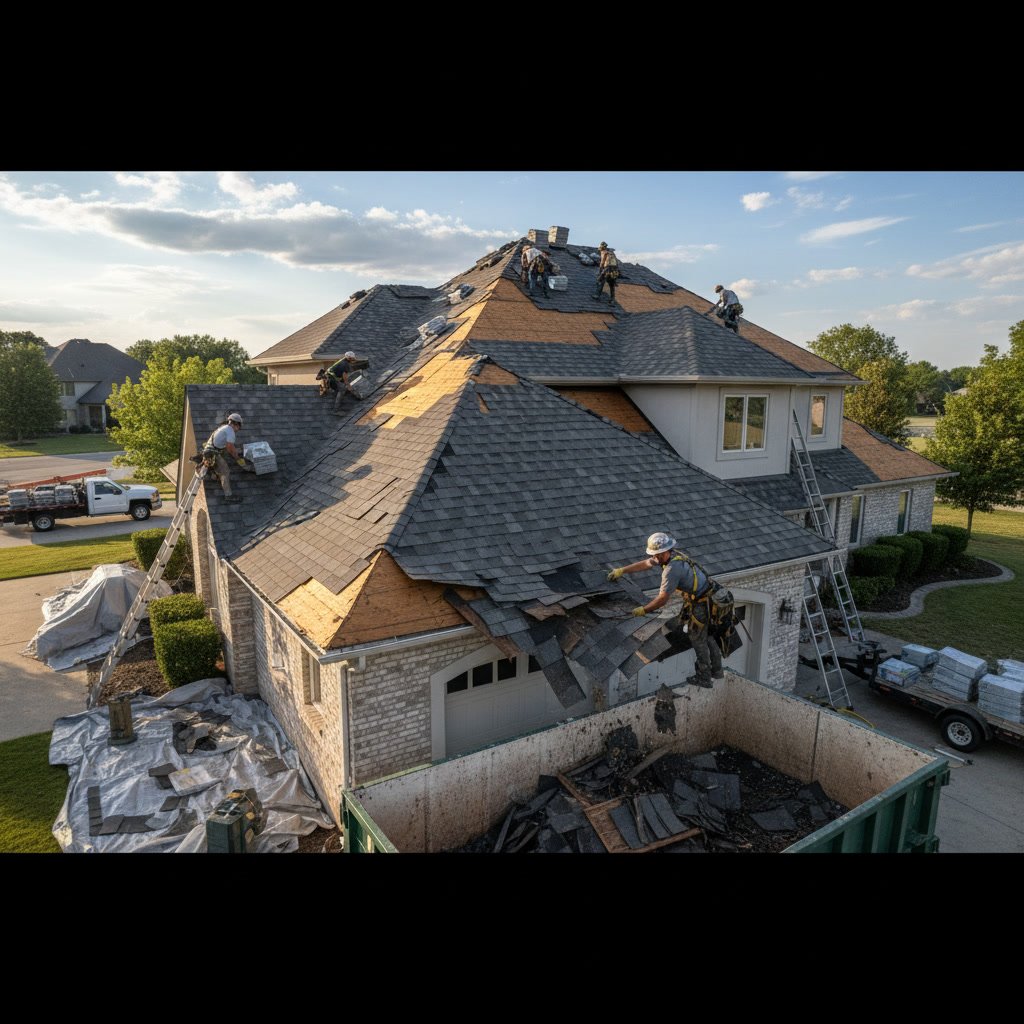
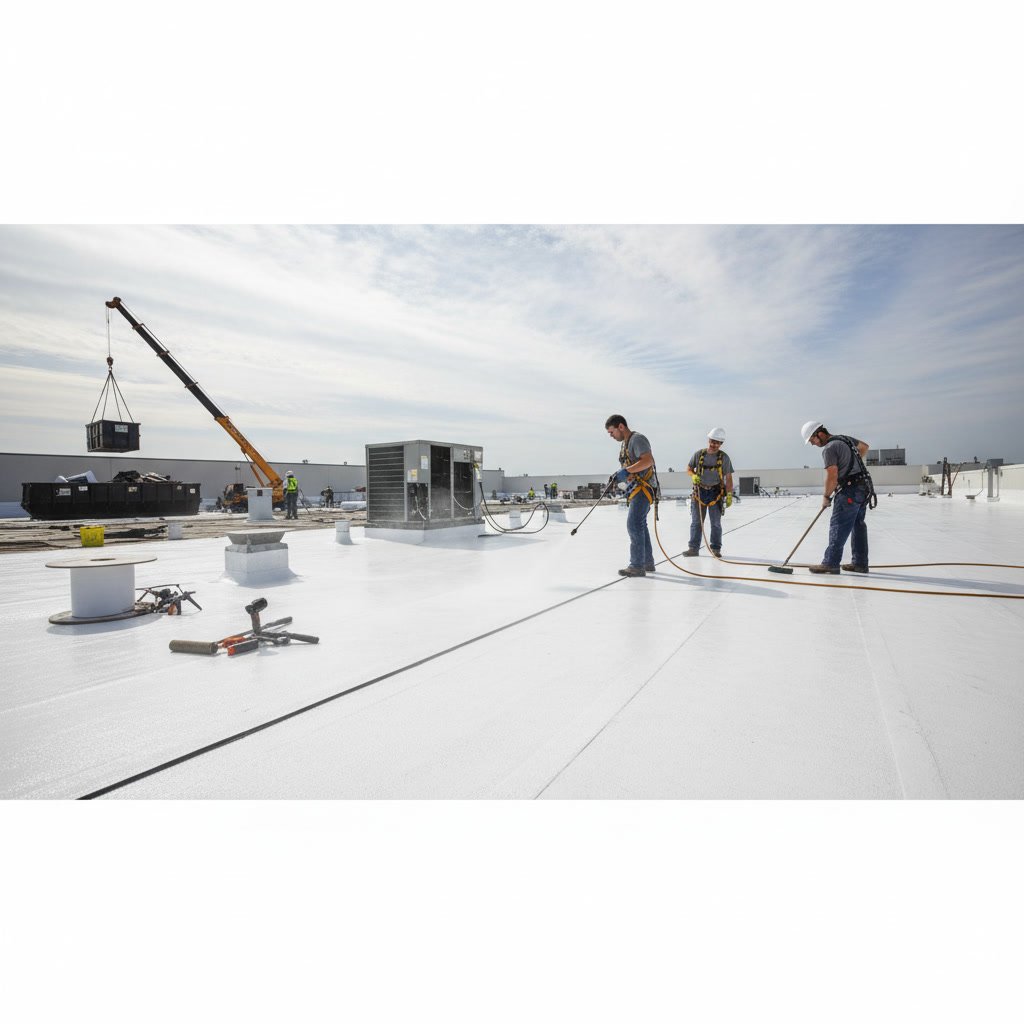
Annual TPO roofing maintenance involves regular inspections, cleaning debris, checking seams and flashings, clearing drainage systems, and documenting roof conditions to extend the membrane’s lifespan and prevent water damage. Building owners who schedule these tasks proactively can avoid emergency repairs, reduce long-term costs, and protect their investment for 20 to 30 years or more.
Thermoplastic polyolefin membranes have become the standard for flat and low-slope commercial buildings across the Midwest. Their heat-welded seams, UV resistance, and energy efficiency make them a reliable choice, but even the toughest roofing systems need consistent care. Neglecting routine tasks can lead to ponding water, membrane deterioration, and leaks that compromise your building’s interior.
Why Annual Inspections Matter for Flat Roofs
Commercial roofs face constant exposure to temperature swings, wind, rain, snow, and ice. Annual inspections catch small issues before they escalate into expensive problems. A trained professional can identify early signs of membrane shrinkage, punctures, or loose seams that might not be visible from the ground.
Inspections also ensure warranty compliance. Many manufacturers require documented annual assessments to maintain coverage, and skipping them can void protection just when you need it most. Building owners who prioritize inspections save money and extend the functional life of their roof by five to ten years on average.
Cleaning Debris and Removing Roof Obstructions
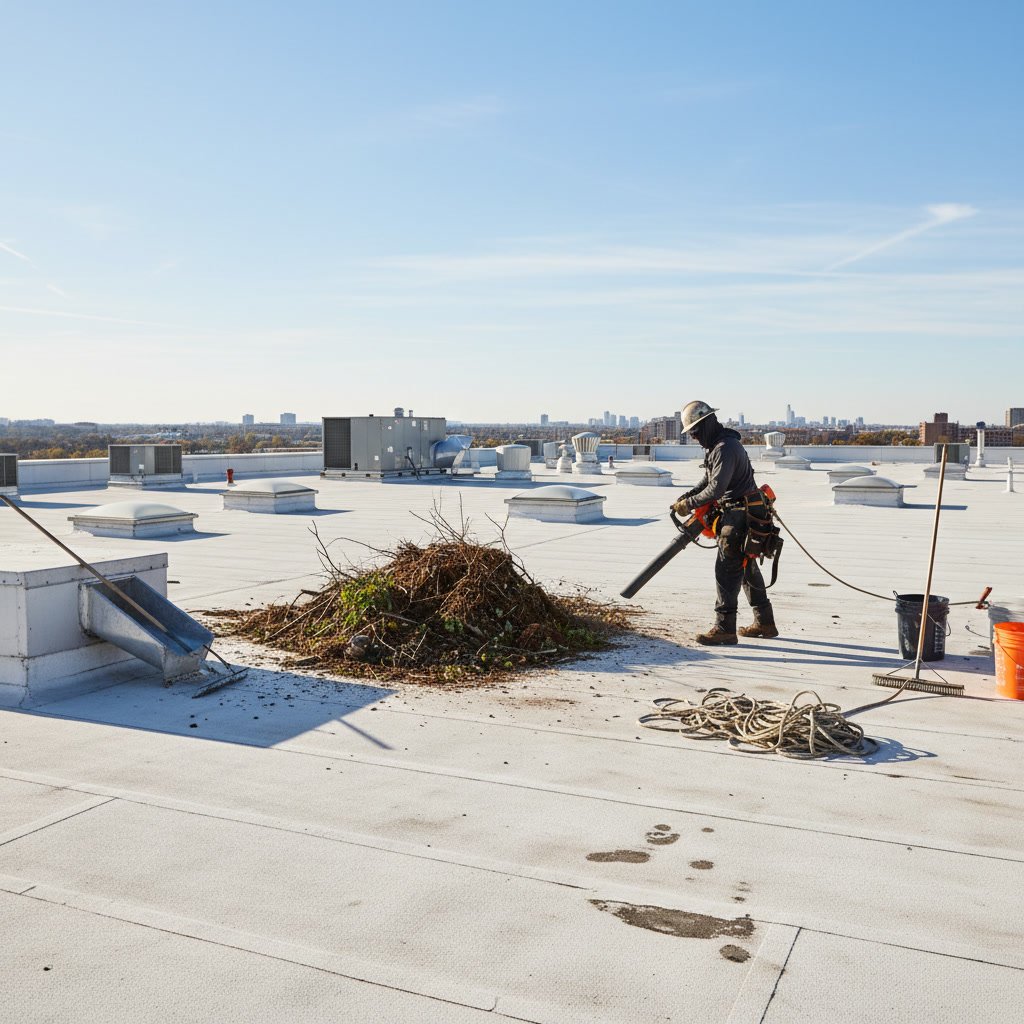
Leaves, branches, dirt, and other debris accumulate on flat roofs faster than most property managers expect. Left unchecked, organic material traps moisture against the membrane, accelerating wear and promoting algae or mold growth. Clearing debris twice per year, or after major storms, keeps the surface dry and reduces the risk of punctures.
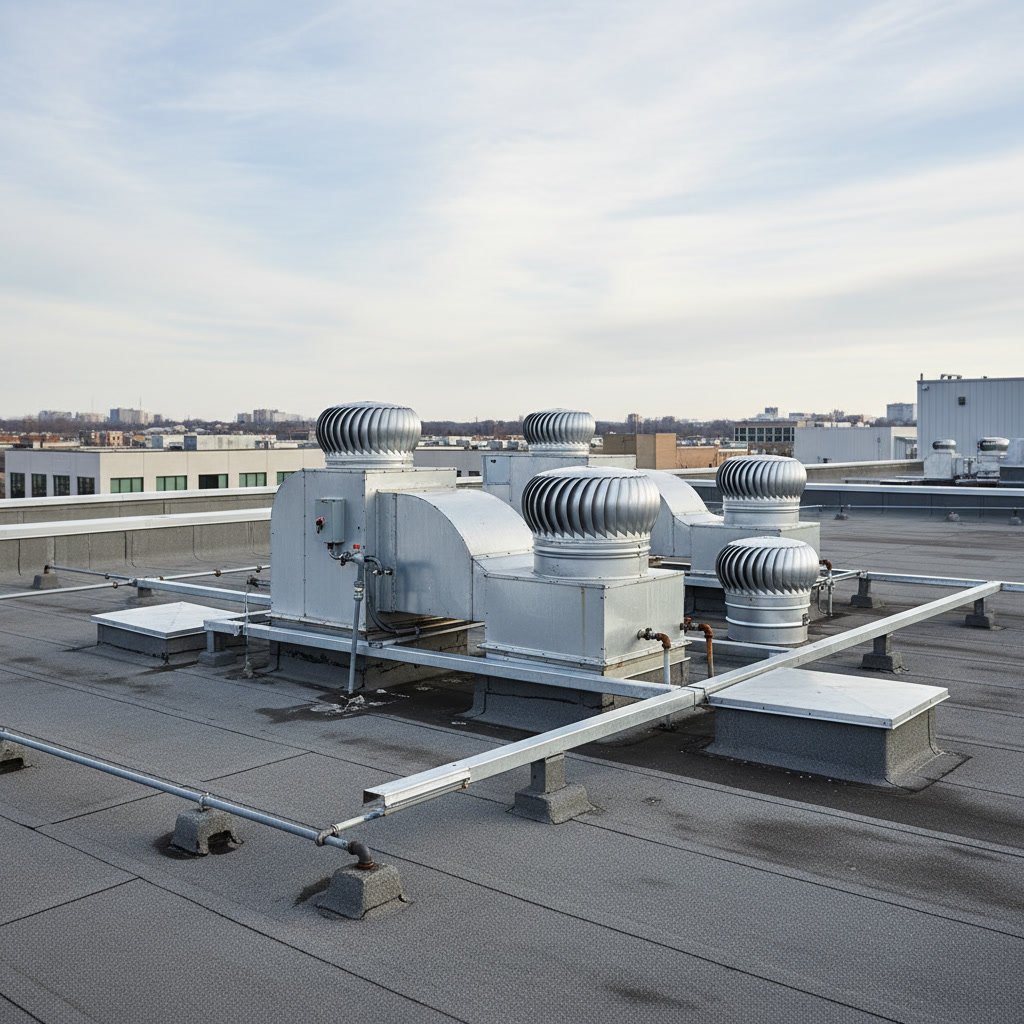
Pay special attention to areas around HVAC units, vents, and skylights. These spots collect windblown trash and can harbor standing water. A clean roof surface also makes it easier to spot damage during inspections and ensures proper water flow toward drains and scuppers.
Seam Integrity and Heat-Welded Joint Checks
The seams are the most critical part of any thermoplastic membrane system. Heat-welded joints create watertight bonds, but thermal cycling, foot traffic, and UV exposure can stress these areas over time. During your annual review, inspect every seam for separation, gaps, or blistering.
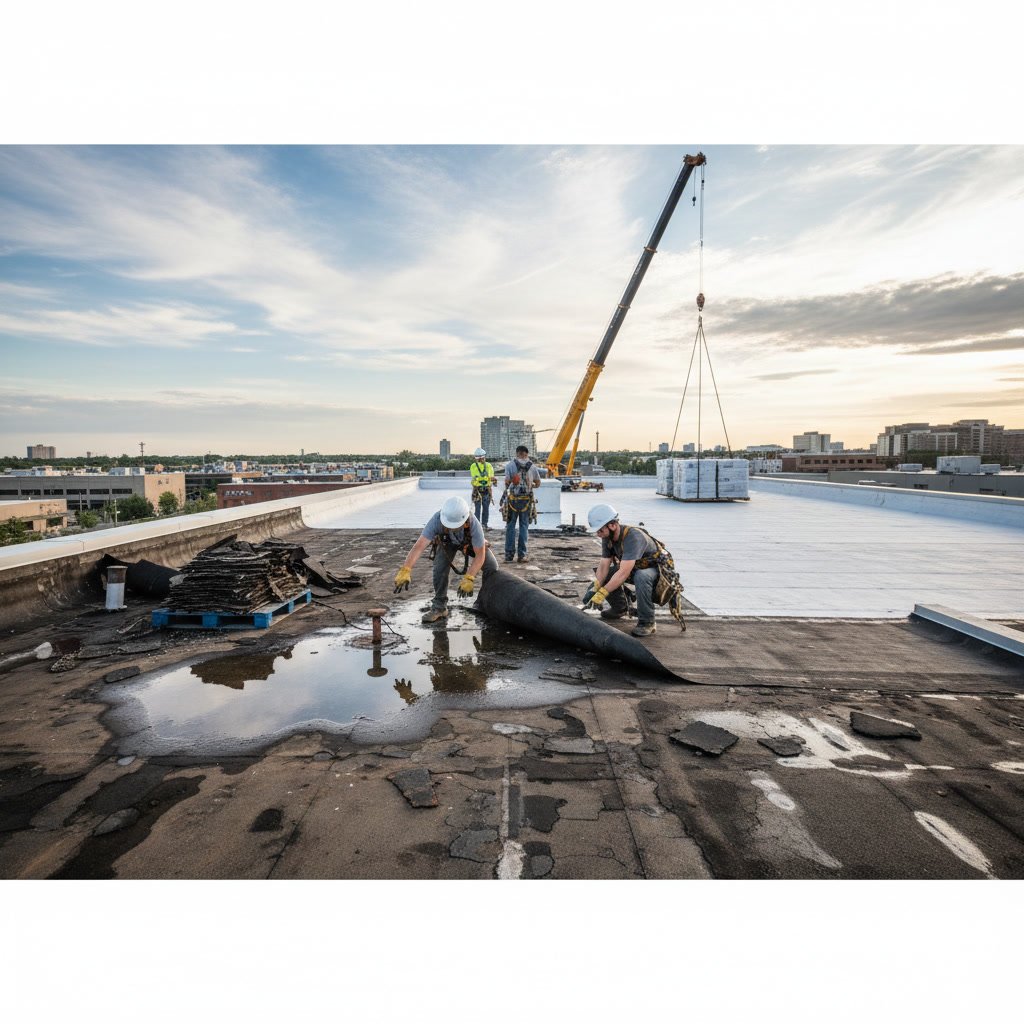
Use a blunt probe to gently test seam edges. If you can lift the membrane or detect soft spots, professional repair is needed. Catching a failing seam early might mean a simple patch, while waiting can require a full section replacement or even premature roof replacement.
Flashing and Penetration Points
Flashings around chimneys, vent pipes, parapet walls, and rooftop equipment are common leak points. Check that all flashings remain secure, with no gaps or lifted edges. Sealants and adhesives can degrade faster than the membrane itself, especially in areas exposed to direct sunlight.
Look for cracking, peeling, or hardening of caulk and mastic. Metal flashings should sit flat against the membrane with no rust or corrosion. If you notice water stains on interior ceilings near roof penetrations, schedule a professional inspection immediately. Many building owners wait too long, only to discover extensive damage that could have been avoided with a simple flashing repair.
Drainage System Performance in Kettering and Surrounding Areas
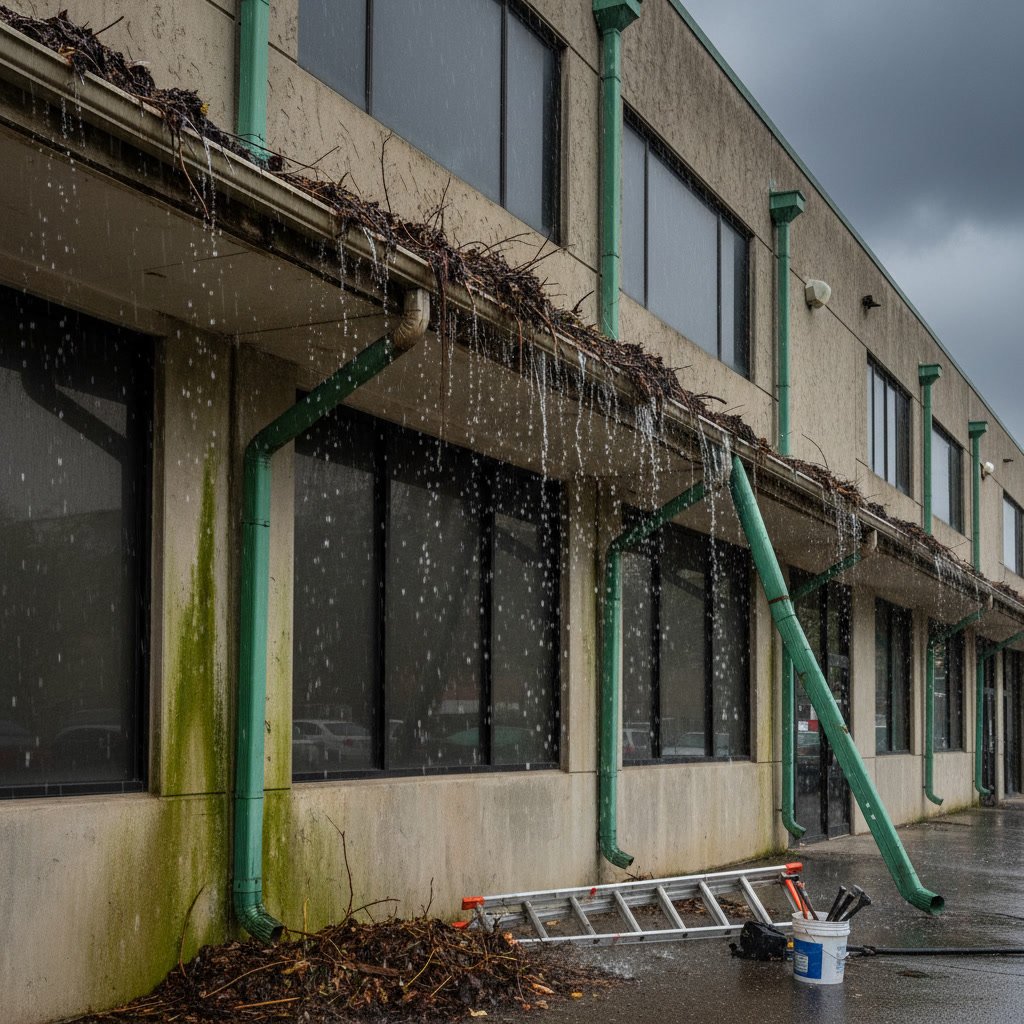
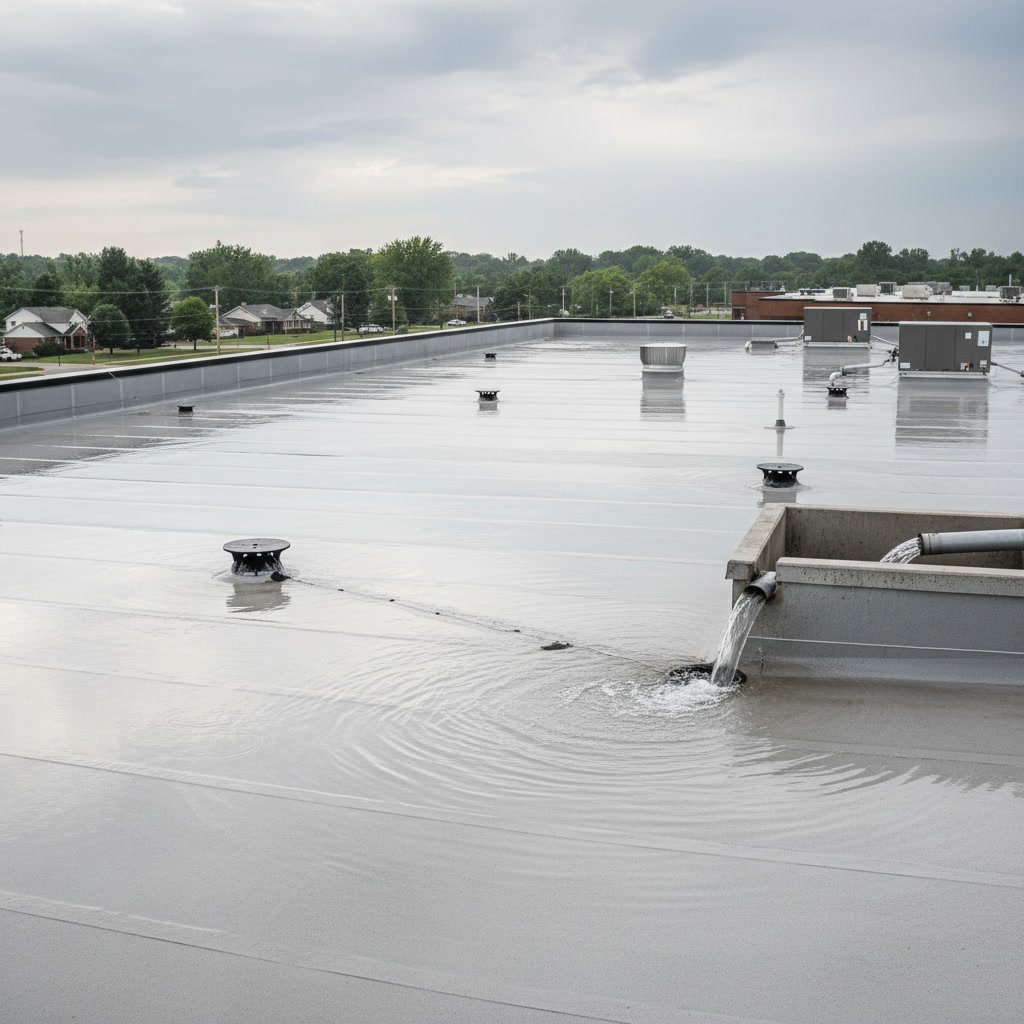
Proper drainage is the foundation of a long-lasting flat roof. In Kettering and throughout the Dayton region, seasonal rainfall and snowmelt demand clear, functional drains and gutters. Clogged drains create ponding water, which stresses the membrane and shortens its lifespan.
Test each drain, scupper, and downspout at least once per year. Remove leaves, sediment, and debris from drain baskets and strainers. Check that water flows freely and that gutters channel runoff away from the building foundation. If you notice slow drainage or persistent puddles more than 48 hours after rain, consult a commercial roofing specialist to assess slope and drainage design.
Surface Condition and Membrane Wear Patterns
Walk the roof surface carefully, noting any changes in color, texture, or flexibility. TPO membranes typically remain white or light gray, so discoloration can signal dirt buildup, algae growth, or chemical exposure. Look for bubbles, wrinkles, or soft spots that indicate trapped moisture or adhesive failure beneath the surface.
High-traffic areas near HVAC units or access hatches often show accelerated wear. Consider installing walkway pads in these zones to protect the membrane from scuffing and punctures. Document wear patterns with photos each year to track progression and plan for eventual repairs or resurfacing.
Step-by-Step Annual Maintenance Checklist
Building owners benefit from a structured approach to yearly care. Follow these steps to ensure thorough coverage:
- Schedule inspections in spring and fall to catch storm damage and prepare for seasonal extremes.
- Clear all debris from the roof surface, drains, and gutters.
- Inspect seams, flashings, and penetrations for gaps, cracks, or separation.
- Test drainage by running water through drains and observing flow.
- Check for ponding water 48 hours after rain and mark problem areas.
- Document findings with photos and written notes for warranty and records.
- Address minor repairs immediately to prevent escalation.
- Review maintenance logs to identify recurring issues or trends.
Consistency is key. Building owners who follow this checklist annually report fewer emergency calls and lower overall repair costs compared to those who wait for visible leaks. If you are uncertain about any step, a qualified TPO installer can perform the inspection and provide a detailed report.
When to Call a Professional for Repairs
Not every issue requires expert intervention, but knowing when to call for help saves time and money. Contact a roofing professional if you find punctures larger than a quarter, seam separations longer than six inches, or multiple areas of membrane blistering. Interior water stains, even small ones, warrant immediate attention.
Professional technicians have specialized tools and training to perform heat-welded seam repairs that match the original installation. Attempting DIY fixes with incompatible sealants or tapes often creates bigger problems and can void manufacturer warranties. For guidance on whether your situation calls for a simple fix or something more extensive, read our post on how to know when your roof needs repair versus full replacement.
Documentation and Warranty Compliance
Keep detailed records of every inspection, repair, and maintenance activity. Many manufacturers require proof of annual care to honor warranty claims. Create a dedicated file with dated photos, contractor invoices, and written summaries of work performed.
Digital records stored in the cloud offer easy access and backup protection. If you ever need to file a warranty claim or sell the property, organized documentation demonstrates responsible ownership and can increase resale value. Building owners who maintain thorough records also find it easier to budget for future work and track the roof’s overall performance over time.
Protecting Your Investment for Decades
A well-maintained thermoplastic membrane can deliver 25 to 30 years of reliable service, but only if building owners commit to consistent care. Annual tasks take a few hours and cost a fraction of what you would spend on premature replacement. The key is treating your roof as a long-term asset, not an out-of-sight, out-of-mind component.
Regular attention also improves energy efficiency. Clean, reflective membranes reduce cooling costs in summer by reflecting sunlight rather than absorbing heat. Addressing drainage issues prevents ice dams in winter, protecting both the roof and the building’s interior. Property owners who invest in maintenance enjoy lower utility bills, fewer tenant complaints, and a stronger bottom line.
Keeping Your Commercial Roof in Peak Condition
Annual upkeep protects your building, preserves warranty coverage, and extends the life of your investment. By inspecting seams, clearing debris, maintaining drainage, and documenting conditions, you prevent small issues from becoming costly emergencies. Building owners who make these tasks a priority enjoy decades of reliable performance and peace of mind.
Eco Roofing has helped property owners across the Dayton area maintain and repair commercial roofing systems for years. Our team understands the unique demands of Ohio weather and the importance of proactive care. If your building needs an inspection, roof repair, or a detailed maintenance plan, reach out to our crew at 937-6072141 for a free estimate and expert guidance tailored to your property.