Property owners often assume that a roof is simply a roof, but commercial roofing systems differ dramatically from residential roofs in design, materials, installation methods, and maintenance requirements. Whether you manage a retail building, an office complex, a warehouse, or an apartment property, understanding these differences helps you choose the right contractor, budget appropriately, and maintain your investment for decades to come.
The distinction between commercial and residential roofing goes far beyond building size. From the slope of the roof deck to the materials used and the skill sets required for installation, these two categories represent entirely different specializations within the roofing industry.
What Defines Commercial Roofing?
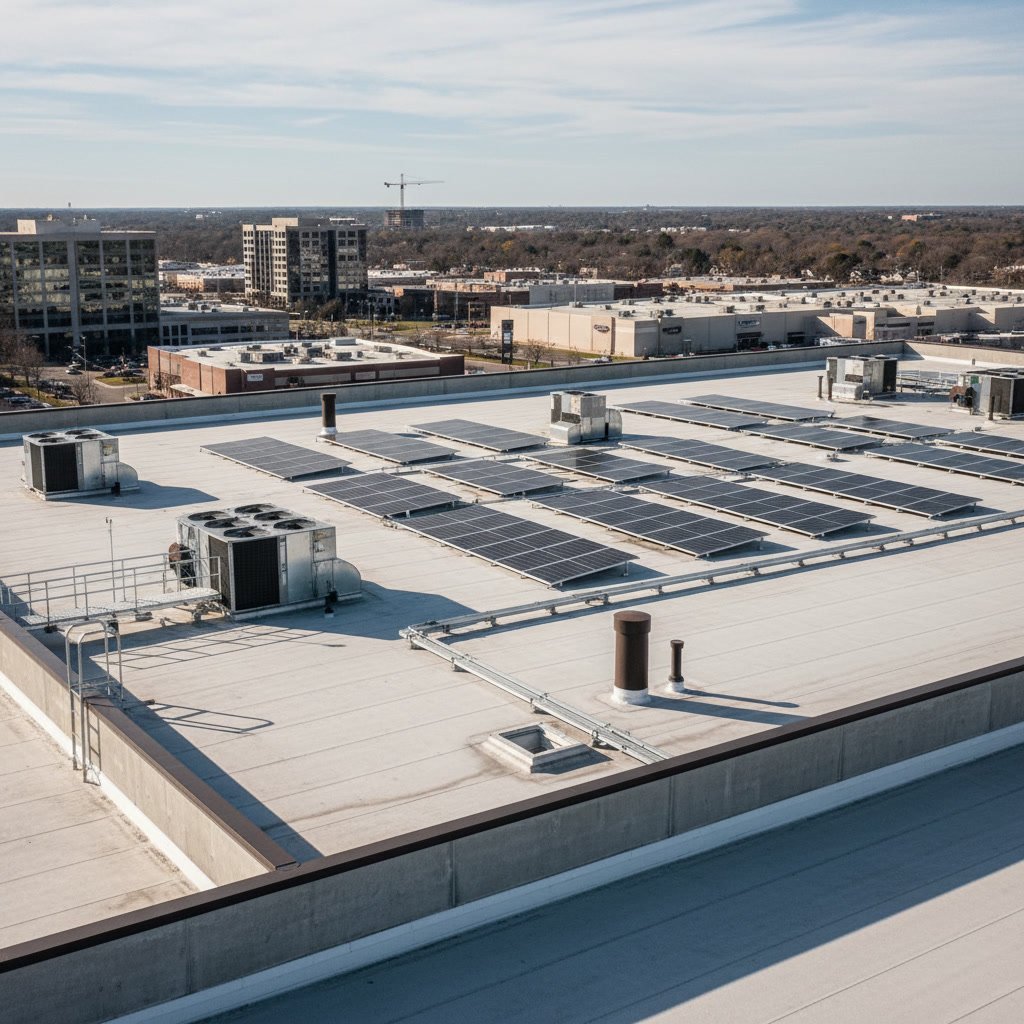
Commercial roofing refers to roofing systems installed on business properties, multi-family residential buildings with more than three units, industrial facilities, and other non-single-family structures. These roofs typically feature low slopes or flat surfaces, cover significantly larger square footage, and must meet stricter building codes than standard residential installations.
The primary purpose of a commercial roofing system extends beyond weather protection. These roofs often support HVAC equipment, satellite dishes, solar panels, and ventilation systems. They must accommodate foot traffic for maintenance crews and comply with commercial building codes that address fire resistance, wind uplift ratings, and energy efficiency standards.
Most commercial roofs use membrane systems, built-up roofing, modified bitumen, or single-ply materials like TPO, PVC, or EPDM rubber. These materials perform differently than the asphalt shingles or metal panels common on homes.
Key Structural Differences Between Commercial and Residential Roofs
Slope and Design
The most obvious difference is roof slope. Residential roofs typically feature steep pitches, often between 4:12 and 12:12, which allows water and snow to shed naturally. This steep slope provides attic space and creates the traditional peaked roofline most homeowners recognize.
Commercial buildings usually have low-slope or flat roofs, typically ranging from 0.25:12 to 3:12. This design maximizes usable interior space, reduces material costs per square foot, and provides accessible surfaces for mechanical equipment. However, flat roofs require different drainage solutions and waterproofing strategies because water pools rather than runs off.
Size and Scale
Commercial roofs cover substantially more square footage than residential installations. A typical home might have 1,500 to 3,000 square feet of roof area. Commercial properties regularly exceed 10,000 square feet, with many warehouse and retail facilities spanning 50,000 square feet or more.
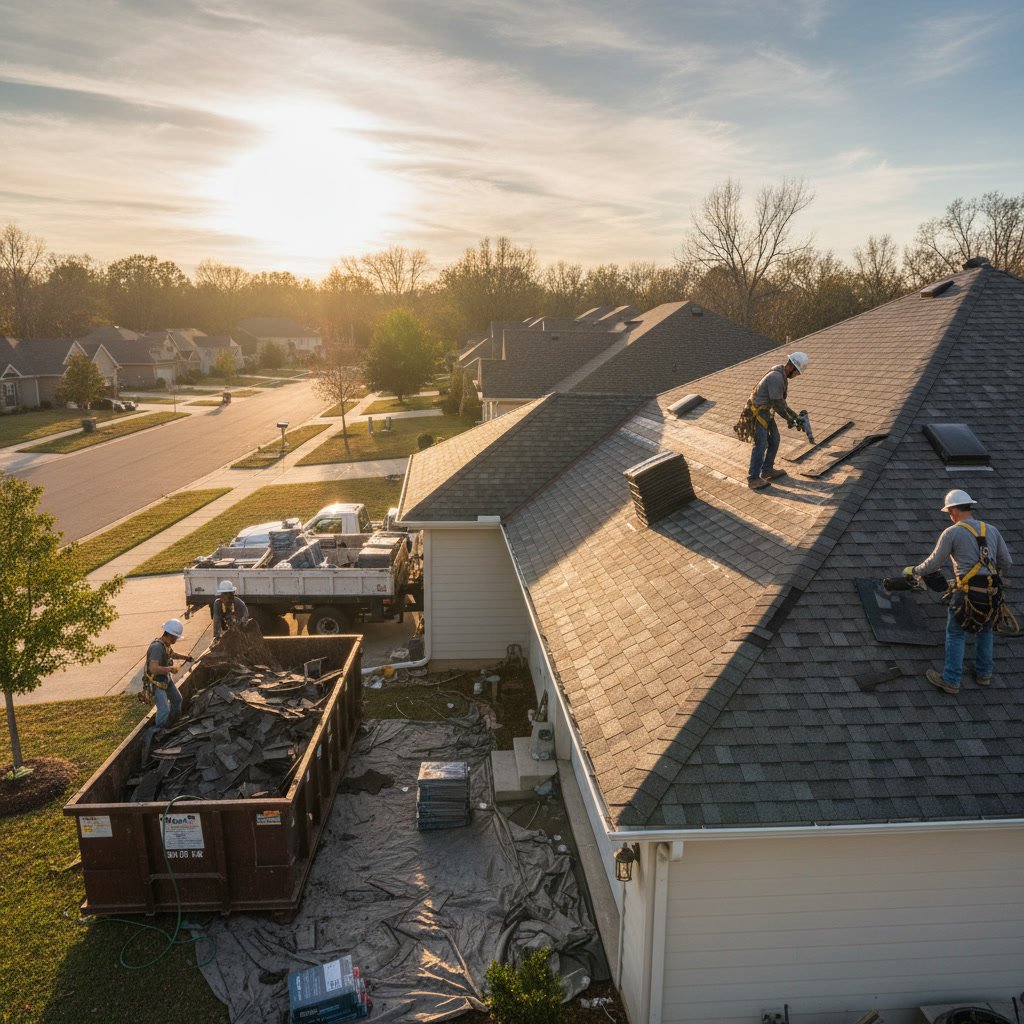
This size difference affects everything from material selection to installation timeline to crew size. A residential roof might take two to five days to complete, while a commercial project can require weeks or months of work.
Load-Bearing Requirements
Commercial roofs must support heavy equipment that residential roofs never encounter. Rooftop HVAC units for large buildings can weigh several thousand pounds each. Communication equipment, exhaust systems, and increasingly, solar panel arrays add significant weight that the structural system must accommodate.
Building codes require commercial roofs to meet higher load standards for both dead loads (permanent equipment) and live loads (snow, maintenance workers, temporary equipment). This demands stronger structural decking and support systems than typical residential construction.
Material Differences in Commercial vs Residential Roofing
The materials used on commercial and residential roofs differ primarily due to slope, size, and performance requirements. Understanding these distinctions helps explain why commercial roofing contractors need specialized expertise.
Common Commercial Roofing Materials
Single-ply membranes dominate the commercial market. TPO (thermoplastic polyolefin) and PVC (polyvinyl chloride) membranes offer excellent durability, reflectivity, and resistance to chemicals and punctures. These materials come in large rolls that installers heat-weld together, creating seamless, watertight surfaces ideal for flat or low-slope applications.
EPDM rubber roofing provides another popular commercial option, especially for buildings that do not require high foot traffic. Built-up roofing (BUR) systems layer tar and gravel to create extremely durable surfaces that last 30 years or more when properly maintained.
Modified bitumen combines asphalt with rubber or plastic modifiers, then comes in rolls that workers torch-apply or adhere with cold adhesives. This material works particularly well in climates with extreme temperature swings, making it a solid choice throughout the Dayton area and surrounding communities like Kettering and Beavercreek.
Common Residential Roofing Materials
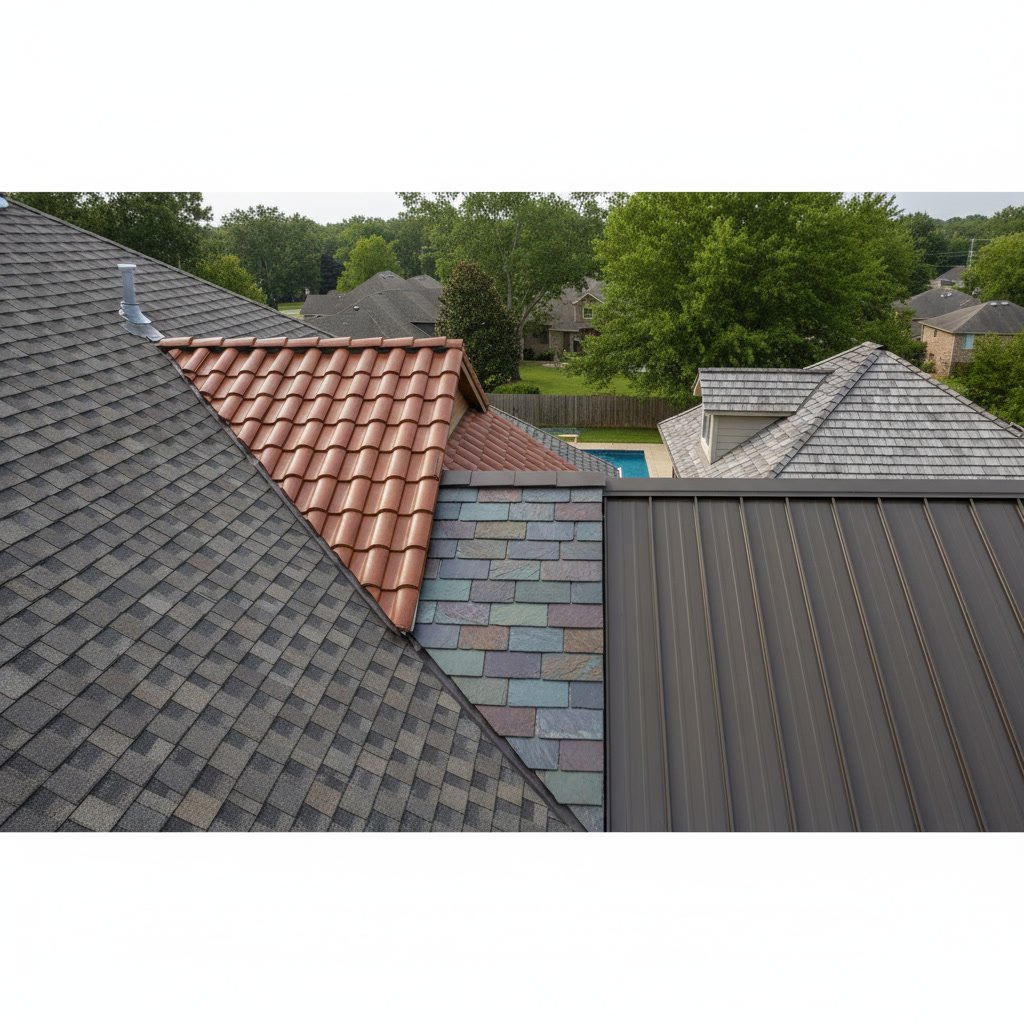
Asphalt shingles account for roughly 80 percent of residential roofs in the United States. These come in three-tab or architectural styles, offer decent lifespans of 20 to 30 years, and provide the most affordable option per square foot. Homeowners appreciate the wide range of colors and styles available.
Metal roofing has grown increasingly popular for residential applications due to longevity, energy efficiency, and low maintenance requirements. Standing seam metal panels last 40 to 70 years and perform exceptionally well in areas with heavy snow or high winds.
Other residential options include clay or concrete tiles, wood shakes, and slate, though these specialty materials represent a much smaller market share and require specific structural support due to their weight.
Pro Tip: Material selection should always account for your local climate. Ohio experiences significant temperature fluctuations, ice damming potential, and severe summer storms. Choose materials rated for thermal cycling and impact resistance.
Installation Methods and Complexity
The installation process for commercial roofing requires different skill sets, equipment, and timeframes compared to residential work. These differences explain why you should always hire contractors with specific commercial experience rather than assuming a residential roofer can handle any project.
Commercial Installation Considerations
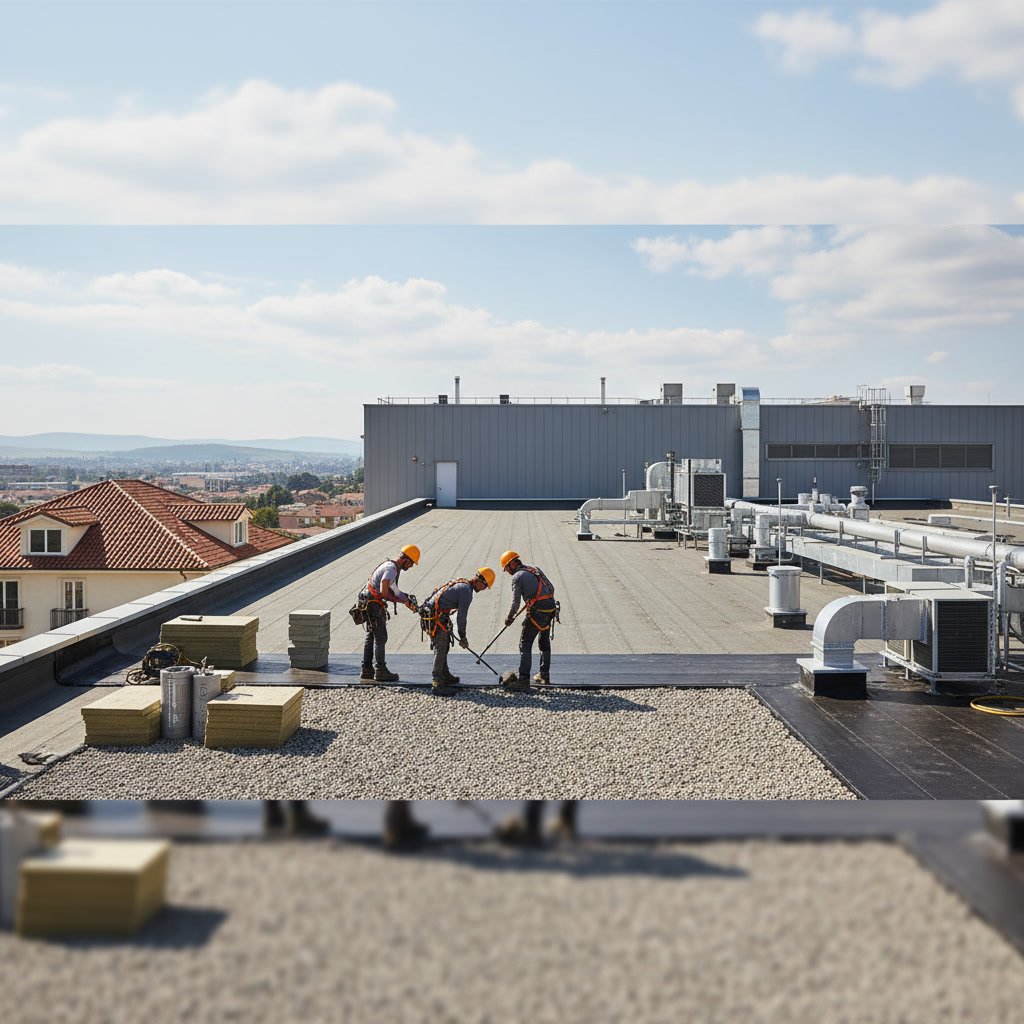
Commercial roofing installation often involves specialized equipment not used in residential work. Large torches for heat-welding seams, heavy rollers for adhering membranes, and cranes for lifting materials and equipment to rooftop locations all require trained operators and proper safety protocols.
Most commercial projects happen while the building remains operational. Installers must coordinate with property managers to minimize disruption, protect inventory and equipment from dust and debris, and maintain safe access for employees and customers. This logistical complexity adds layers of planning that residential projects rarely require.
Commercial installations also demand strict adherence to building codes, fire ratings, and often require inspections at multiple stages. Documentation, warranties, and compliance certificates become critical components of the project, not afterthoughts.
Residential Installation Considerations
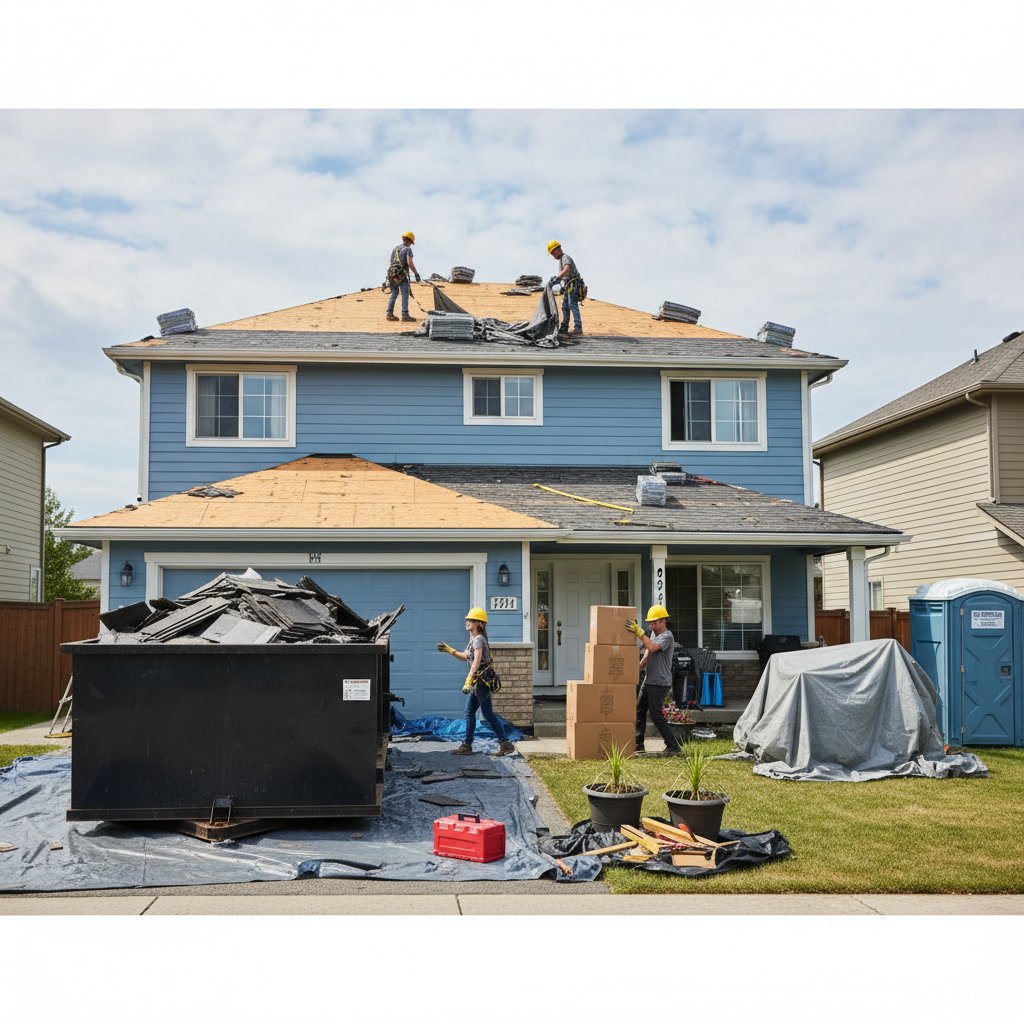
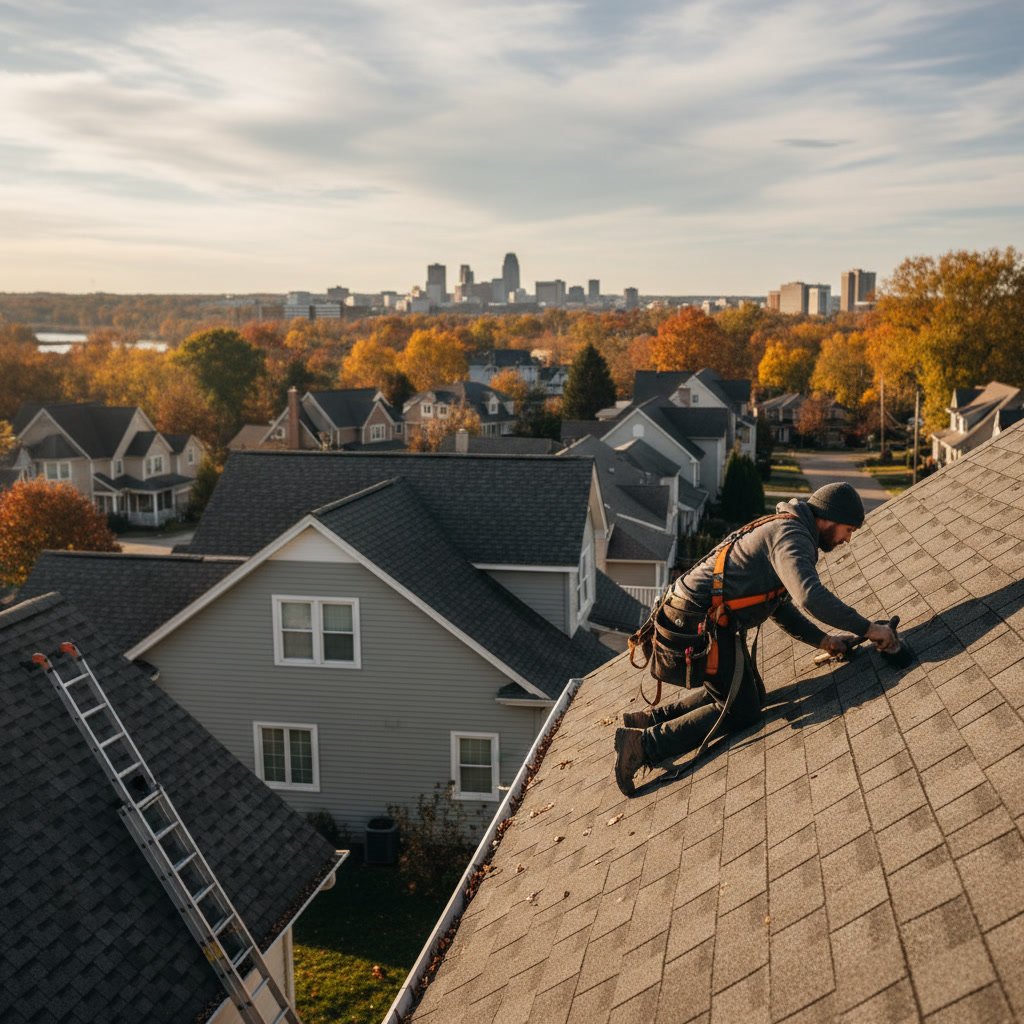
Residential roof installations typically happen faster and with smaller crews. The steep slopes require different safety equipment, including roof jacks, toe boards, and harness systems designed for pitched surfaces rather than flat decks.
Homeowners usually vacate during installation or work around noise and activity for a few days. The disruption, while inconvenient, rarely compares to the coordination required when replacing a roof on an active retail store or office building.
Material handling differs significantly as well. Shingle bundles arrive on pallets that crews hoist to the roof using conveyor systems or manual labor. This contrasts with commercial materials that often come in large, heavy rolls requiring mechanical lifts.
Maintenance Requirements and Longevity
Both commercial and residential roofs require regular maintenance, but the frequency, complexity, and stakes differ substantially between the two categories.
Commercial Roof Maintenance
Commercial roofs demand more frequent inspections due to the equipment they support and the larger financial stakes of a failure. Most experts recommend professional inspections twice per year, plus additional checks after severe weather events.
Maintenance crews must clear drains regularly, inspect seams and penetrations for separation, check equipment mounting points for rust or movement, and address any ponding water issues before they compromise the membrane. The relatively flat surface means water does not shed naturally, making drainage maintenance critical.
A comprehensive roof maintenance plan for commercial properties should include documentation of all inspections, repairs, and material performance. This record-keeping proves invaluable when filing warranty claims or selling the property.
Residential Roof Maintenance
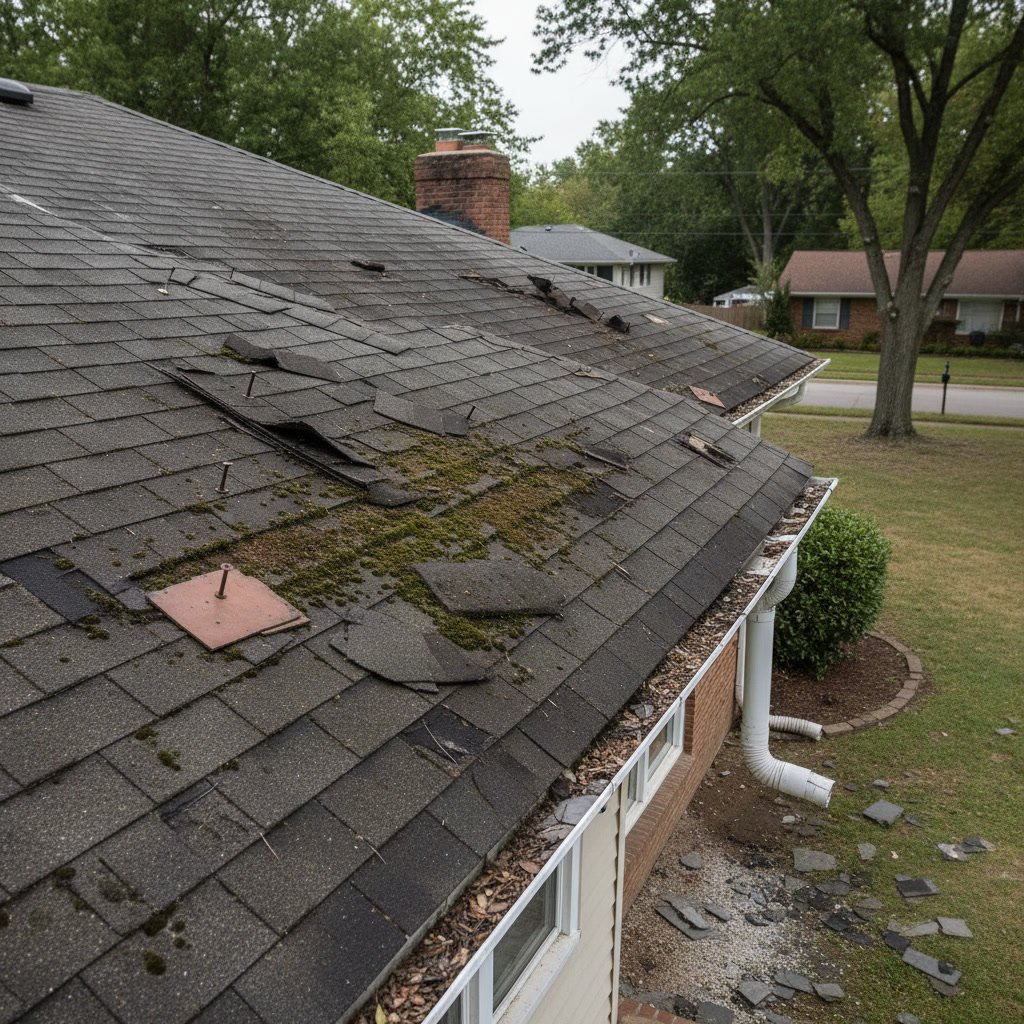
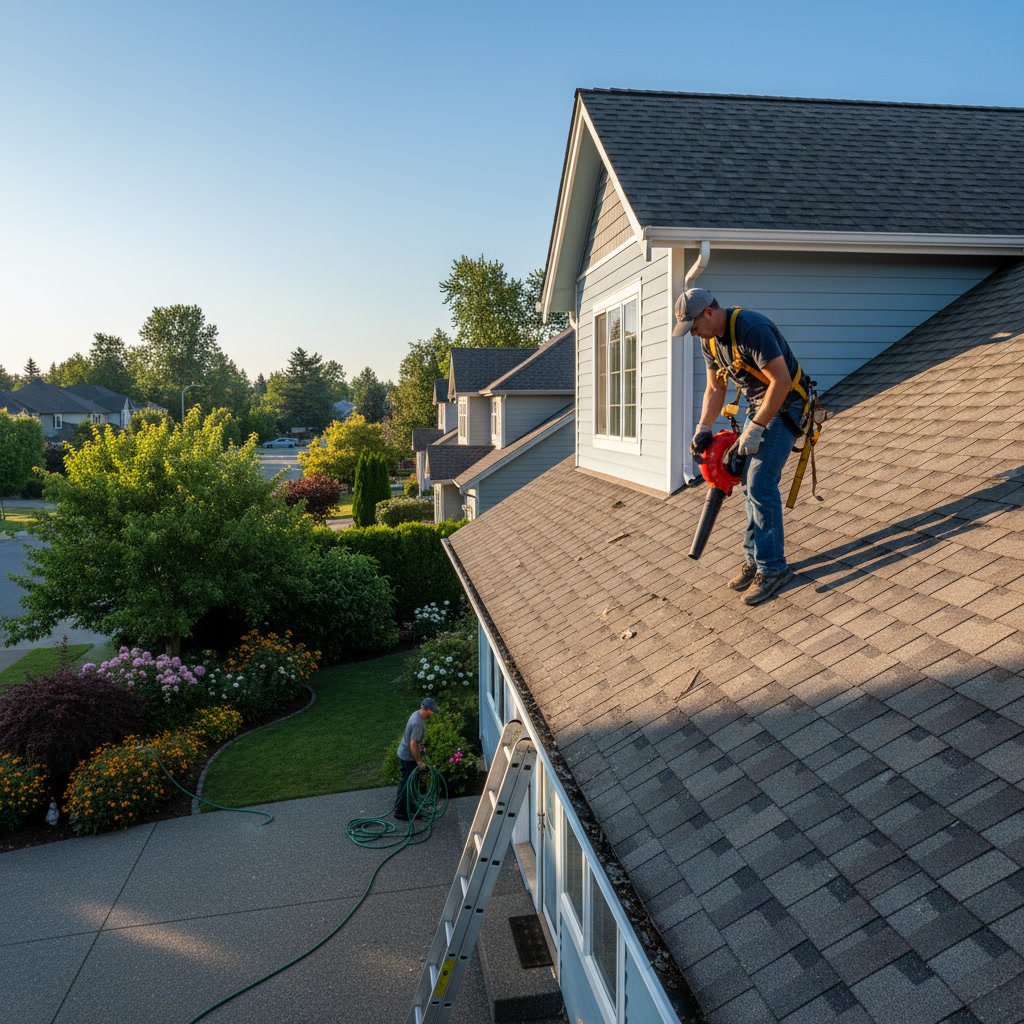
Homeowners typically inspect their roofs less frequently, often only when visible problems emerge. However, annual inspections still provide value by catching minor issues before they lead to interior damage.
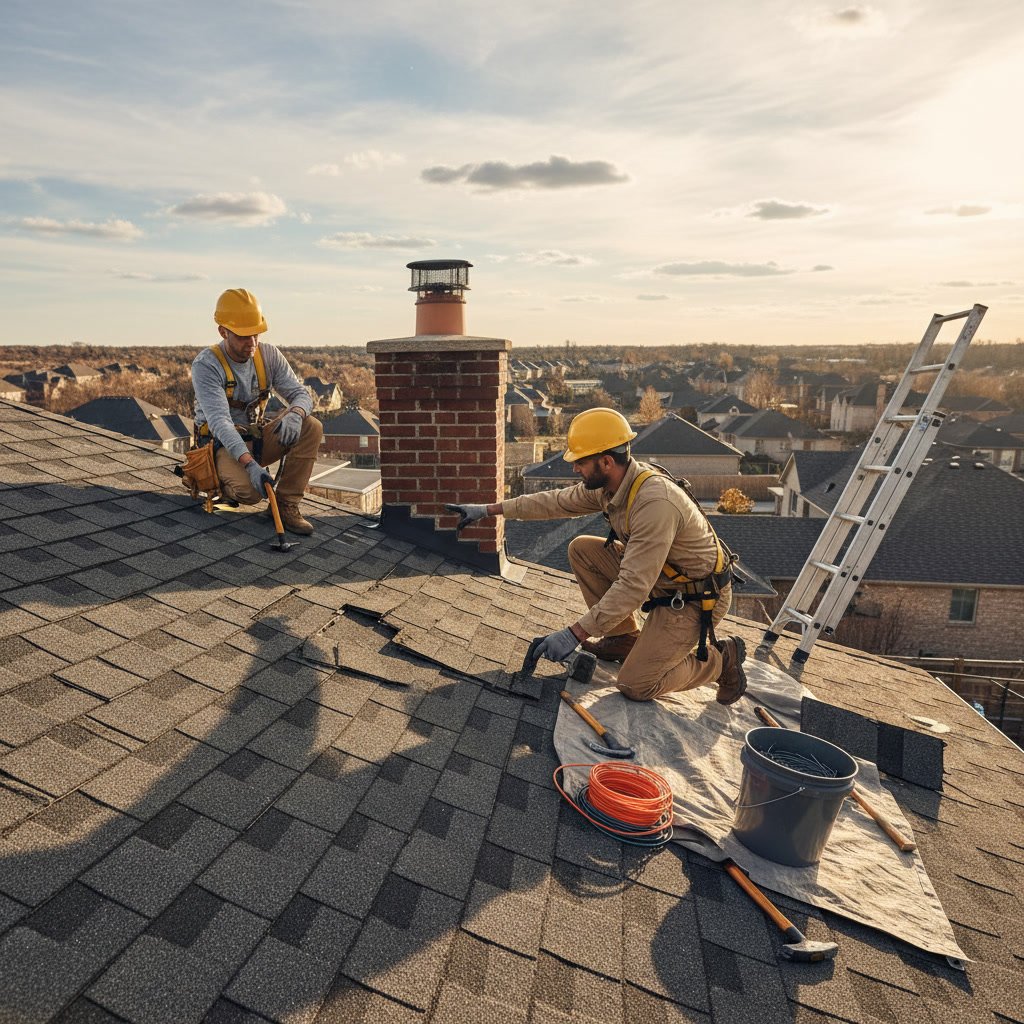
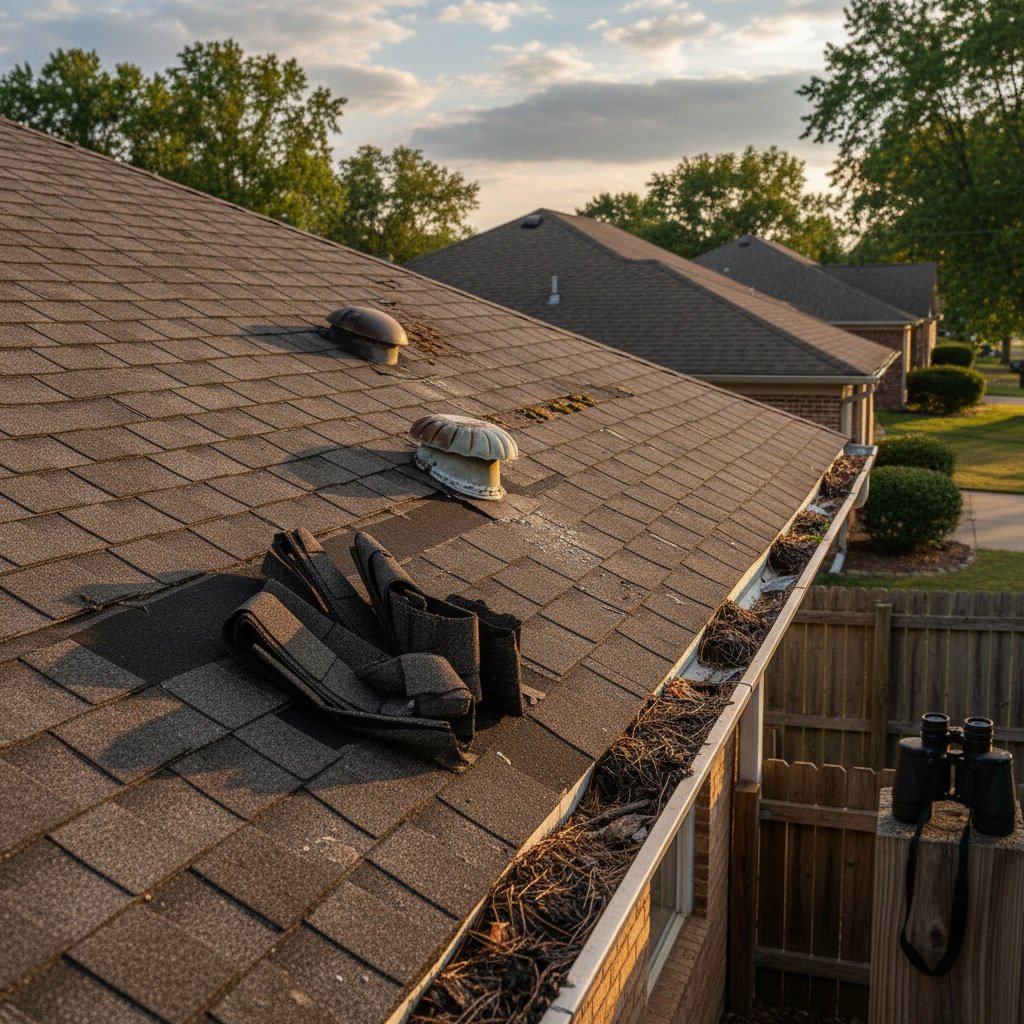
Residential maintenance focuses on clearing gutters and downspouts, checking for missing or damaged shingles, inspecting flashing around chimneys and vents, and removing debris like leaves and branches. These tasks require less specialized knowledge than commercial membrane maintenance but remain important for maximizing roof lifespan.
Our guide on how to know when your roof needs repair versus full replacement helps homeowners identify problems early and make cost-effective decisions about their roofing investment.
Cost Differences and Budget Considerations
Commercial and residential roofing projects operate on completely different budget scales, even when comparing cost per square foot.
Commercial roofing typically costs less per square foot than residential work because the larger scale allows for efficiency gains. Materials arrive in bulk, crews work continuously on large open areas rather than navigating complex architectural features, and overhead costs distribute across more square footage. Expect commercial roofing to range from $4 to $12 per square foot depending on material choice, building complexity, and regional labor rates.
However, the total project cost for commercial work far exceeds residential budgets. A 20,000-square-foot commercial roof at $7 per square foot totals $140,000. Meanwhile, a residential roof replacement might cost $8 to $15 per square foot, but the total project for a 2,500-square-foot home ranges from $20,000 to $37,500.
Commercial projects also involve additional costs rarely seen in residential work, including engineering reports, building permits, inspections, and potentially bonding requirements. Business owners must factor in lost productivity if the building closes during installation, plus the higher stakes of water damage to inventory, equipment, and business operations.
For detailed budget planning, our article on roof replacement costs in Dayton OH provides local pricing insights that help property owners set realistic expectations.
Code Requirements and Regulations
Building codes impose stricter requirements on commercial structures than residential properties, affecting everything from material selection to installation methods to energy efficiency standards.
Commercial roofs must meet specific fire ratings based on building occupancy and proximity to other structures. Class A fire ratings typically apply to commercial applications, requiring materials that resist flame spread and minimize fire penetration risk. These requirements eliminate some material options available for residential use.
Wind uplift ratings also carry more weight in commercial applications. Buildings with large, flat roof areas experience significant uplift forces during storms. Commercial roofing systems must meet FM Global or UL testing standards that verify the assembly will remain attached during high winds. Residential codes generally impose less stringent wind resistance standards.
Energy codes increasingly affect commercial roofing decisions. Many jurisdictions now require cool roof materials that meet specific solar reflectance and thermal emittance values. These requirements aim to reduce urban heat island effects and lower building cooling costs, but they limit material choices and sometimes increase upfront costs.
Choosing the Right Contractor for Your Project
Perhaps the most important difference between commercial and residential roofing comes down to contractor selection. The skills, equipment, insurance, and experience required for commercial work differ substantially from residential expertise.
Commercial roofing contractors need proper licensing for commercial work, significantly higher liability insurance limits (often $2 million or more), workers’ compensation coverage for larger crews, and bonding capacity for projects that require payment and performance bonds. They should demonstrate experience with your specific building type and roofing system.
Ask commercial contractors for references from similar projects, proof of manufacturer certifications for the materials they propose, and detailed written proposals that specify materials, installation methods, warranties, and project timelines. Commercial projects require more documentation than residential work, and reputable contractors provide this without hesitation.
Residential roofing contractors focus on customer service, working around homeowner schedules, and protecting landscaping and property during installation. While they need proper licensing and insurance, the requirements typically remain less stringent than commercial work demands.
Some roofing companies, including Eco Roofing, maintain expertise in both residential roofing and commercial applications. This dual capability provides advantages when property owners need consistent service across multiple building types or want to work with a trusted contractor for various properties.
When Commercial and Residential Roofing Overlap
While commercial and residential roofing differ in most respects, some overlap exists in specific situations that blur traditional boundaries.
Multi-family residential buildings with four or more units often fall under commercial building codes despite housing residents rather than businesses. These properties typically use commercial roofing materials and methods due to their size, low slopes, and code requirements.
Some homeowners choose commercial-grade materials for residential applications when they want maximum durability or plan to install rooftop solar arrays that require reinforced mounting systems. Metal roofing represents another area where materials and methods cross between commercial and residential applications.
High-end custom homes sometimes incorporate flat or low-slope sections that require commercial roofing techniques alongside traditional steep-slope residential areas. These hybrid projects demand contractors comfortable working with both approaches.
Key Takeaway: The line between commercial and residential roofing sometimes blurs, but the fundamental differences in materials, methods, codes, and complexity remain significant. Always verify your contractor has specific experience with your project type.
Frequently Asked Questions
Can a residential roofer handle commercial projects?
Not usually. Commercial roofing requires different materials, installation methods, equipment, and licensing than residential work. While some contractors maintain dual expertise, most specialize in one category. Always verify commercial experience, proper licensing, and adequate insurance before hiring a contractor for business property work.
How long do commercial roofs last compared to residential roofs?
Commercial roofs typically last 20 to 30 years with proper maintenance, though some systems like built-up roofing can exceed 30 years. Residential asphalt shingle roofs last 20 to 30 years, while metal residential roofs can last 40 to 70 years. Lifespan depends more on material choice and maintenance quality than building type.
Do commercial roofs cost more than residential roofs?
Commercial roofing often costs less per square foot due to economies of scale, ranging from $4 to $12 per square foot versus $8 to $15 for residential. However, total project costs run much higher for commercial work because of the larger areas involved and additional requirements like engineering and stricter inspections.
What happens if I use residential roofing materials on a commercial building?
Using residential materials on commercial buildings usually violates building codes and voids manufacturer warranties. Commercial properties must meet stricter fire ratings, wind uplift standards, and load-bearing requirements that residential materials cannot satisfy. Code enforcement can require removal and reinstallation with proper materials.
How often should commercial roofs be inspected compared to residential roofs?
Commercial roofs benefit from professional inspections twice per year plus after severe weather events due to their flat drainage systems, equipment loads, and higher financial stakes. Residential roofs typically need annual inspections, though twice-yearly checks provide better protection and can extend roof lifespan significantly.
Getting Professional Roofing Service in the Dayton Area
Understanding the differences between commercial and residential roofing helps property owners make informed decisions about contractors, materials, budgets, and maintenance strategies. Whether you manage a warehouse in Huber Heights or own a retail building in Centerville, choosing a roofing partner with specific commercial expertise protects your investment and minimizes disruption to your operations.
Eco Roofing provides both commercial and residential roofing services throughout the Dayton region, bringing specialized knowledge to every project regardless of size or complexity. Our team understands Ohio weather challenges, local building codes, and the distinct requirements that separate commercial from residential work. We serve property owners across Kettering, Beavercreek, Huber Heights, Fairborn, Riverside, Centerville, Bellbrook, Xenia, Vandalia, and Miamisburg with quality materials, experienced crews, and transparent pricing.
If you need a roof inspection, repair, or replacement for your business or commercial property, contact us at +19378301004 for a free estimate. Our team will assess your specific needs and recommend solutions built to protect your property for decades.