Your roof protects everything you value, yet most homeowners only think about it when something goes wrong. By then, a small issue has often grown into an expensive emergency. Fairborn’s climate, with its humid summers, freezing winters, and unpredictable storms, creates the perfect conditions for residential roofing problems to develop quickly and quietly.
This guide walks you through the most common roofing issues affecting homes in Fairborn, the early warning signs you can spot from the ground, and practical steps to catch problems before they compromise your home’s safety or drain your savings.
Why Fairborn Homes Face Unique Roofing Challenges
Fairborn sits in the heart of Ohio, where weather extremes test every roof. Summer heat pushes temperatures into the 90s, causing asphalt shingles to expand and become brittle. Winter brings freezing rain, ice dams, and snow loads that stress roof structures and flashings.
Spring and fall deliver severe thunderstorms with high winds, hail, and heavy rainfall. These seasonal shifts cause roofing materials to expand and contract repeatedly, accelerating wear and creating openings for water intrusion. Homes built in the 1970s through 1990s often have original roofs now reaching the end of their 20 to 25-year lifespan.
The tree-lined neighborhoods common throughout Fairborn add another layer of risk. Overhanging branches drop leaves and debris that trap moisture, while nearby trees increase the chance of storm damage from falling limbs.
Missing or Damaged Shingles
Asphalt shingles are the most common roofing material in Fairborn, and they are also the most visible indicator of roof health. When shingles go missing or suffer damage, your roof’s waterproof barrier is compromised.
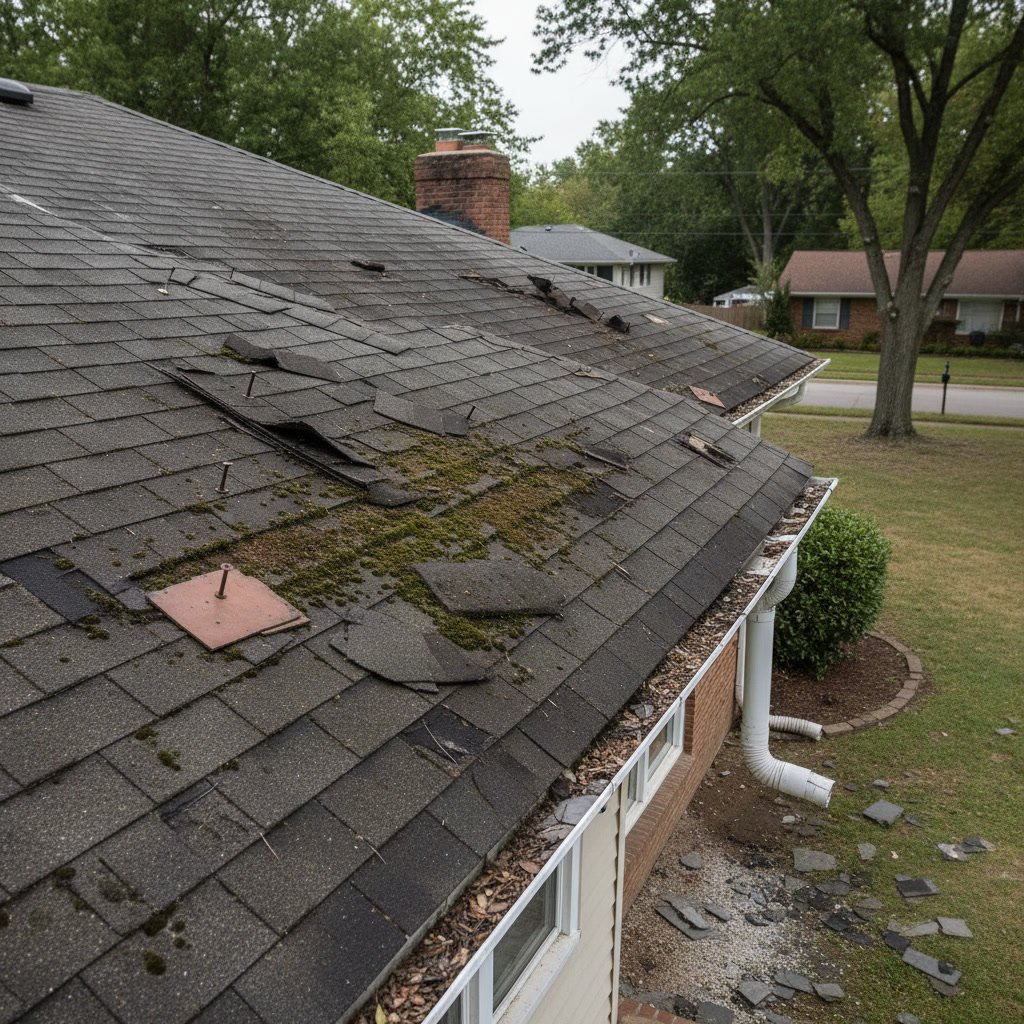
High winds are the primary culprit. Gusts above 50 mph can lift shingle edges, especially if the adhesive seal has weakened with age. Once one shingle loosens, adjacent shingles become vulnerable. You might notice dark patches on your roof where underlayment shows through, or find shingle fragments in your yard after a storm.
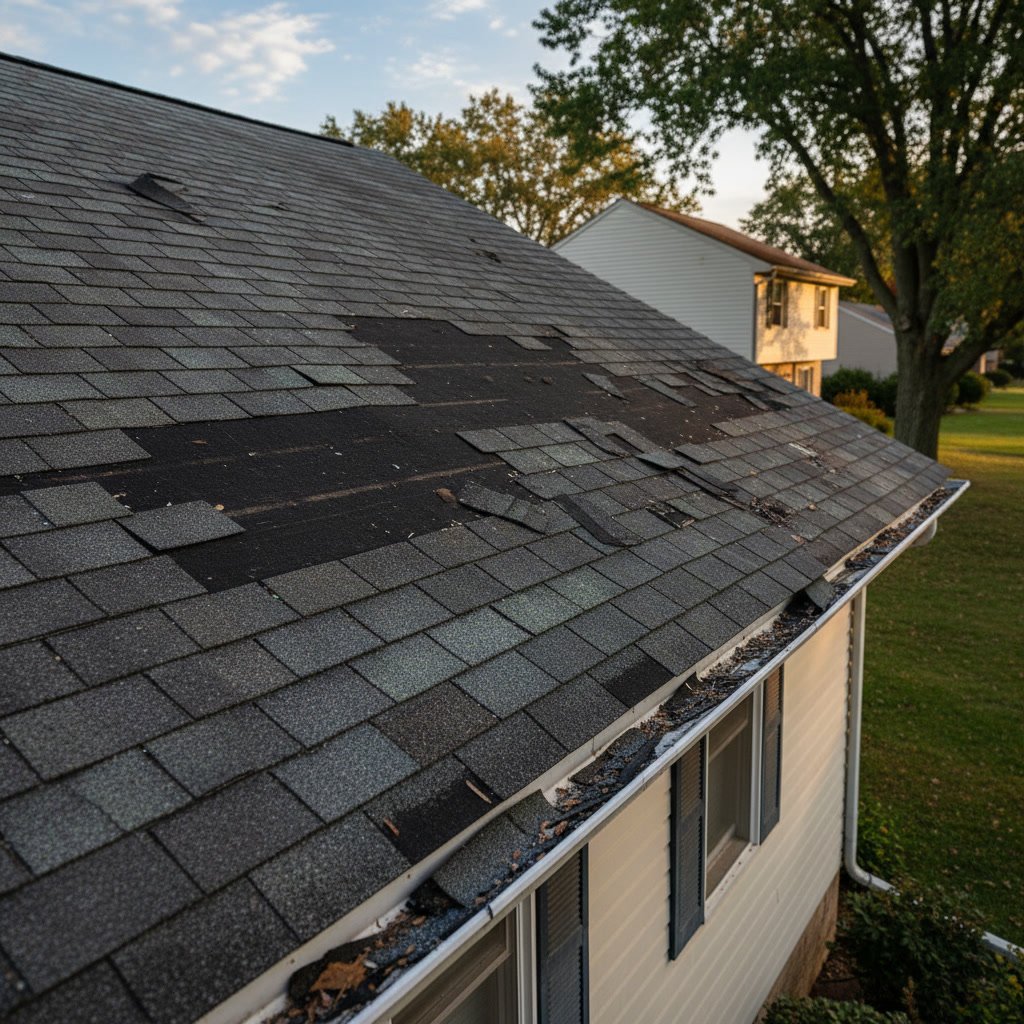
Curling or cupping shingles signal aging or improper attic ventilation. When shingles curl upward at the edges or cup in the center, they lose their ability to shed water effectively. This creates channels where water can flow under the shingle and reach the decking below.
Granule loss appears as bare spots on shingles or as gritty sediment in your gutters. The protective granules on asphalt shingles shield them from UV damage. Once they wash away, shingles deteriorate rapidly. A roof losing significant granules is approaching the end of its useful life.
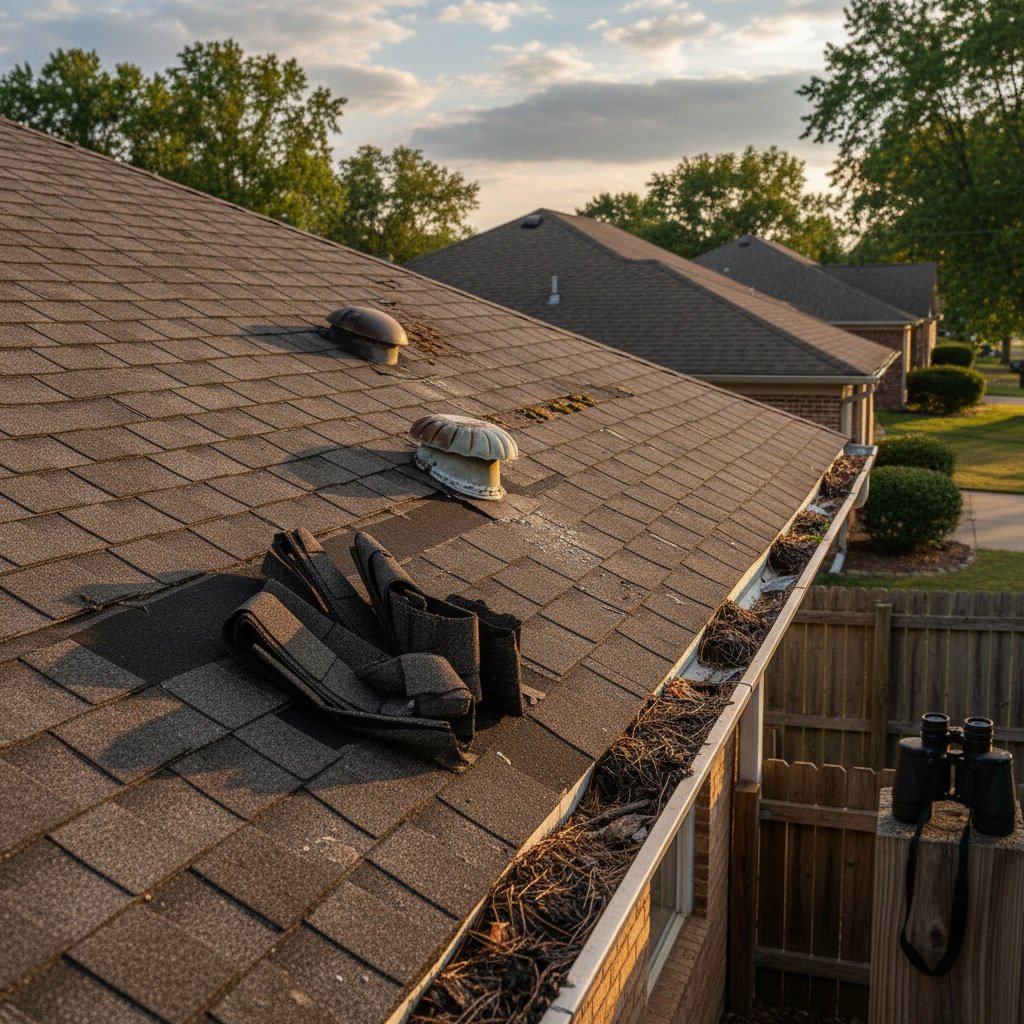
Pro Tip: Walk your property after every major storm and scan your roof with binoculars from the ground. Look for mismatched color patches, lifted edges, or visible gaps. Early detection of damaged shingles can prevent interior water damage that costs 10 times more to repair.
Roof Leaks and Water Intrusion
Not all residential roofing problems announce themselves with obvious exterior damage. Leaks often develop silently inside your home’s structure, causing rot, mold, and insulation damage long before you notice a ceiling stain.
The most common leak points are roof penetrations: chimneys, vent pipes, skylights, and exhaust fans. Flashing around these features creates a waterproof seal, but caulk degrades, metal corrodes, and rubber boots crack over time. Water follows the path of least resistance, sometimes traveling several feet along rafters before dripping into your living space.
Interior Warning Signs
Check your attic regularly, especially after heavy rain. Look for water stains on rafters, dark spots on the underside of roof decking, or damp insulation. A musty smell indicates moisture even if you cannot see visible water. Peeling paint on ceilings or walls near exterior walls often traces back to roof leaks.
Ice Dam Formation
Winter leaks in Fairborn frequently result from ice dams. When heat escapes through inadequate attic insulation, it melts snow on your roof. Water runs down to the cold eaves and refreezes, creating a dam. As more snow melts, water backs up under shingles and seeps into your home.
You can spot ice dam conditions by looking for icicles along your eaves or uneven snow melt patterns. If the center of your roof is clear while the edges remain snow-covered, heat is escaping and creating conditions for ice dams.
Our roof repair team addresses leak sources quickly, but prevention through proper attic ventilation and insulation saves thousands compared to repairing water-damaged interiors.
Flashing Failures and Vulnerable Joints
Flashing is the thin metal or rubber material that seals joints and transitions on your roof. It directs water away from vulnerable areas, but it is also one of the first components to fail.
Valley flashing, where two roof planes meet, channels large volumes of water. If the flashing corrodes, separates, or was improperly installed, water flows directly onto roof decking. You might notice rust stains, separation between flashing and shingles, or visible gaps.
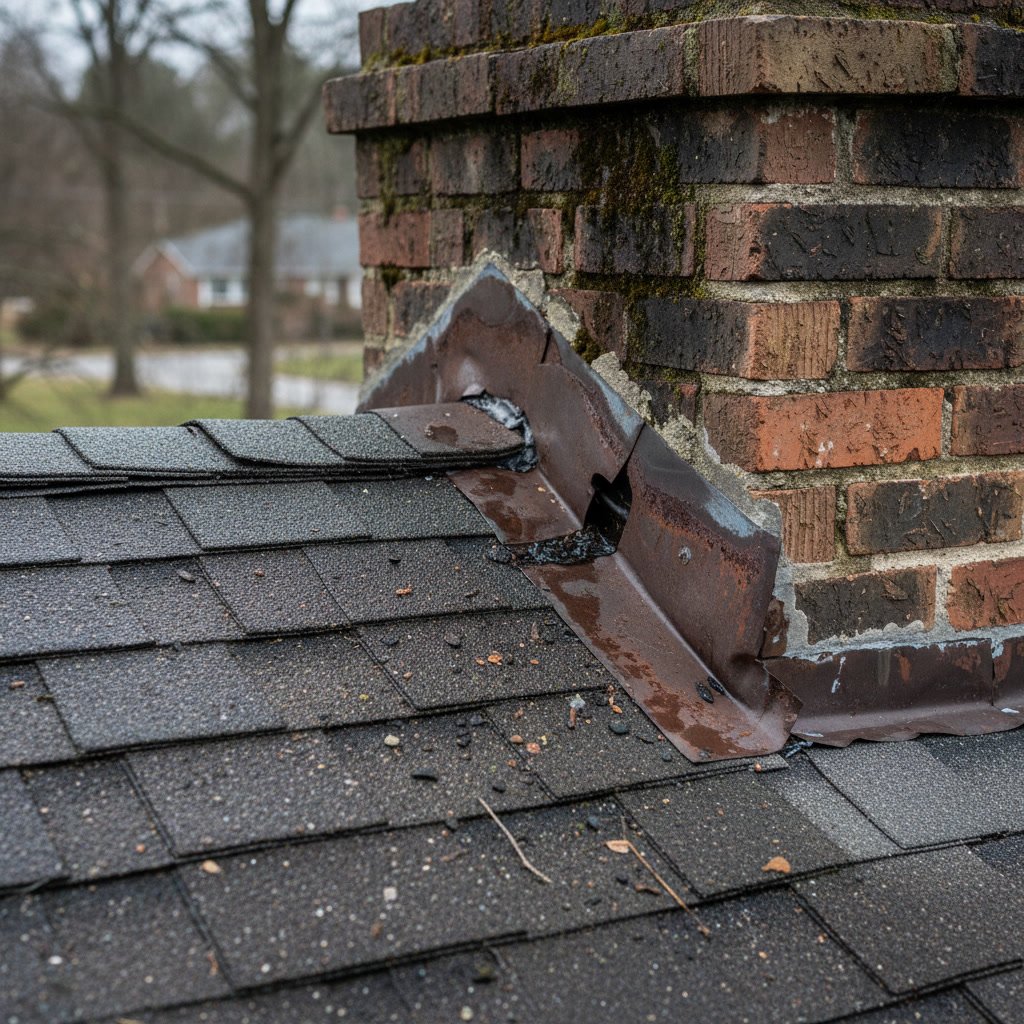
Chimney flashing failures are especially common in older Fairborn homes. The flashing includes both step flashing (woven into shingles along the chimney sides) and counter flashing (embedded in the chimney mortar). When mortar deteriorates or flashing pulls away, water enters the gap and rots the surrounding decking.
Vent pipe boots are rubber collars that seal around plumbing vents. UV exposure and temperature swings cause rubber to crack within 10 to 15 years. A cracked boot allows water to pour straight into your home every time it rains. From the ground, you might see cracked or missing rubber around pipes protruding from your roof.
Addressing flashing issues promptly prevents the need for extensive roof replacement down the line. Small flashing repairs completed early protect the larger roofing system.
Gutter and Drainage Problems
While gutters are not technically part of your roof, they are critical to preventing residential roofing problems. Clogged or damaged gutters cause water to overflow and soak roof edges, fascia boards, and soffits.
Fairborn’s mature trees drop leaves year-round, but fall brings the heaviest accumulation. When gutters fill with debris, water has nowhere to go. It backs up under shingles at the roof edge or pours over the sides, saturating your foundation and causing basement flooding.
Sagging gutters indicate they are holding too much weight from debris or water, or that hangers have failed. Gutters should slope slightly toward downspouts. When sections sag or pull away from the fascia, water pools instead of draining.
Downspouts that discharge too close to your foundation create another problem. Water should flow at least five to 10 feet away from your home. Otherwise, it seeps back toward your basement or crawl space, creating moisture problems that eventually affect your entire structure, including your roof system from below.
Key Takeaway: Clean your gutters at least twice per year, in late spring and late fall. If your home sits under large trees, quarterly cleaning prevents overflow and protects your roof edges. Professional gutter installation and replacement ensures proper slope and secure attachment.
Ventilation and Attic Moisture Issues
Proper attic ventilation extends your roof’s lifespan and prevents hidden damage. Many Fairborn homes, especially older constructions, lack adequate ventilation. This creates a cycle of heat and moisture buildup that attacks your roof from the inside.
In summer, inadequate ventilation traps heat in your attic, sometimes reaching 150 degrees or higher. This extreme heat bakes shingles from below, causing premature aging and warping. Your air conditioning works harder, raising energy costs while your roof deteriorates faster.
Winter moisture problems are equally destructive. Warm air from your living space rises into the attic. Without proper ventilation, condensation forms on cold roof decking and rafters. This moisture rots wood, ruins insulation, and creates ideal conditions for mold growth.
Signs of Ventilation Problems
Look for rust stains on metal roof components visible from your attic. Frost buildup on the underside of your roof decking during winter indicates condensation issues. Mold or mildew on attic surfaces, damp insulation, or a musty smell all point to moisture accumulation.
From outside, check that soffit vents are not blocked by insulation or debris. Ridge vents or gable vents should be clear and unobstructed. A balanced ventilation system includes both intake vents (at soffits) and exhaust vents (at the ridge or gables) to create continuous airflow.
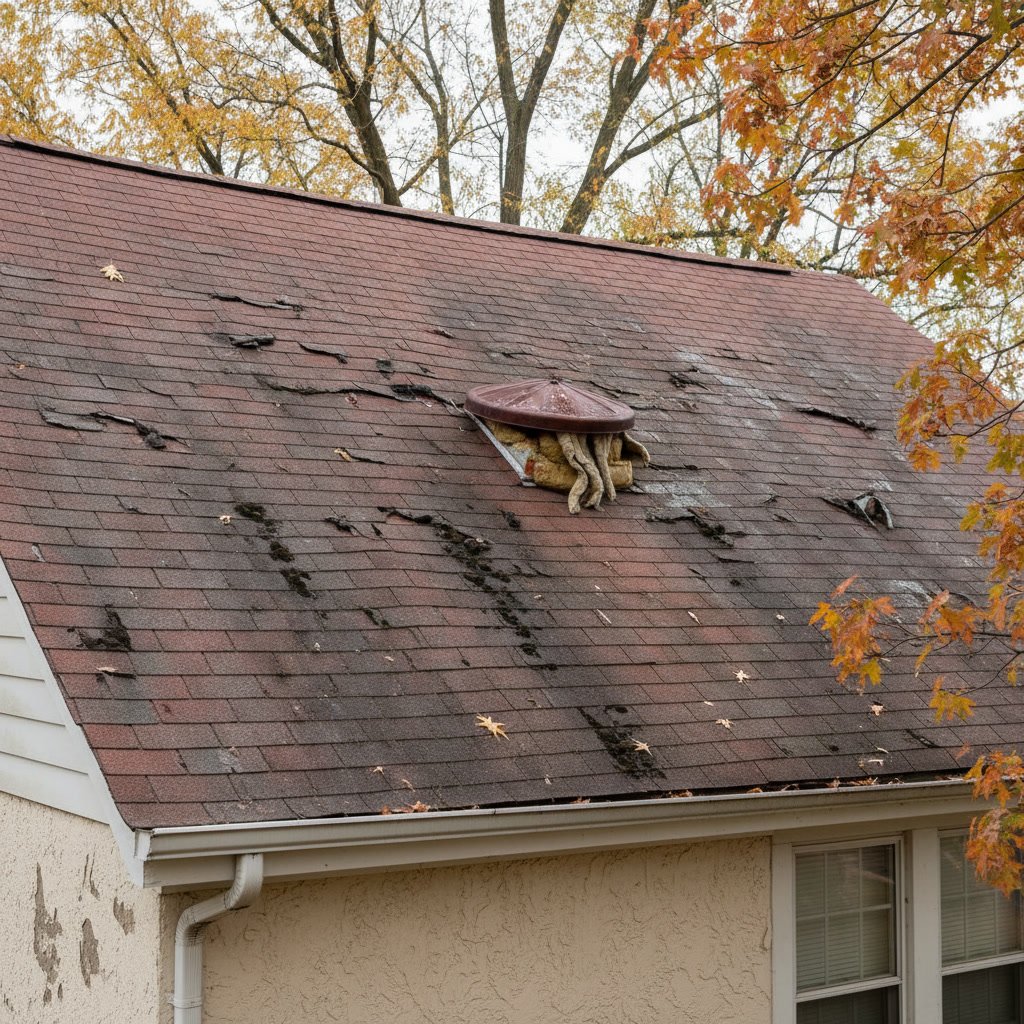
Regular roof maintenance includes attic inspections that catch ventilation issues before they shorten your roof’s lifespan. Adding or upgrading ventilation during a roof replacement project is far more cost-effective than replacing a roof prematurely due to heat and moisture damage.
Storm Damage and Hail Impact
Severe weather events cause immediate and long-term residential roofing problems. Fairborn experiences several severe thunderstorms each year, some producing hail and damaging winds.
Hail damage might not be obvious from the ground. Impacts create bruises on asphalt shingles, exposing the mat beneath the protective granules. These damaged areas allow UV rays and water to deteriorate the shingle rapidly. Even small hail (one inch diameter) can shorten a roof’s life by five to 10 years.
Look for dents on metal roof components like vents, flashing, or gutters after a hailstorm. These indicate that shingles likely sustained damage too. Dark spots or divots on shingles, especially on slopes facing the storm direction, confirm hail impact.
Wind damage extends beyond missing shingles. High winds can lift entire sections of roofing, especially at edges, ridges, and corners where wind forces concentrate. They can also drive rain horizontally under shingles that normally shed water effectively.
Document storm damage immediately with photos and notes. Contact your insurance company and a professional roofing contractor to assess the extent. Many policies cover storm damage, but claims must be filed promptly. Waiting allows secondary damage to develop, which insurers may not cover.
Understanding when damage requires repair versus full replacement helps you make informed decisions. Our guide on knowing when your roof needs repair versus full replacement provides detailed criteria for making this important choice.
Structural Issues and Sagging
Visible sagging or dipping in your roofline indicates serious structural problems. Unlike cosmetic issues, structural failures threaten your home’s safety and require immediate professional attention.
Sagging can result from several causes. Inadequate roof framing during original construction creates weak points. Water damage from long-term leaks rots rafters and decking. Excessive weight from multiple roof layers (common in homes where new shingles were installed over old ones) overloads the structure.
Stand back from your home and look at the roofline against the sky. It should appear straight and level. Dips, waves, or obvious low spots indicate structural compromise. From inside your attic, look for cracked or sagging rafters, separated joints, or decking that has delaminated or pulled away from supports.
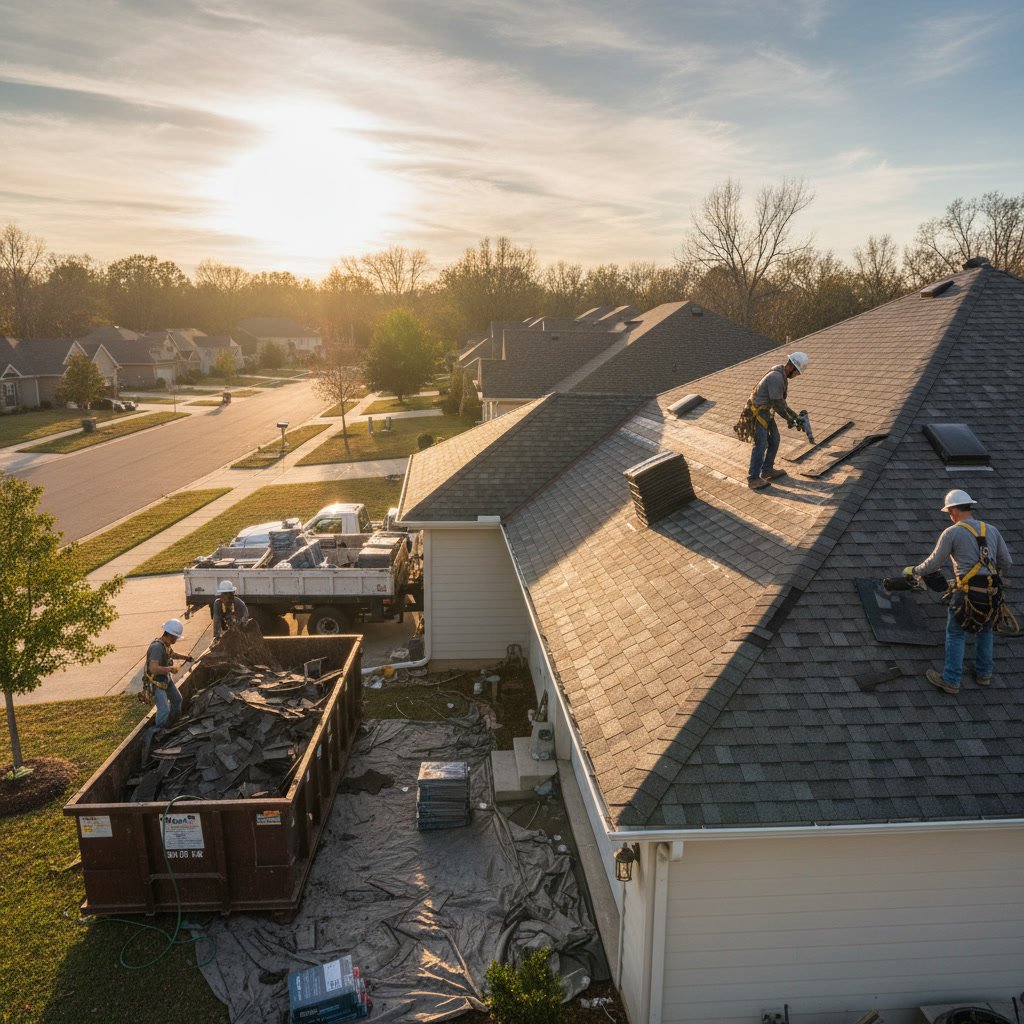
Structural repairs often require removing roofing materials to access damaged framing. The cost varies based on the extent of damage, but addressing these issues protects your family’s safety and preserves your home’s value. Ignoring structural problems leads to catastrophic failure that endangers occupants and costs far more to remedy.
When to Call a Professional Roofer
Some residential roofing problems are obvious, but many develop gradually. Knowing when to schedule a professional inspection saves money and prevents emergencies.
Call for an inspection if your roof is 15 years old or older, even if you see no obvious problems. Most asphalt shingle roofs last 20 to 25 years, but the final years often bring accelerating deterioration. A professional assessment helps you plan and budget for eventual replacement rather than facing an emergency.
Schedule an inspection after any severe weather event, especially if your neighbors sustained visible damage. Hail and wind damage is not always obvious from the ground, but it compromises your roof’s protective capability.
Contact a roofer immediately if you notice interior water stains, active leaks, sagging rooflines, or large sections of missing shingles. These indicate problems that worsen rapidly with each rain or snow event.
Annual or biannual inspections catch small issues before they escalate. A qualified roofer examines areas homeowners cannot safely access, including steep slopes, high sections, and tight spaces around chimneys and vents. The modest cost of regular inspections prevents thousands in repair bills.
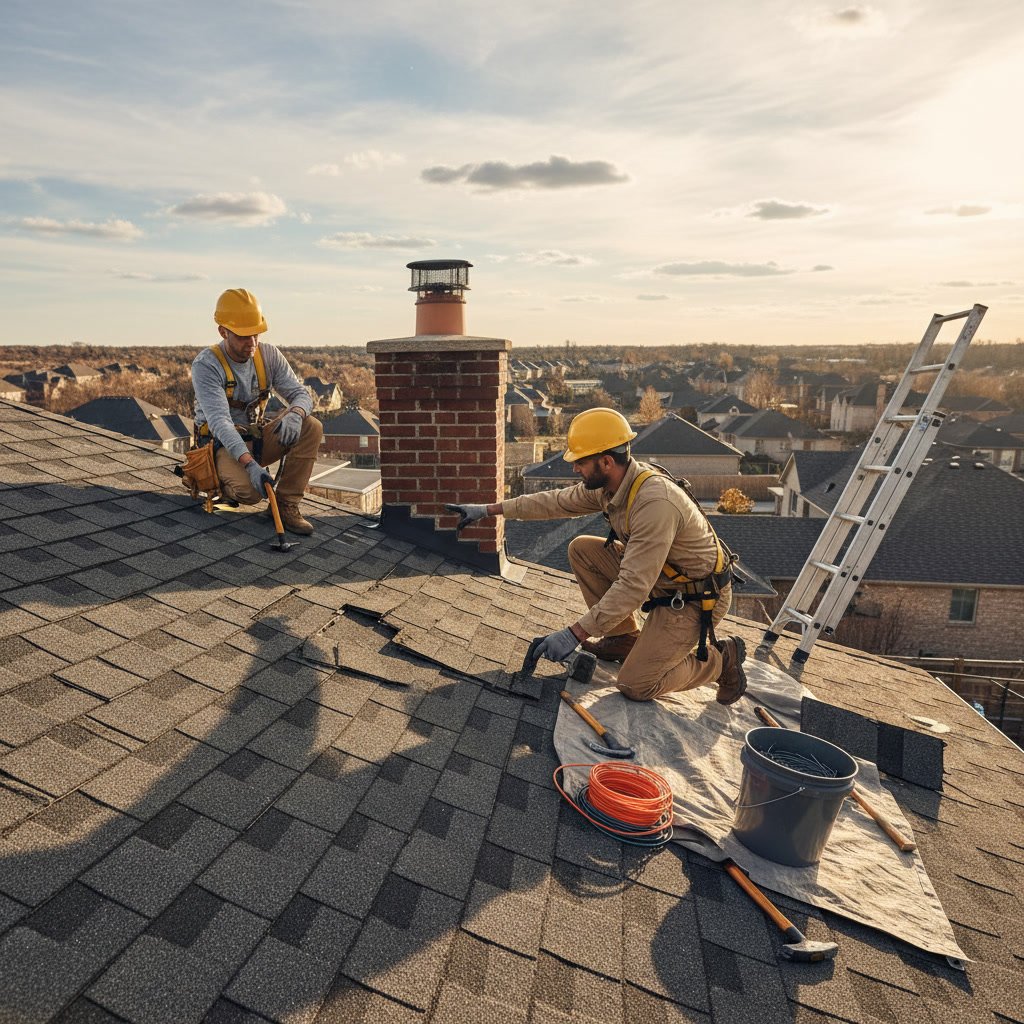
Pro Tip: Never attempt to walk on your roof yourself. Professionals have proper safety equipment and training. A fall from even a single-story roof can cause severe injury or death. Additionally, walking on aged or damaged shingles causes further harm.
Preventive Maintenance Tips for Fairborn Homeowners
Proactive care extends your roof’s lifespan and minimizes residential roofing problems. Simple maintenance tasks performed regularly save thousands in repairs and premature replacement costs.
Trim tree branches that overhang or touch your roof. Branches scrape shingles during windy conditions, and they provide a highway for squirrels and other pests. Maintain at least six feet of clearance between branches and your roofline.
Remove debris from your roof and gutters several times per year. Leaves, twigs, and seed pods trap moisture against shingles, accelerating rot and algae growth. Clean gutters ensure proper drainage and prevent water backup.
Inspect your roof from the ground after storms. Use binoculars to scan for obvious damage without climbing. Look for missing or lifted shingles, damaged flashing, or accumulations of granules in gutters and downspout discharge areas.
Schedule professional inspections every two to three years, or annually for roofs over 15 years old. Professionals spot subtle warning signs and address minor issues during routine maintenance visits.
Address small problems immediately. A single missing shingle or small flashing gap costs little to repair today but can cause hundreds or thousands in water damage if left unattended through several rain cycles.
Ensure adequate attic insulation and ventilation. This protects your roof from interior heat and moisture while lowering energy costs. Proper ventilation alone can add years to your roof’s lifespan.
Frequently Asked Questions
How often should I inspect my roof for problems?
Homeowners should visually inspect their roof from the ground at least twice per year, in spring and fall, and after any major storm. Professional inspections should occur every two to three years for newer roofs and annually for roofs over 15 years old. Regular inspections catch residential roofing problems early when repairs are simple and inexpensive.
What are the most common signs my roof needs immediate attention?
Call a professional immediately if you notice interior water stains or active leaks, large sections of missing shingles, visible sagging or dips in your roofline, or granules accumulating heavily in gutters. These indicate problems that will worsen rapidly and cause extensive damage if not addressed quickly.
Can I repair small roof problems myself?
Minor repairs like replacing a few loose shingles might seem manageable, but roof work is dangerous and improper repairs often make problems worse. Professional roofers have safety equipment, proper materials, and the expertise to identify related issues you might miss. The modest cost of professional repair is worthwhile compared to the risks of DIY work.
How much does a typical roof repair cost in Fairborn?
Repair costs vary widely based on the problem’s nature and extent. Small repairs like replacing flashing or a few shingles might cost a few hundred dollars, while extensive leak repairs involving decking replacement can reach several thousand. Getting a professional assessment provides accurate pricing. Most reputable companies offer free inspections and estimates.
Does homeowners insurance cover roof damage?
Most policies cover sudden damage from storms, hail, wind, or falling trees. They typically do not cover damage from neglect, wear and tear, or lack of maintenance. Document any storm damage immediately with photos, contact your insurer promptly, and have a professional roofer provide a damage assessment. Acting quickly improves your chances of coverage approval.
Protect Your Fairborn Home with Expert Roofing Care
Residential roofing problems in Fairborn develop from the area’s challenging weather patterns and the natural aging of roofing materials. Catching issues early, maintaining your roof properly, and working with experienced professionals protects your investment and prevents small problems from becoming expensive emergencies.
Eco Roofing serves Fairborn and surrounding communities with comprehensive residential roofing services, from routine maintenance and minor repairs to complete roof replacements. Our team understands the specific challenges local homes face and provides honest assessments and quality workmanship you can trust.
If you have noticed any warning signs or your roof is approaching 15 years old, contact Eco Roofing today for a free inspection. Call +19378301004 or visit our contact page to schedule your assessment and gain peace of mind knowing your home is protected.