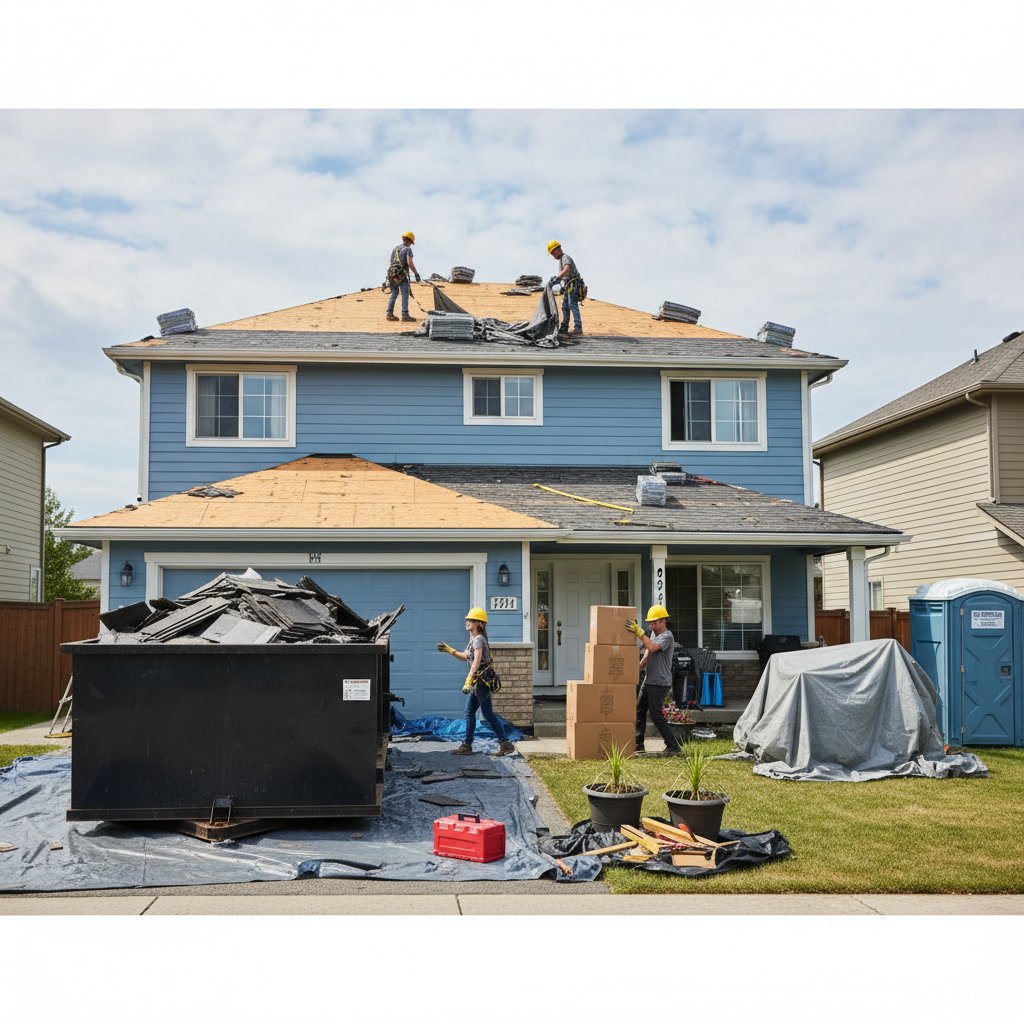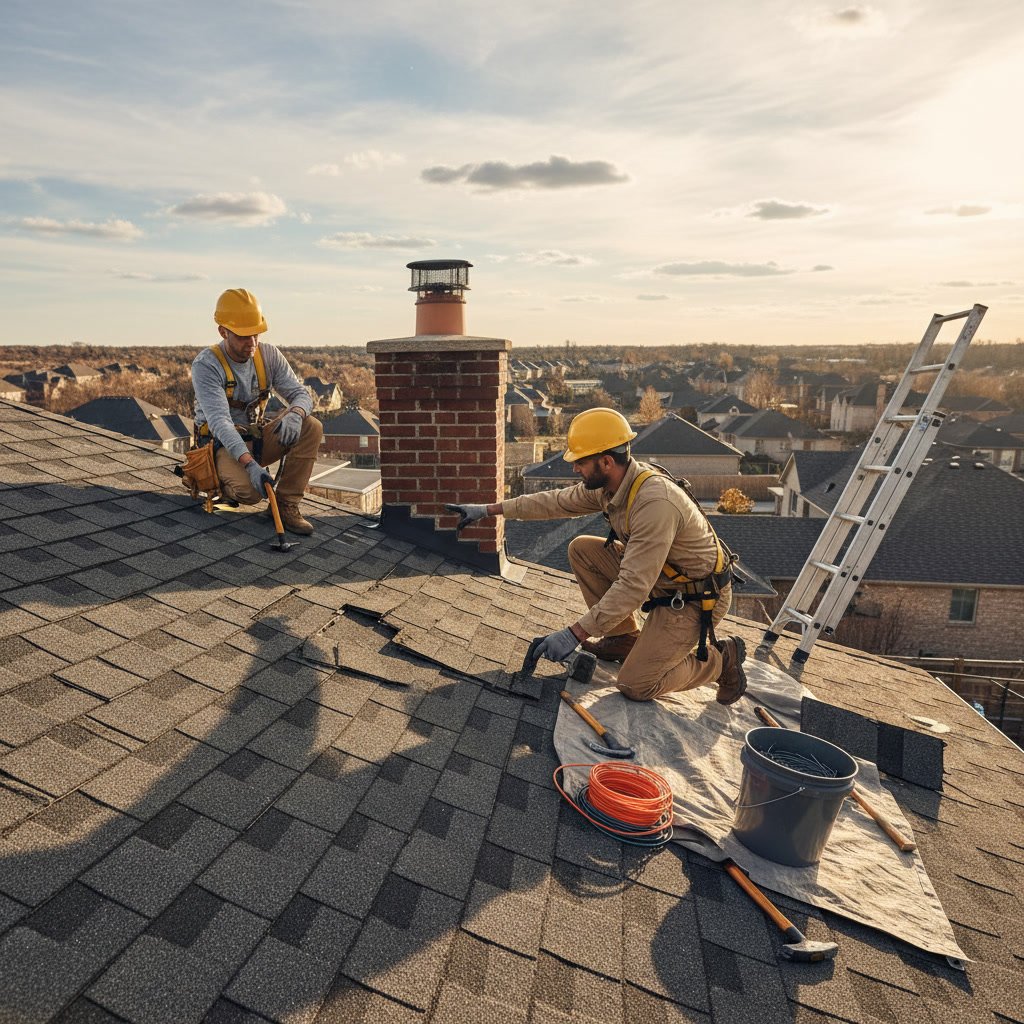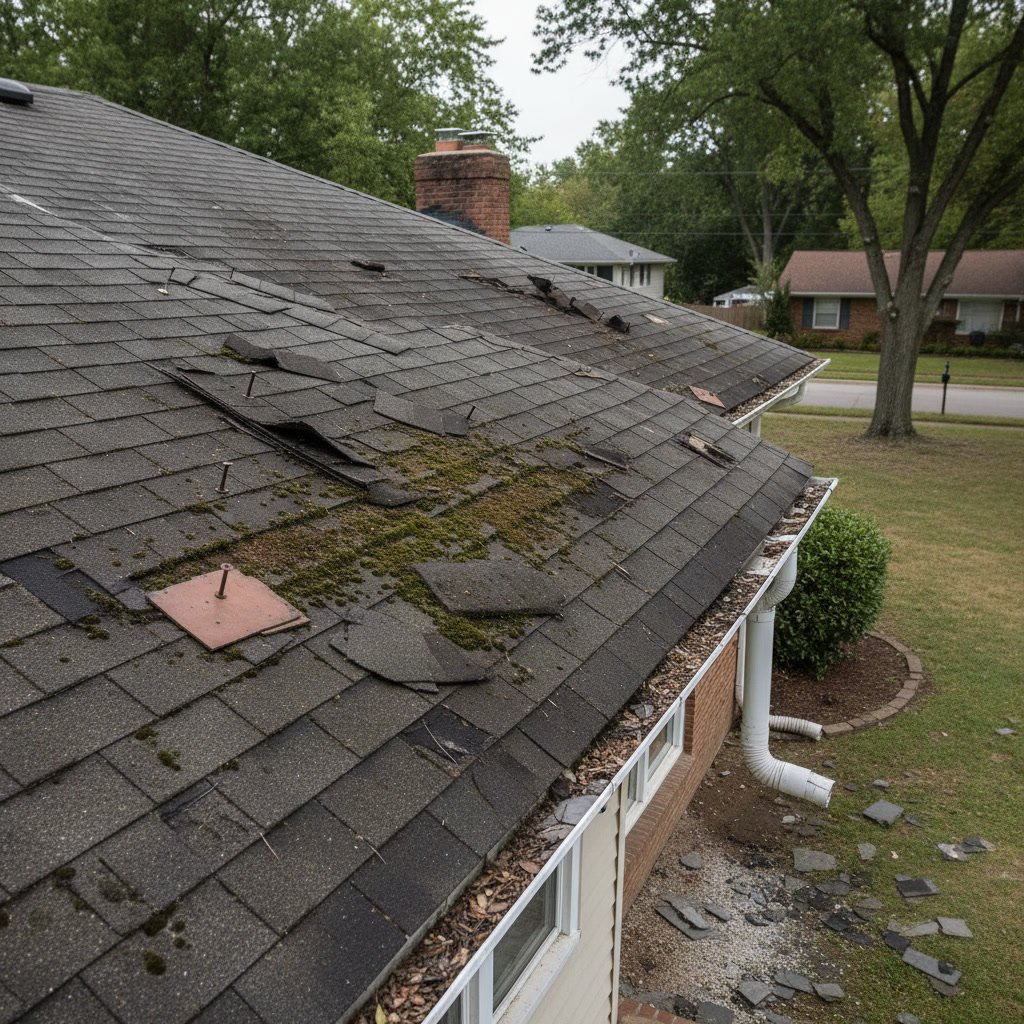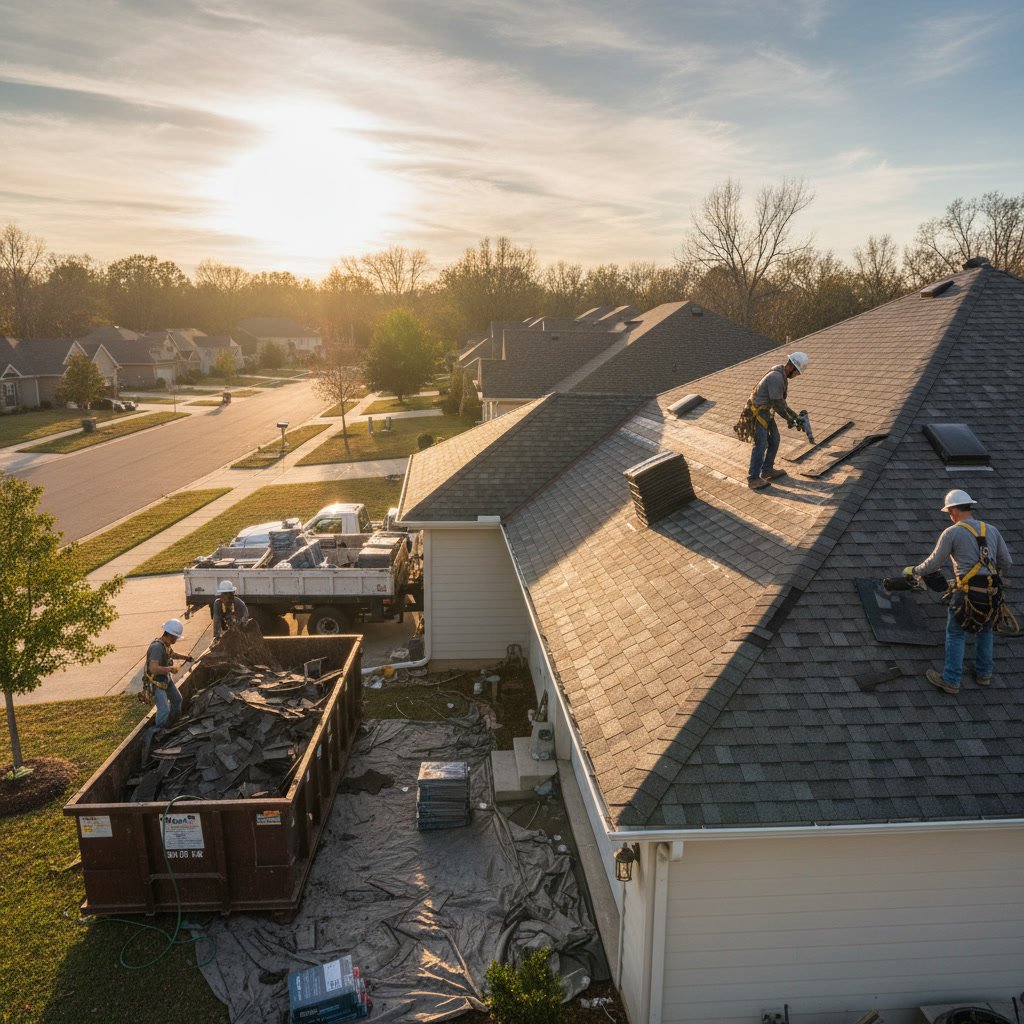
Your roof takes a beating from Ohio’s unpredictable weather. Summer storms bring heavy rain and high winds, while winter delivers snow, ice, and freezing temperatures that stress every shingle and seal. Between these extremes, your roof silently protects your home, but without a proper roof maintenance schedule, small problems grow into expensive emergencies. Most Dayton homeowners wonder how often they should inspect their roof, and the answer depends on several factors specific to our region’s climate and your property’s unique characteristics.
This guide explains exactly when you should schedule roof inspections, what factors affect your maintenance timeline, and how to protect your investment without overspending on unnecessary service calls.
The Standard Roof Maintenance Schedule for Dayton Homes
Most roofing professionals recommend scheduling professional roof maintenance twice per year. For Dayton properties, the ideal times are late spring and early fall. These seasonal inspections catch damage from winter storms and prepare your roof for the next round of harsh weather.
Spring inspections reveal winter damage. Ice dams, heavy snow loads, and freeze-thaw cycles can crack shingles, loosen flashing, and damage seals around vents and chimneys. Catching these issues in May or June prevents water intrusion during summer thunderstorms.
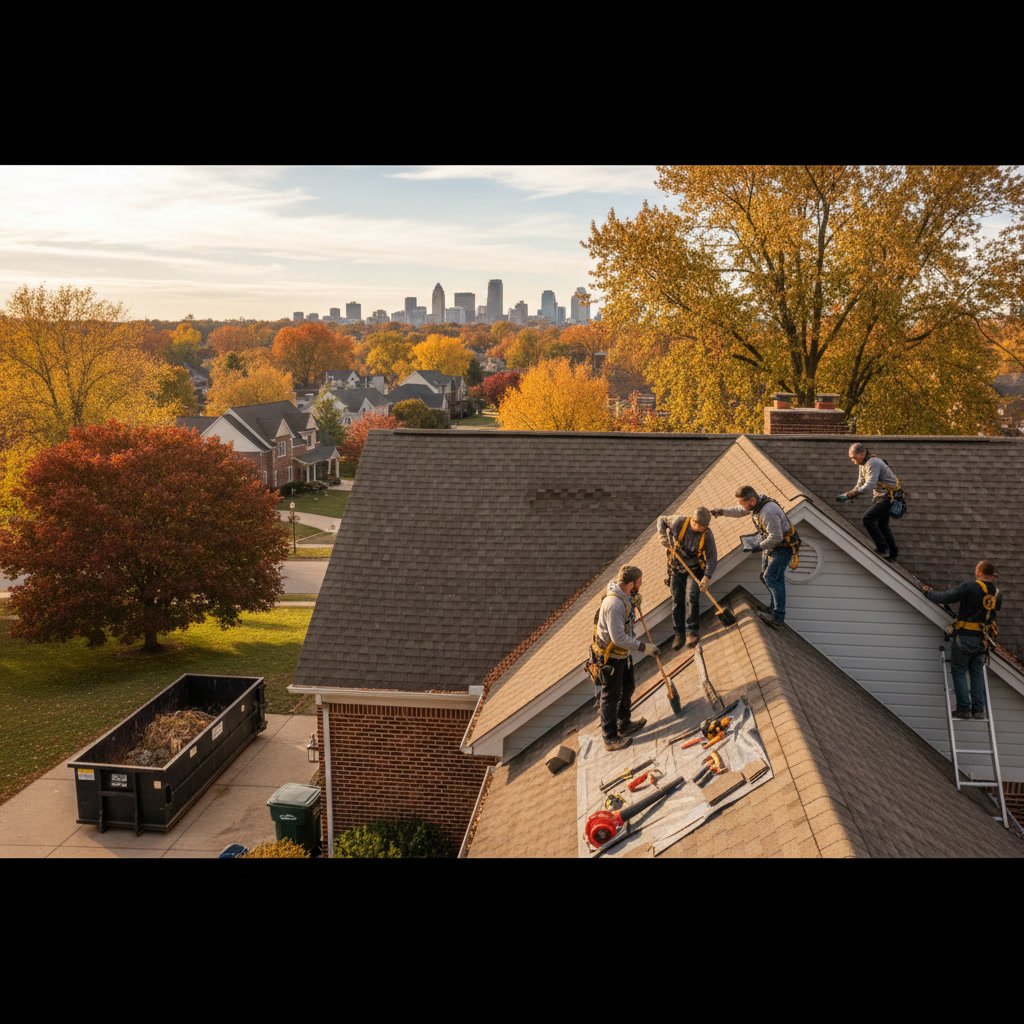
Fall inspections prepare your roof for winter. Before the first freeze, professionals check for loose or missing shingles, clean gutters of debris, and ensure proper attic ventilation. This September or October checkup prevents ice dams and reduces the risk of collapse from heavy snow accumulation.
When Your Property Needs More Frequent Inspections
Some roofs require attention more than twice per year. Age, materials, and exposure all affect how often you should schedule maintenance.
Older Roofs Demand Extra Attention
If your roof is over 15 years old, consider quarterly inspections instead of biannual checkups. Aging materials become brittle and lose their weather resistance. A 20-year-old asphalt roof in Centerville needs more monitoring than a five-year-old system because granule loss and UV damage accelerate over time.
Roofs approaching the end of their expected lifespan benefit from quarterly visual checks between professional inspections. Look for curling shingles, exposed nail heads, and algae growth. If you’re uncertain whether your roof needs repair or replacement, more frequent monitoring helps you make informed decisions before a failure occurs.
Commercial Properties Face Different Demands
Commercial roofing systems often require quarterly maintenance because they face more foot traffic from HVAC technicians and other service providers. Flat or low-slope commercial roofs common in Kettering and Beavercreek accumulate standing water, which accelerates membrane degradation and creates leak risks.
Businesses cannot afford unexpected closures from roof failures. A proactive roof maintenance schedule that includes quarterly inspections protects inventory, prevents operational disruptions, and often satisfies insurance requirements for commercial properties.
Weather Events Trigger Immediate Inspections
Schedule an inspection immediately after severe weather. High winds over 50 mph can lift shingles and damage flashing even if no visible problems appear from the ground. Hail larger than one inch in diameter often creates bruising invisible to untrained eyes but shortens roof life significantly.
After major storms, Dayton area roofers get busy quickly. Don’t wait weeks for an inspection if you suspect damage. Early detection prevents secondary problems like water intrusion and mold growth that multiply repair costs.
Pro Tip: Take photos of your roof from the same angle every season. Visual documentation helps you spot gradual changes that indicate maintenance needs, and insurance companies often require photographic evidence for storm damage claims.
How Roof Type Affects Your Maintenance Schedule
Different roofing materials demand different maintenance frequencies. Understanding your specific roof type helps you plan an appropriate schedule.
Asphalt Shingle Roofs
Asphalt shingles, the most common residential roofing in Ohio, perform well with twice-yearly inspections for the first 10 to 15 years. After year 15, increase frequency to three or four times annually. Check for granule loss in gutters, which signals aging shingles losing their protective coating.
Metal Roofing Systems
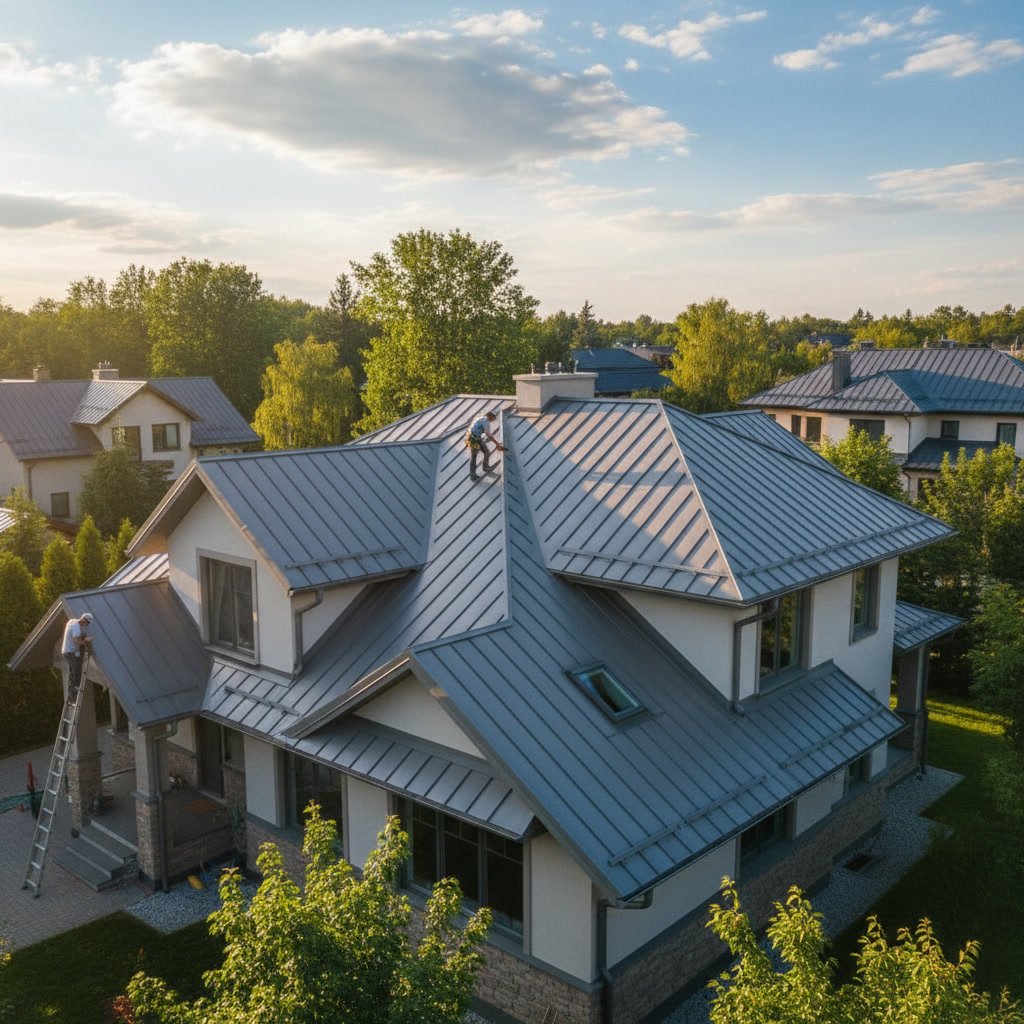
Metal roofing requires less frequent maintenance than asphalt but still benefits from annual professional inspections. Metal panels rarely fail suddenly, but fasteners and sealants deteriorate over time. Annual checkups ensure screws remain tight and panel overlaps stay sealed against Ohio’s driving rain.
Metal roofs often last 40 to 70 years with minimal maintenance, making them cost-effective for homeowners planning long-term ownership. However, skipping inspections entirely wastes this durability advantage. One loose fastener can allow wind-driven rain to penetrate insulation and decking.
Flat and Low-Slope Roofs
Flat roofs common on commercial buildings and some modern homes need quarterly inspections minimum. Ponding water, membrane seams, and roof drain function require regular monitoring. These roofs hide problems better than sloped systems, so small issues often become major leaks before property owners notice symptoms.
The Hidden Cost of Skipping Regular Maintenance
Property owners who skip regular inspections face significantly higher lifetime roofing costs. A missing shingle costs 50 to 150 dollars to replace during a scheduled maintenance visit. That same missing shingle, left unaddressed through a winter season, allows water to rot the decking beneath. Now you’re facing structural repairs costing thousands of dollars.
Insurance companies increasingly deny claims for damage that resulted from lack of maintenance. If an adjuster determines that deferred maintenance contributed to your roof failure, your policy may not cover the loss. Documentation from regular professional inspections proves you maintained your roof properly, strengthening insurance claims when legitimate storm damage occurs.
Regular gutter maintenance extends roof life significantly. Clogged gutters overflow during heavy rain, sending water under shingles and into fascia boards. This moisture causes rot, ice dams, and premature shingle failure. Twice-yearly gutter cleaning during roof inspections prevents these cascading problems.
Key Takeaway: Professional roof maintenance costs 200 to 500 dollars per visit for most residential properties. Compare this to emergency roof repair averaging 1,000 to 3,000 dollars, or full replacement running 8,000 to 25,000 dollars depending on size and materials.
What Happens During a Professional Roof Maintenance Visit
Understanding what professionals check during maintenance visits helps you evaluate service quality and prepare appropriate questions.
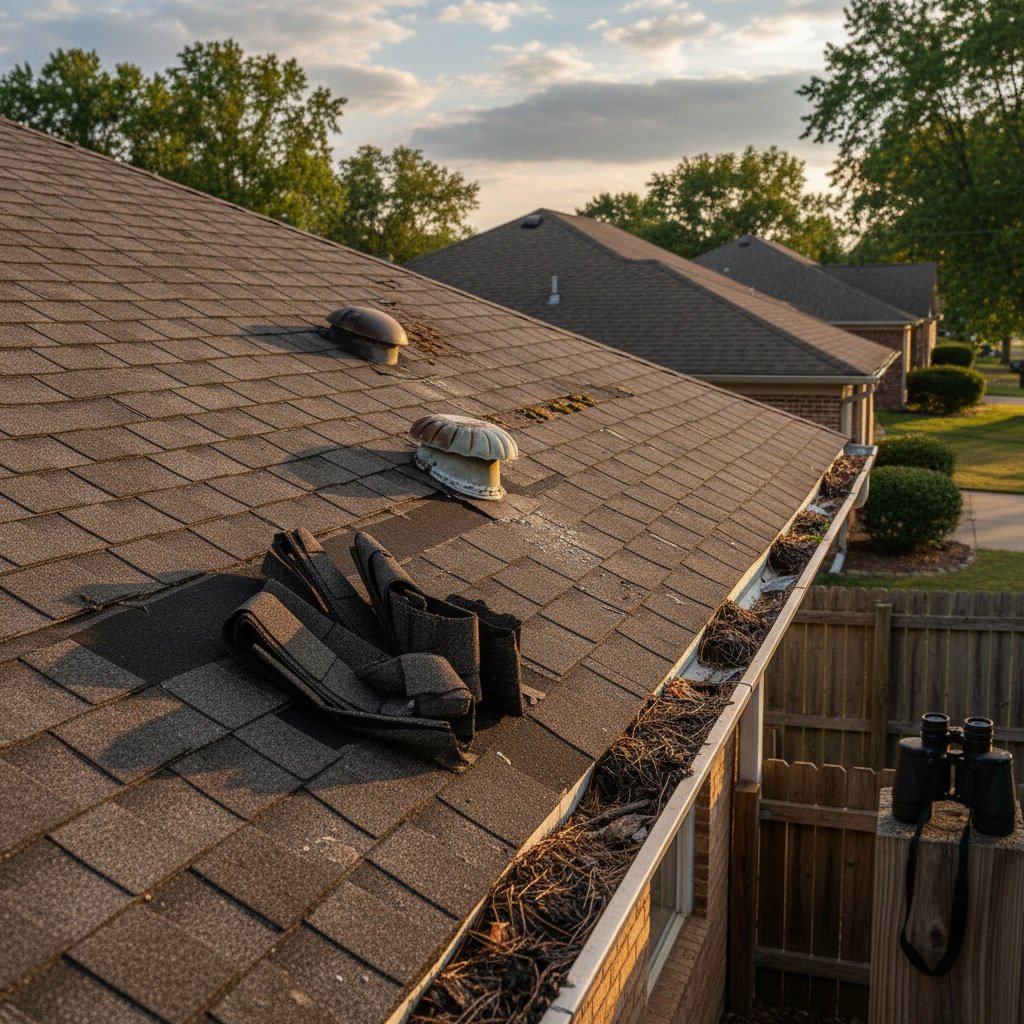
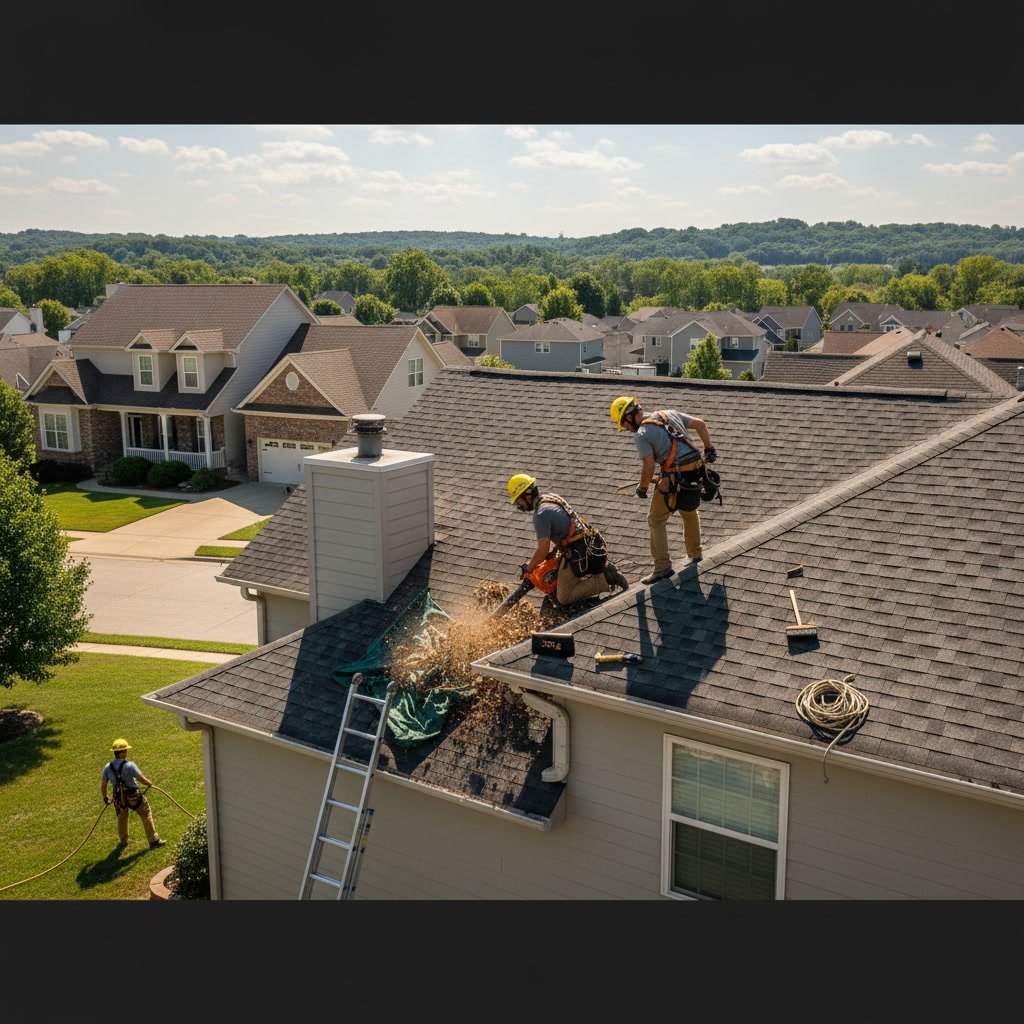
Experienced roofers inspect shingles for cracks, curling, and missing pieces. They examine flashing around chimneys, vents, and skylights where most leaks originate. Proper flashing creates watertight seals at these vulnerable transition points.
Professionals check attic ventilation and insulation. Poor ventilation traps moisture and heat, cooking your roof from beneath and shortening its lifespan by years. Adequate airflow keeps temperatures moderate and prevents ice dams in winter.
Maintenance visits include gutter inspection and cleaning. Roofers remove debris, check for proper slope toward downspouts, and ensure gutters attach securely to fascia boards. They also inspect downspout extensions to confirm water diverts away from your foundation.
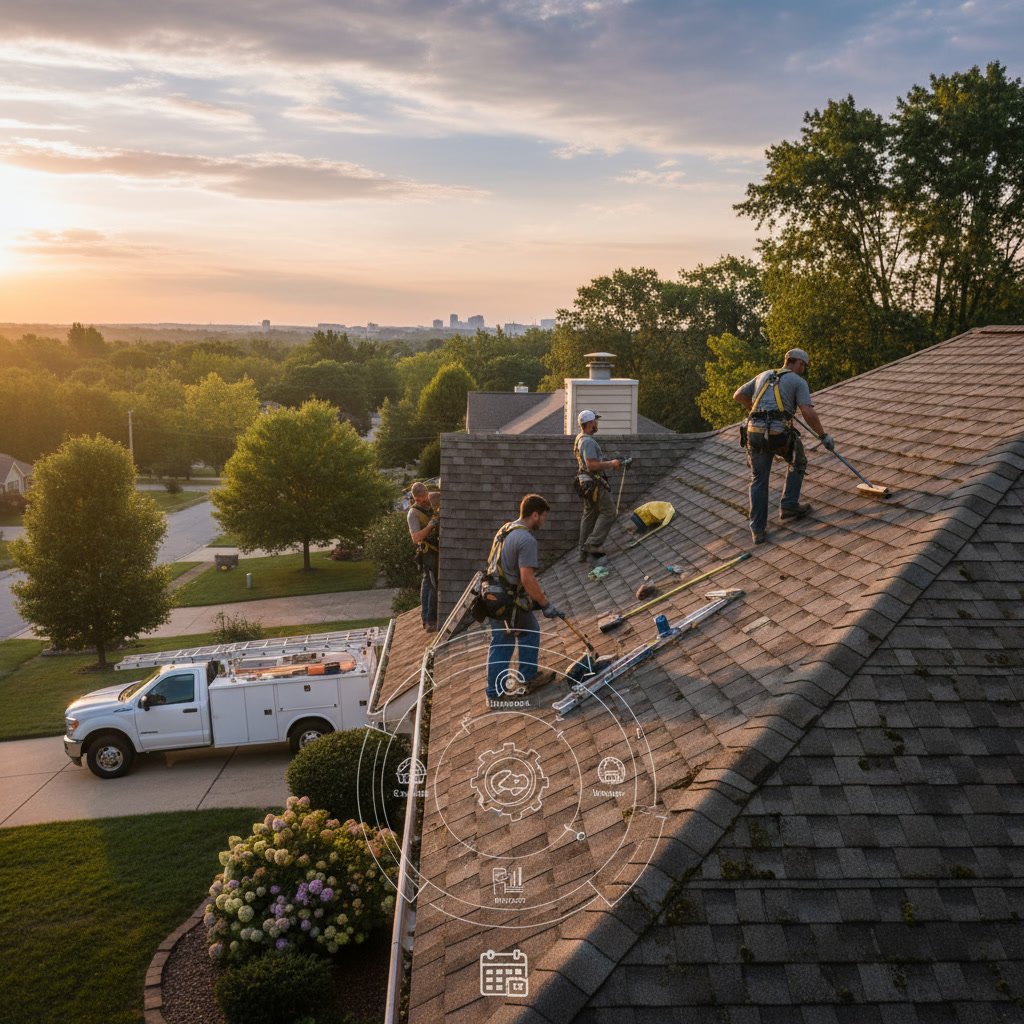
Quality contractors document their findings with photos and written reports. This documentation tracks your roof’s condition over time and provides evidence for insurance claims or future sale negotiations. Ask for this documentation after every maintenance visit.
DIY Monitoring Between Professional Inspections
Homeowners can perform basic visual checks between professional maintenance visits. From the ground using binoculars, look for obvious problems like missing shingles, sagging areas, or debris accumulation.
Check your attic during heavy rain. Active leaks appear as water stains, drips, or damp insulation. Catching leaks during rain helps professionals locate the source more quickly when they arrive for repairs.
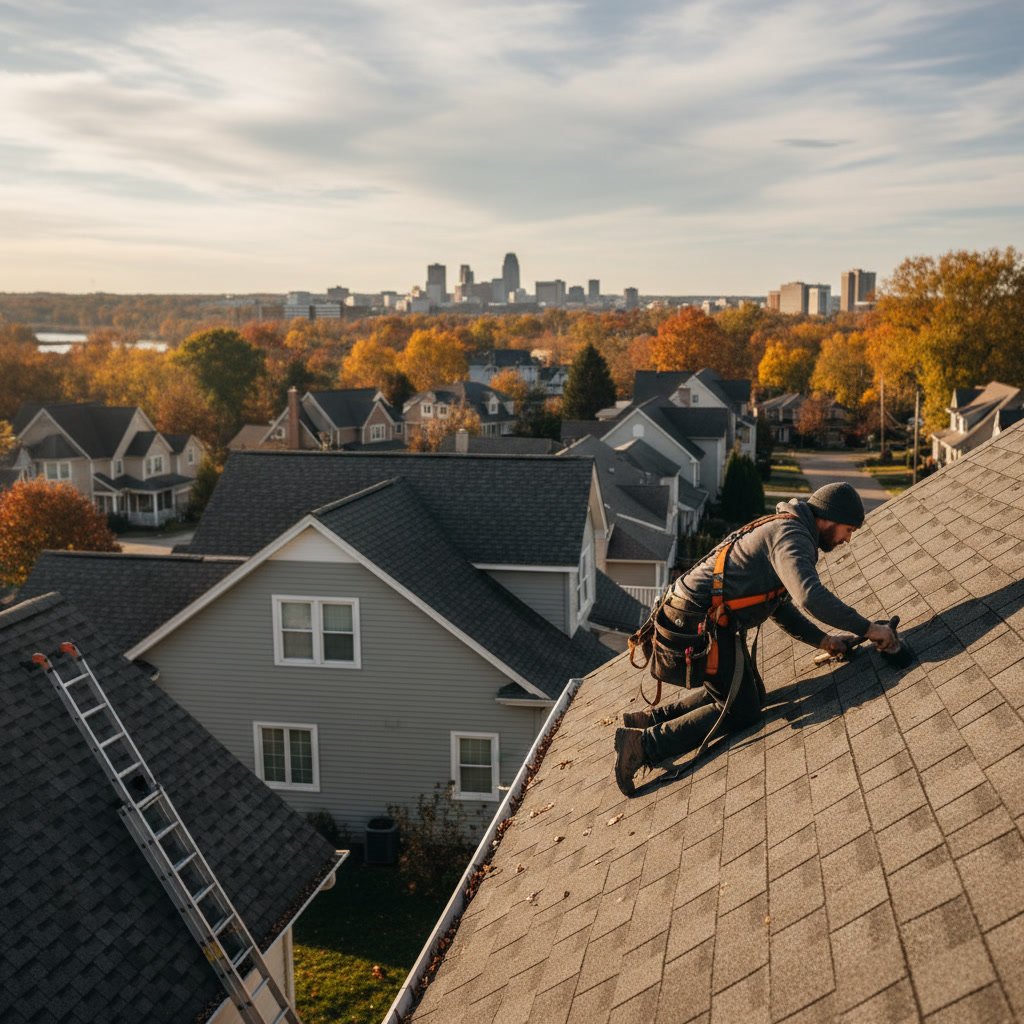
Never walk on your roof without proper safety equipment and training. Walking on shingles causes damage, especially on older or brittle materials. Falls from roofs cause serious injuries and deaths every year. Leave roof access to trained professionals with appropriate safety gear.
Monitor your ceilings for water stains, especially after storms. Brown or yellow stains indicate active or previous leaks. Address these immediately, as water damage spreads rapidly through insulation and drywall.
Regional Considerations for Dayton Area Properties
Dayton’s weather patterns create specific challenges that affect your roof maintenance schedule. Our region experiences temperature swings of 50 degrees or more within 24 hours during spring and fall. These rapid changes expand and contract roofing materials, stressing seals and fasteners.
Properties in Huber Heights, Vandalia, and northern suburbs face slightly more snow accumulation than southern communities like Bellbrook and Centerville. Homes in higher snow zones benefit from pre-winter inspections that verify structural capacity and proper attic insulation to prevent ice dams.
Wooded properties throughout the Dayton area deal with moss and algae growth from shade and organic debris. These organisms hold moisture against shingles, accelerating deterioration. Properties surrounded by trees need more frequent debris removal and may require treatments to prevent biological growth.
Creating Your Custom Roof Maintenance Schedule
Start by determining your roof’s age and material type. Roofs under 10 years old with asphalt shingles typically need only the standard twice-yearly inspections. Add a third annual inspection after year 10, and quarterly checks after year 15.
Factor in your property’s exposure. Homes surrounded by tall trees need more frequent debris removal. Properties on hilltops face stronger winds requiring more attention to shingle adhesion and flashing integrity.
Consider your roof’s history. If you’ve had repeated problems in specific areas, those spots warrant extra monitoring between full inspections. Persistent leaks around chimneys or valleys often indicate design issues that need ongoing attention until properly corrected.
Document your schedule in writing. Set calendar reminders for inspection appointments, and keep records of all maintenance performed. This documentation proves maintenance history to insurance companies and future buyers, protecting your investment.
Frequently Asked Questions
How much does roof maintenance cost in Dayton Ohio
Professional roof maintenance inspections typically cost 200 to 500 dollars for residential properties, depending on roof size and complexity. This service includes visual inspection, minor repairs like replacing a few shingles, gutter cleaning, and a written condition report. The cost is significantly lower than emergency repairs, which average 1,000 to 3,000 dollars, making scheduled maintenance a cost-effective investment.
Can I perform my own roof maintenance instead of hiring professionals
While you can perform ground-level visual checks and monitor for obvious problems, professional inspections offer value you cannot replicate. Experienced roofers spot subtle problems like failed sealants, early granule loss, and hidden damage that leads to expensive failures. They also have proper safety equipment and insurance coverage. Most homeowners should hire professionals for actual roof access while performing basic monitoring between visits.
What time of year is best for roof maintenance in Ohio
Late spring (May or June) and early fall (September or October) are ideal for roof maintenance in Ohio. Spring inspections catch winter damage before summer storms, while fall checkups prepare your roof for harsh winter weather. Avoid scheduling during extreme heat or cold when roofing materials are most brittle or when ice and snow prevent safe roof access.
Does homeowners insurance cover roof maintenance
Standard homeowners insurance policies do not cover routine maintenance, which insurers consider a normal ownership responsibility. However, maintaining your roof properly is essential for claim approval when storm damage occurs. Insurance companies can deny claims if they determine that neglected maintenance contributed to the failure. Keep records of all maintenance performed to support future insurance claims.
How long does a roof maintenance inspection take
Most residential roof maintenance inspections take one to three hours depending on roof size, complexity, and accessibility. This includes exterior inspection, attic examination, gutter cleaning, minor repairs, and documentation. Larger homes or properties with multiple roof levels may require additional time. Commercial property inspections often take longer due to greater square footage and more complex drainage systems.
Protect Your Investment With Consistent Care
A well-planned roof maintenance schedule protects your home from weather damage, extends your roof’s lifespan, and prevents expensive emergency repairs. Most Dayton area properties need professional inspections twice yearly, with increased frequency for older roofs, commercial buildings, and properties with previous problem areas. The modest cost of regular maintenance delivers substantial savings compared to premature replacement or extensive repairs from neglected damage.
Eco Roofing provides comprehensive roof maintenance services throughout Dayton and surrounding communities including Kettering, Beavercreek, Huber Heights, Fairborn, and Riverside. Our experienced team delivers thorough inspections, honest assessments, and quality repairs that extend the life of your roofing investment. Schedule your seasonal maintenance inspection by calling +19378301004 or visit our contact page to request your free estimate.