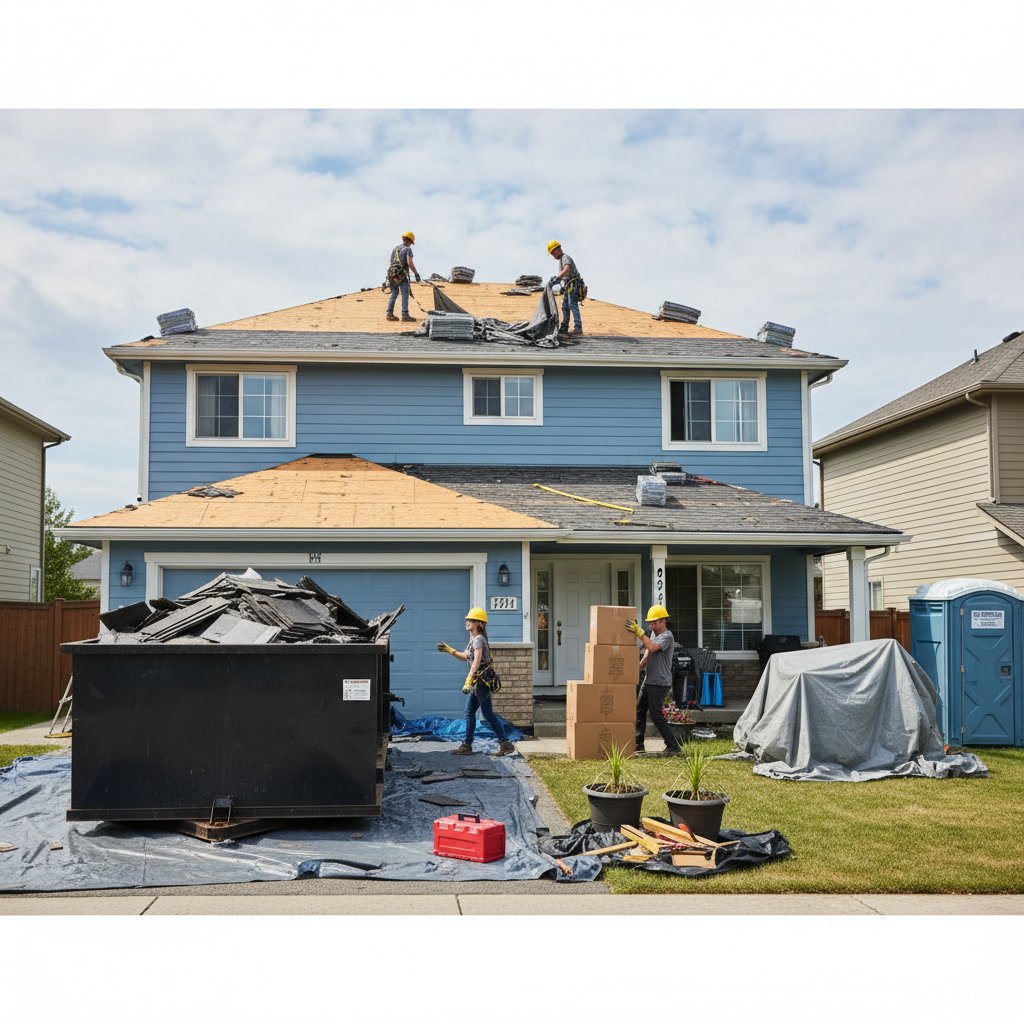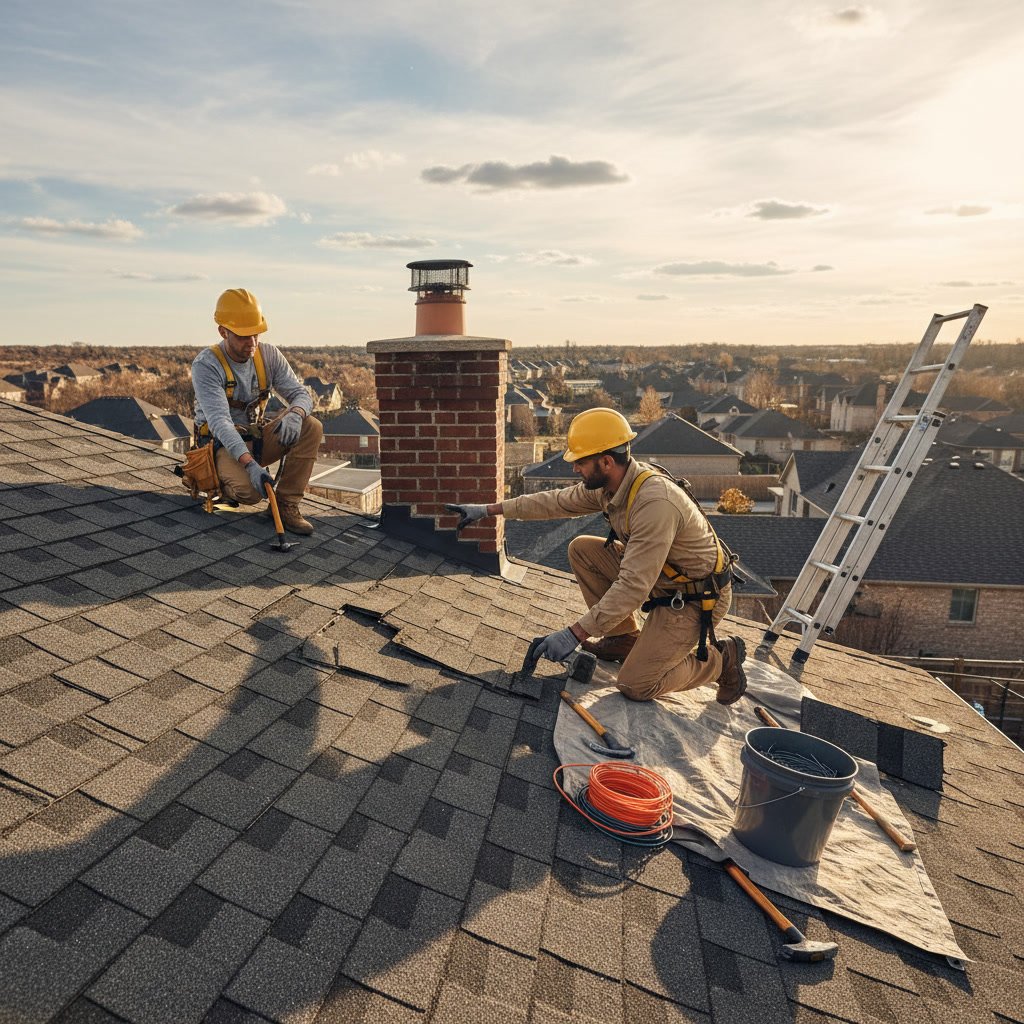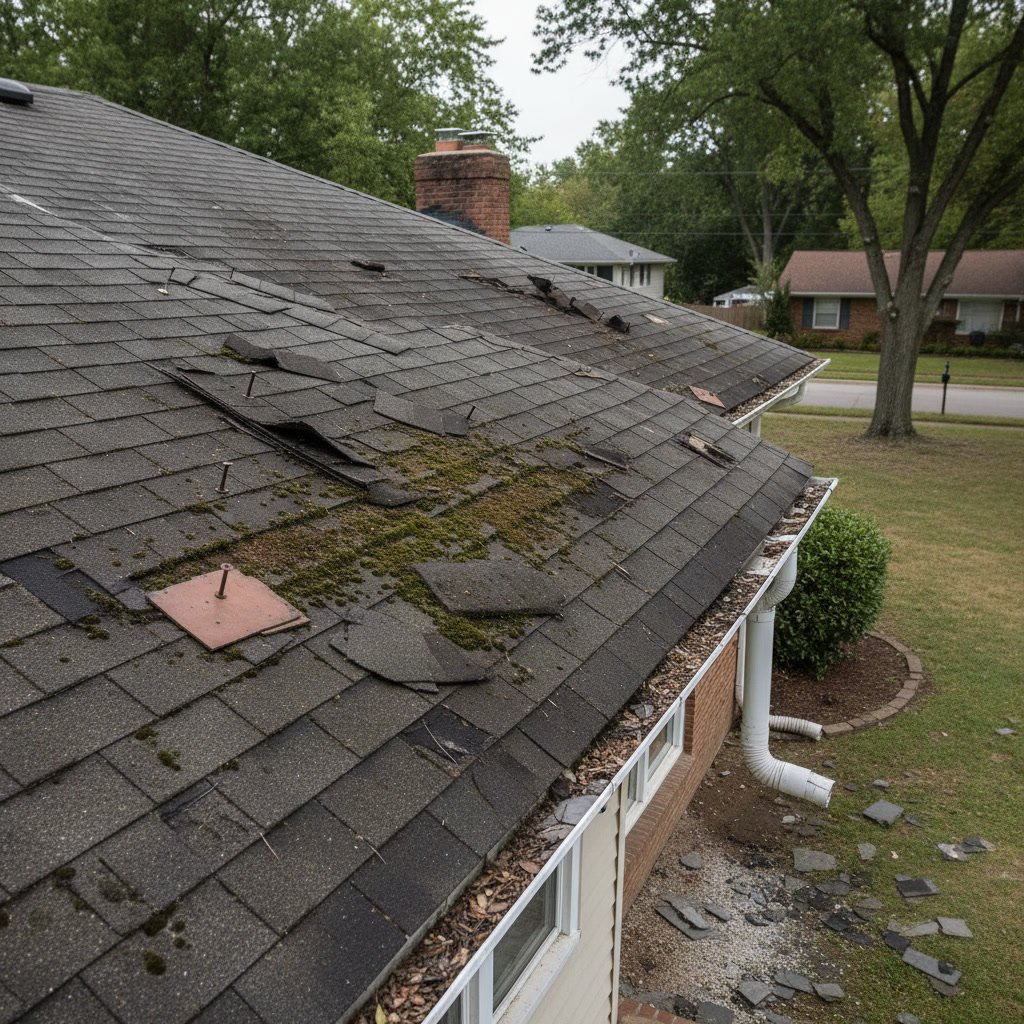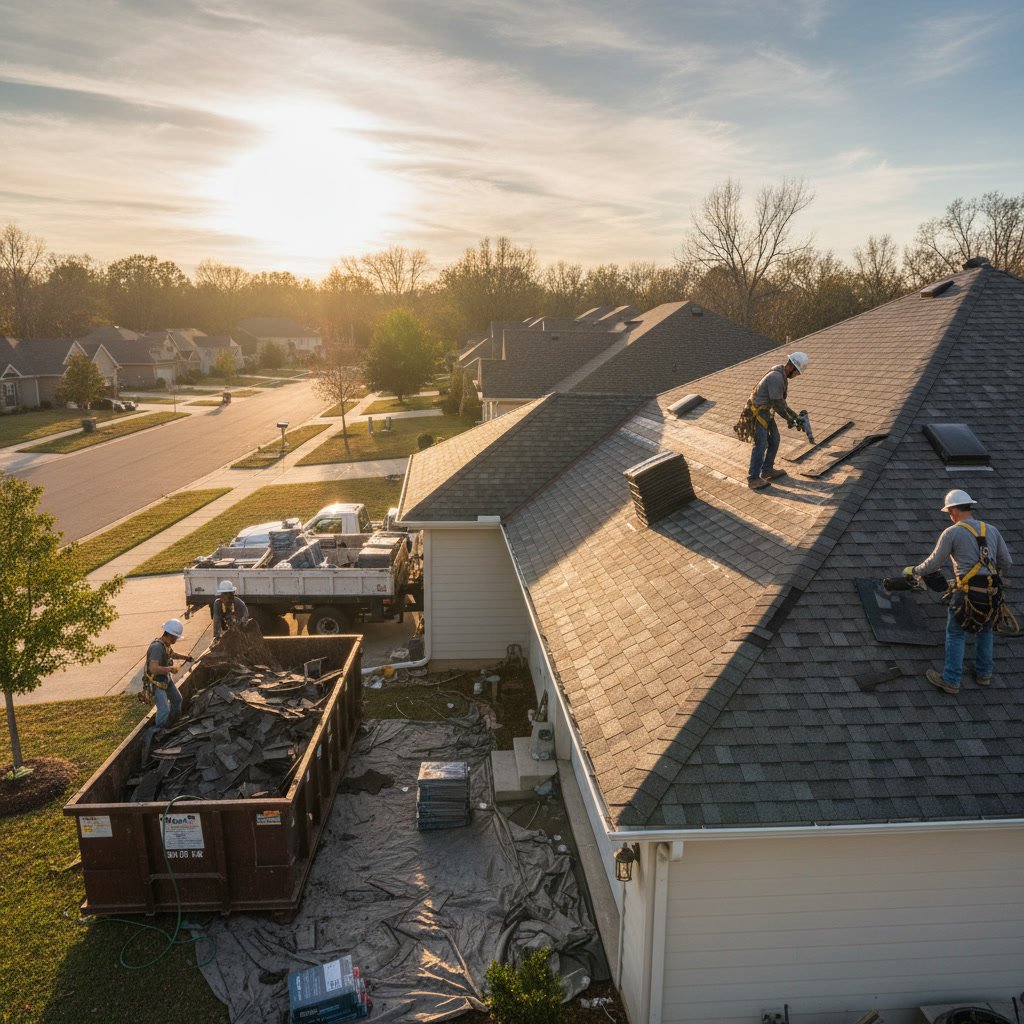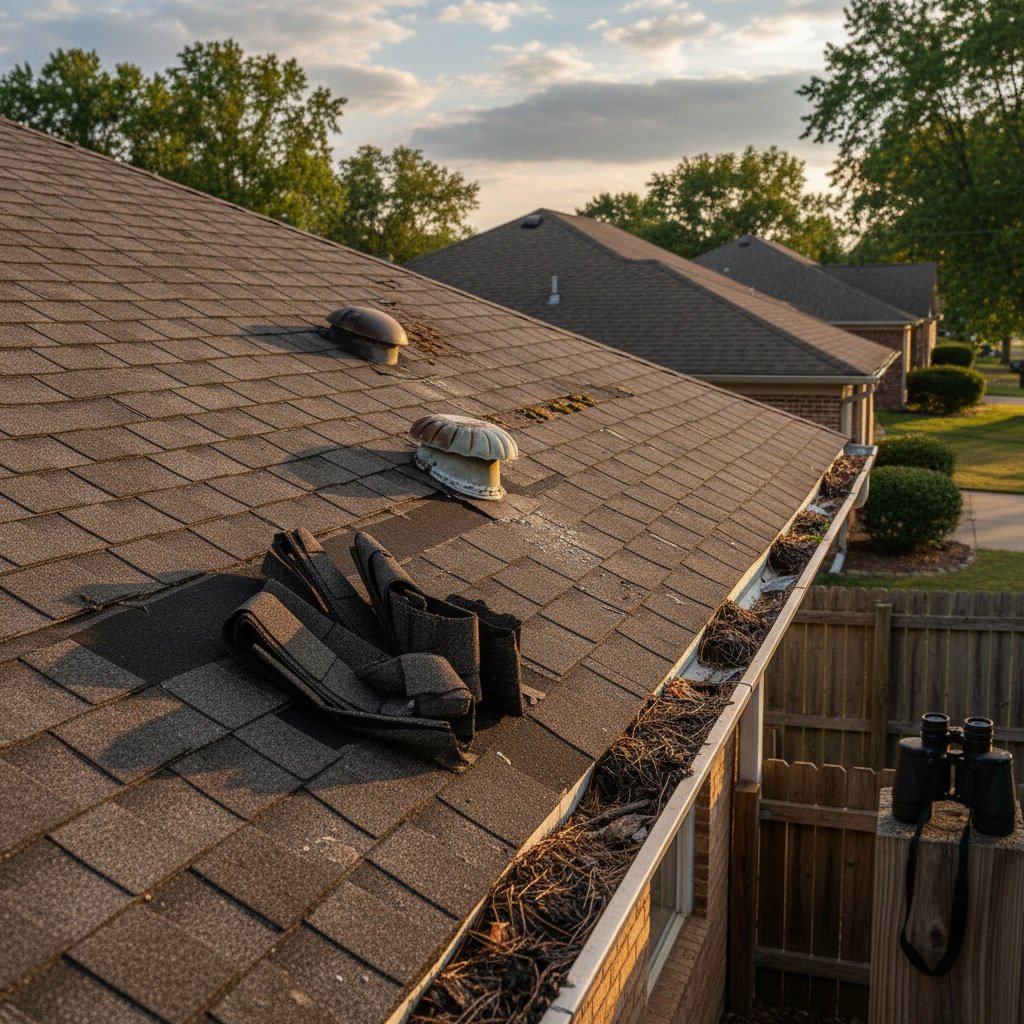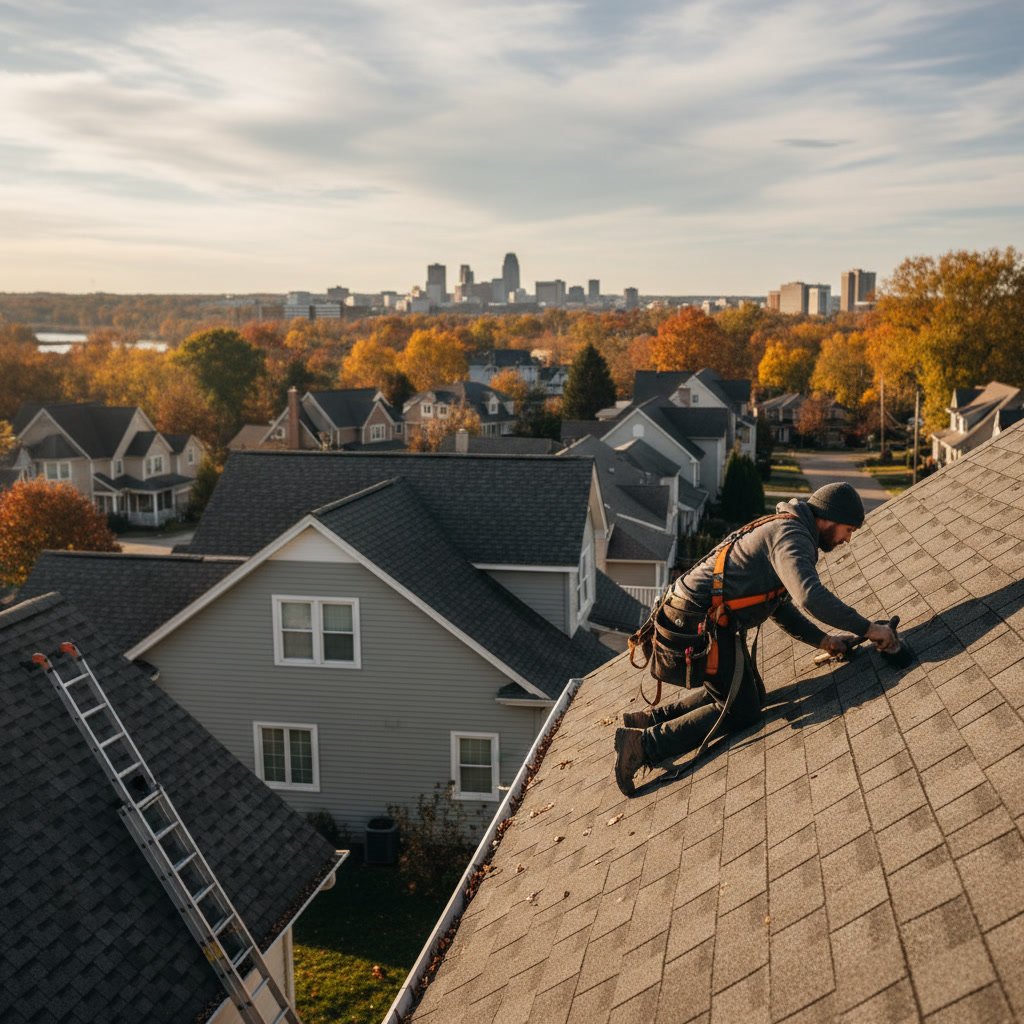

Your roof shows signs of serious wear, and repair quotes keep piling up. At some point, patching becomes more expensive than replacing, and you need real numbers. Understanding roof replacement cost Dayton OH homeowners typically face helps you plan your budget and avoid surprises when contractors start sending estimates.
This guide breaks down the actual costs you can expect for a complete roof replacement in the Dayton area, including material choices, labor rates, and the hidden factors that can push your final bill higher or lower. You’ll learn what drives pricing in Kettering, Beavercreek, Centerville, and surrounding communities, plus how to get accurate quotes for your specific home.
Average Roof Replacement Costs in Dayton
Most Dayton homeowners pay between $5,500 and $12,000 for a complete roof replacement on a typical single-family home. The wide range reflects differences in roof size, material choice, complexity, and the condition of your existing structure.
A standard 1,500 square foot ranch home with asphalt shingles typically costs $6,000 to $8,500 installed. Two-story homes with steeper pitches or more complex layouts run $8,000 to $11,000 for the same materials. Larger homes exceeding 2,500 square feet can easily reach $12,000 to $18,000.
These figures represent total project costs, including tear-off of old materials, new underlayment, shingles or other roofing material, flashing, ventilation components, and cleanup. Labor accounts for roughly 60% of the total, with materials making up the remaining 40%.
The roof replacement cost Dayton contractors quote depends heavily on your home’s specific characteristics. A simple gable roof costs significantly less per square foot than a hip roof with multiple valleys, dormers, or skylights that require careful flashing work.
Cost Breakdown by Roofing Material
Material choice creates the biggest price variation in roof replacement projects. Each option offers different lifespans, warranties, and aesthetic qualities that affect your long-term value.
Asphalt Shingles
Three-tab asphalt shingles cost $3.50 to $5.50 per square foot installed, making them the most economical choice. They last 15 to 20 years in Ohio’s climate and come in limited color options.
Architectural (dimensional) shingles run $4.50 to $7.00 per square foot. These thicker, more durable shingles last 25 to 30 years and provide better wind resistance and curb appeal. Most Dayton homeowners choose architectural shingles for the balance of cost and longevity.
Premium designer shingles that mimic slate or shake patterns cost $6.50 to $9.00 per square foot. They offer 30 to 50 year warranties and superior aesthetic appeal but represent a significant upfront investment.
Metal Roofing
Metal roofing systems cost $8.00 to $14.00 per square foot installed in the Dayton area. Standing seam metal roofs sit at the higher end of this range, while metal shingles or panels cost less.
The higher initial investment pays dividends through 40 to 70 year lifespans, excellent energy efficiency, and minimal maintenance requirements. Metal roofs also perform exceptionally well in severe weather, a consideration for Ohio homeowners who face occasional high winds and hail.
Other Materials
Composite synthetic roofing materials cost $7.00 to $12.00 per square foot. These products mimic slate, shake, or tile appearances while offering lighter weight and easier installation.
Genuine slate runs $15.00 to $30.00 per square foot and requires structural reinforcement on most homes. Cedar shake costs $8.00 to $14.00 per square foot but demands regular maintenance in humid climates like Ohio.
Factors That Affect Your Final Price
Beyond materials, several variables significantly impact the roof replacement cost Dayton homeowners actually pay. Understanding these factors helps you anticipate your real project cost.
Roof Size and Pitch
Roofing contractors measure in squares, with one square equaling 100 square feet. Your roof’s total square footage exceeds your home’s footprint due to pitch and overhang.
Steeper roofs require additional safety equipment, take longer to complete, and use more materials due to increased surface area. A 12/12 pitch (45-degree angle) costs 20% to 40% more than a 4/12 pitch on the same footprint.
Structural Issues
Rotten decking, damaged trusses, or inadequate ventilation add substantial costs. Plywood or OSB decking replacement runs $2.50 to $4.50 per square foot. Extensive rot can add $1,500 to $5,000 to your project.
Many homes built before 1980 have inadequate attic ventilation by modern standards. Adding ridge vents, soffit vents, or roof vents during replacement costs $300 to $800 but prevents premature shingle failure and reduces cooling costs.
Layers and Tear-Off
Most Dayton homes have one or two existing roof layers. Removing and disposing of old materials costs $1.00 to $1.50 per square foot for each layer. A home with two old roofs pays $200 to $400 more in disposal fees than a home with one layer.
Ohio building code limits most residential roofs to two layers total. If your home already has two roofs, complete removal becomes mandatory rather than optional.
Complexity and Features
Chimneys require reflashing, which costs $200 to $500 per chimney depending on size. Skylights need careful sealing and flashing work, adding $250 to $500 each to properly integrate with your new roof.
Multiple valleys, dormers, turrets, and complex angles increase labor hours. Homes with numerous penetrations or architectural features can cost 15% to 30% more than simple rectangular roofs of identical square footage.
Additional Costs to Consider
Several components beyond the basic roof surface affect your total investment. Many homeowners overlook these items when budgeting but discover them during the estimate process.
Gutters and Drainage
Roof replacement provides an ideal opportunity to upgrade or replace aging gutters. New aluminum gutters cost $4.00 to $9.00 per linear foot installed. Most homes need 120 to 200 feet, totaling $500 to $1,800.
Contractors remove gutters before roof work begins. If your existing gutters are damaged or outdated, replacing them simultaneously saves a second service call and ensures proper water management for your new roof.
Permits and Inspections
Kettering, Beavercreek, and most Dayton-area municipalities require building permits for roof replacement. Permit fees typically run $100 to $300. Reputable contractors include permit costs in their quotes and handle the application process.
Your local building department will inspect the completed work to verify code compliance. This protects you by ensuring proper installation techniques and adequate ventilation.
Upgrades and Extras
Ice and water shield barriers cost $150 to $400 beyond standard underlayment but provide critical protection in valleys and along eaves where ice dams form. Ohio’s freeze-thaw cycles make this upgrade worthwhile for most homes.
Upgraded synthetic underlayment costs $200 to $500 more than basic felt but offers superior tear resistance and weather protection. It’s especially valuable if you choose premium shingles with extended warranties, as many manufacturers require synthetic underlayment for full warranty coverage.
Drip edge flashing prevents water infiltration along roof edges and costs $2.00 to $3.00 per linear foot installed. Ridge cap shingles in colors that complement your field shingles add $150 to $400 but significantly improve appearance.
How to Get Accurate Quotes
Generic online calculators provide rough estimates but miss the specific factors that determine your actual roof replacement cost Dayton contractors will charge. Getting reliable quotes requires a more detailed approach.
Request in-person estimates from at least three licensed, insured roofing contractors. Phone quotes or estimates based on satellite imagery miss critical details like decking condition, ventilation inadequacies, and structural issues that only physical inspection reveals.
Ask each contractor to specify which materials they’re quoting. A quote using three-tab shingles will naturally cost less than one using architectural shingles, but you’re not comparing equivalent products. Verify the brand, product line, and warranty details for the materials in each estimate.
Pro Tip: Itemized quotes that break out materials, labor, disposal, and extras help you understand where your money goes and make meaningful comparisons between contractors. Avoid lump-sum quotes that hide important details.
Confirm what the quote includes. Does it cover new underlayment, ice and water shield, drip edge, and ridge vent installation? Will they replace damaged decking, and if so, at what cost? Clarifying these details upfront prevents disputes during the project.
Check contractor credentials carefully. Verify their license with your local building department, confirm they carry liability insurance and workers’ compensation coverage, and review recent customer feedback. The cheapest quote often comes from underinsured or inexperienced contractors who cut corners.
When to Replace vs. Repair Your Roof
The decision between repair and replacement significantly impacts your immediate costs and long-term value. Several factors help determine the right choice for your situation.
Age matters most. Asphalt shingle roofs approaching 20 years old make poor repair candidates. You’ll spend money on repairs now, then face full replacement within a few years anyway. Roofs under 10 years old with isolated damage usually benefit from targeted repairs.

Extent of damage determines repair feasibility. Isolated storm damage affecting 10% of your roof costs $500 to $1,500 to fix. Widespread deterioration, multiple leaks, or systemic failures like poor ventilation require complete replacement to solve the underlying problems.
Calculate the cost ratio. If repairs exceed 30% of replacement cost, replacement makes better financial sense. A $2,000 repair on a roof that will cost $7,000 to replace in two years wastes money compared to replacing now.
Consider your timeline in the home. If you’re selling within a year, strategic repairs might suffice. If you’re staying five to ten years or longer, replacement provides better value and eliminates ongoing maintenance headaches.
Financing and Payment Options
Most homeowners don’t keep $8,000 to $12,000 readily available for unexpected roof replacement. Several financing approaches help manage the cost.
Home equity loans or HELOCs typically offer the lowest interest rates for major home improvements. If you have equity available, these options provide affordable long-term financing with potential tax benefits.
Many roofing contractors partner with financing companies that specialize in home improvement loans. These programs offer quick approval and convenient payment plans, though interest rates vary widely. Compare terms carefully and read the fine print regarding deferred interest promotions.
Homeowner’s insurance covers roof replacement when storm damage causes the failure. Document damage thoroughly with photos, file claims promptly, and understand your policy’s coverage limits and deductible. Insurance rarely covers replacement due to age-related wear.
Property tax financing programs in some Ohio municipalities allow you to finance energy-efficient improvements through your property tax bill. Metal roofing and other efficiency upgrades may qualify for these favorable terms.
Seasonal Pricing Considerations
The roof replacement cost Dayton homeowners pay can vary by season due to demand fluctuations and weather constraints. Understanding these patterns can help you time your project strategically.
Spring and fall represent peak roofing seasons in Ohio. Mild temperatures and lower precipitation create ideal working conditions, but high demand means contractors are booked weeks or months ahead. You’ll pay standard rates but face longer wait times.
Summer brings hot conditions that make roofing work challenging but still feasible. Contractors maintain full schedules, and pricing remains consistent with spring rates. Expect crews to start early in the day to avoid afternoon heat.
Winter installations cost 10% to 15% less in some cases as contractors offer discounts to maintain steady work. Modern shingles can be installed in cold weather with proper techniques, but freezing temperatures and snow limit working days. Only consider winter installation if your roof is failing and you can’t wait until spring.
Late winter (February through early March) offers a sweet spot for quotes. Contractors are scheduling spring work and may offer incentives to fill their calendars early. You’ll secure reasonable rates and preferred timing without the premium of emergency service.
Frequently Asked Questions
How long does a roof replacement take in Dayton?
Most residential roof replacements in Dayton take one to three days depending on size and complexity. A typical single-story home with architectural shingles takes one to two days. Two-story homes or complex layouts may require two to four days, while metal roofing installations take three to five days.
Will my homeowner’s insurance cover roof replacement costs?
Insurance covers roof replacement only when damage results from covered perils like wind, hail, or falling trees. Age-related wear, poor maintenance, and gradual deterioration aren’t covered. If storm damage occurs, document it immediately with photos and file a claim within your policy’s required timeframe.
Do I need to replace my roof if it’s only leaking in one spot?
Not necessarily. Isolated leaks on roofs under 15 years old often require only localized repairs costing $300 to $800. However, if your roof is over 20 years old, shows widespread wear, or has multiple problem areas, replacement prevents recurring issues and provides better long-term value.
What’s the best roofing material for Ohio weather?
Architectural asphalt shingles rated for high wind resistance offer the best value for most Dayton homeowners. They handle freeze-thaw cycles well, cost less than premium materials, and last 25 to 30 years. Metal roofing excels in severe weather and offers superior longevity but costs significantly more upfront.
Can I install a new roof over my existing shingles?
Ohio code allows up to two total roof layers, so you can install over one existing layer in some cases. However, this approach hides potential decking damage, adds weight to your structure, and may void manufacturer warranties. Complete tear-off provides better results and allows inspection of the entire roof system.
Getting Started with Your Roof Replacement
Understanding the roof replacement cost Dayton area homeowners face helps you budget appropriately and make informed decisions about materials, timing, and contractor selection. Most homes in Kettering, Beavercreek, Centerville, and surrounding communities will invest between $6,000 and $12,000 for quality work that protects their home for decades.
The right contractor makes all the difference in project outcome and final cost. Eco Roofing serves Dayton, Huber Heights, Fairborn, Riverside, Bellbrook, Xenia, Vandalia, Miamisburg, and throughout the region with comprehensive roof replacement services. Our team provides detailed estimates that break down all costs clearly, uses quality materials backed by solid warranties, and completes projects on schedule.
Call +19378301004 to schedule your free roof inspection and detailed estimate. We’ll assess your roof’s condition, explain your options, and provide a clear quote that covers every aspect of your project, so you can move forward with confidence.