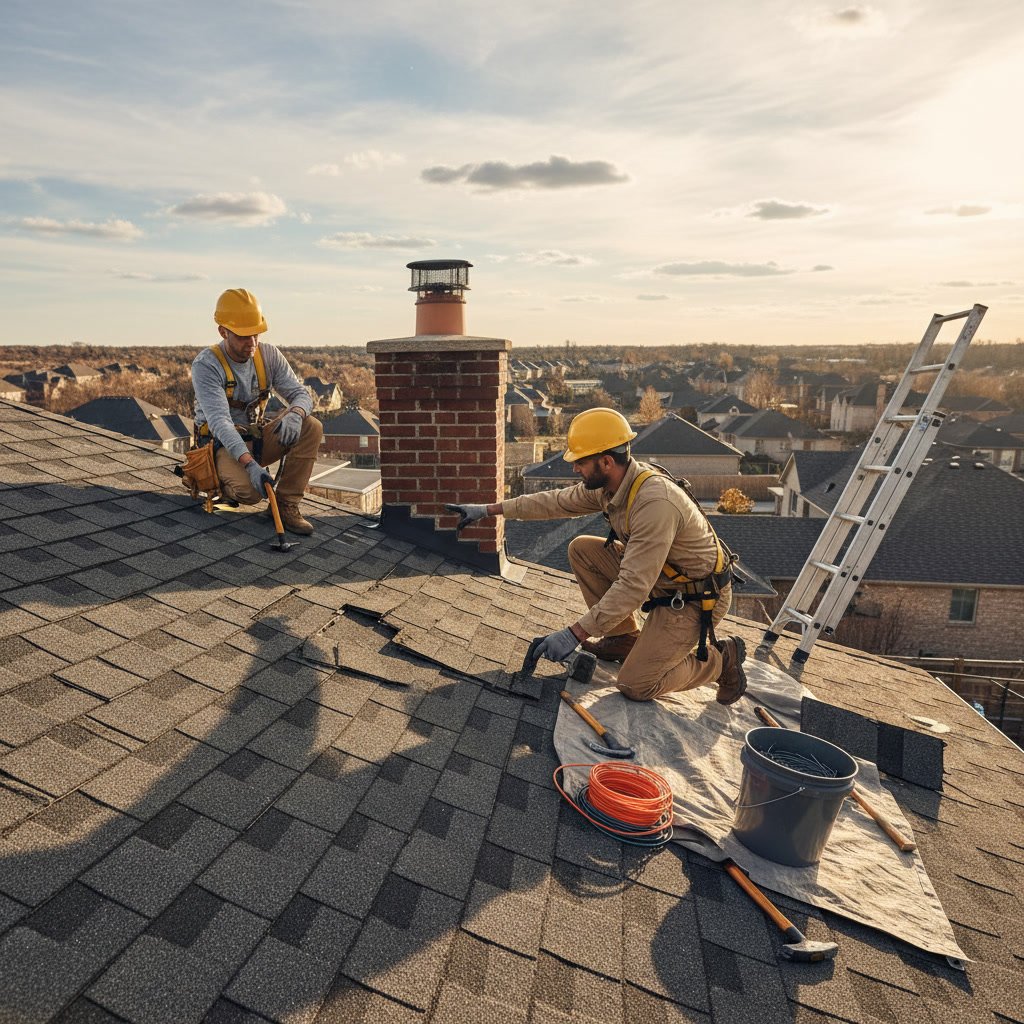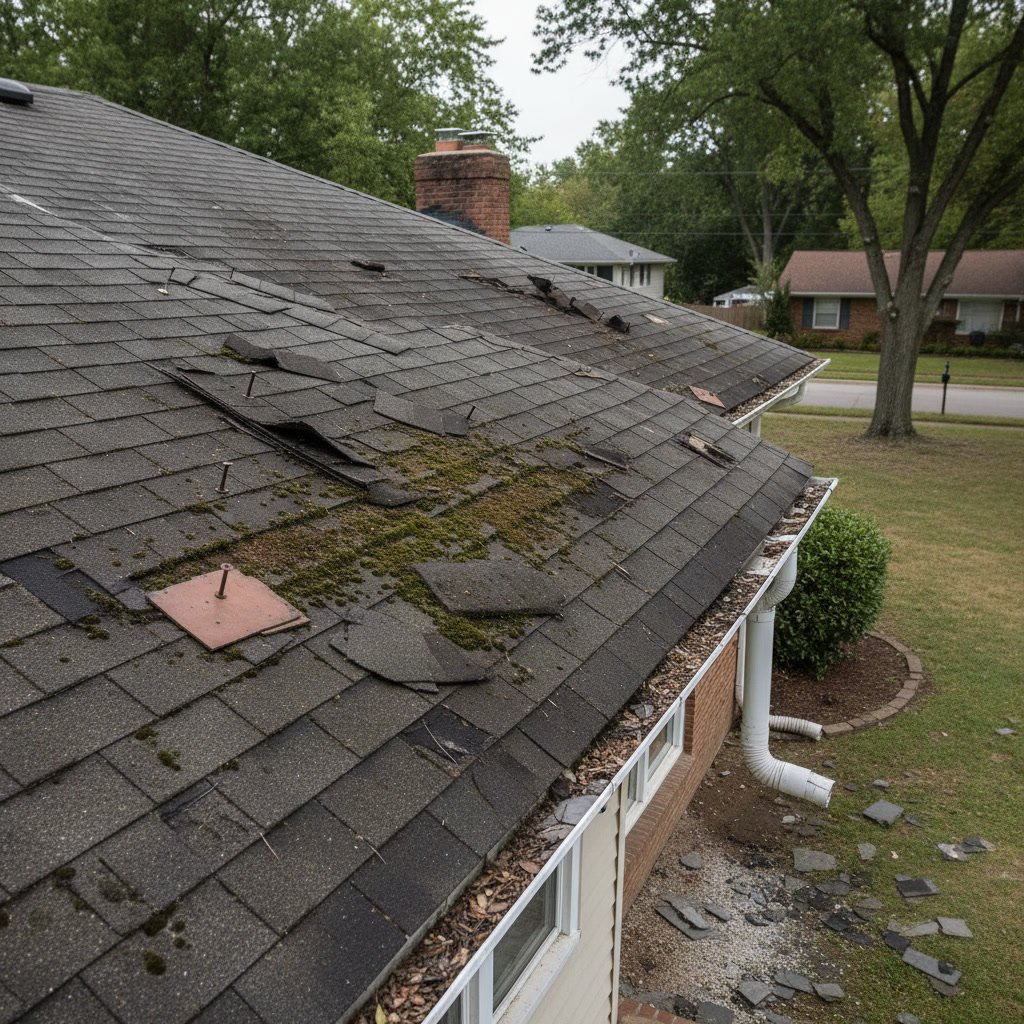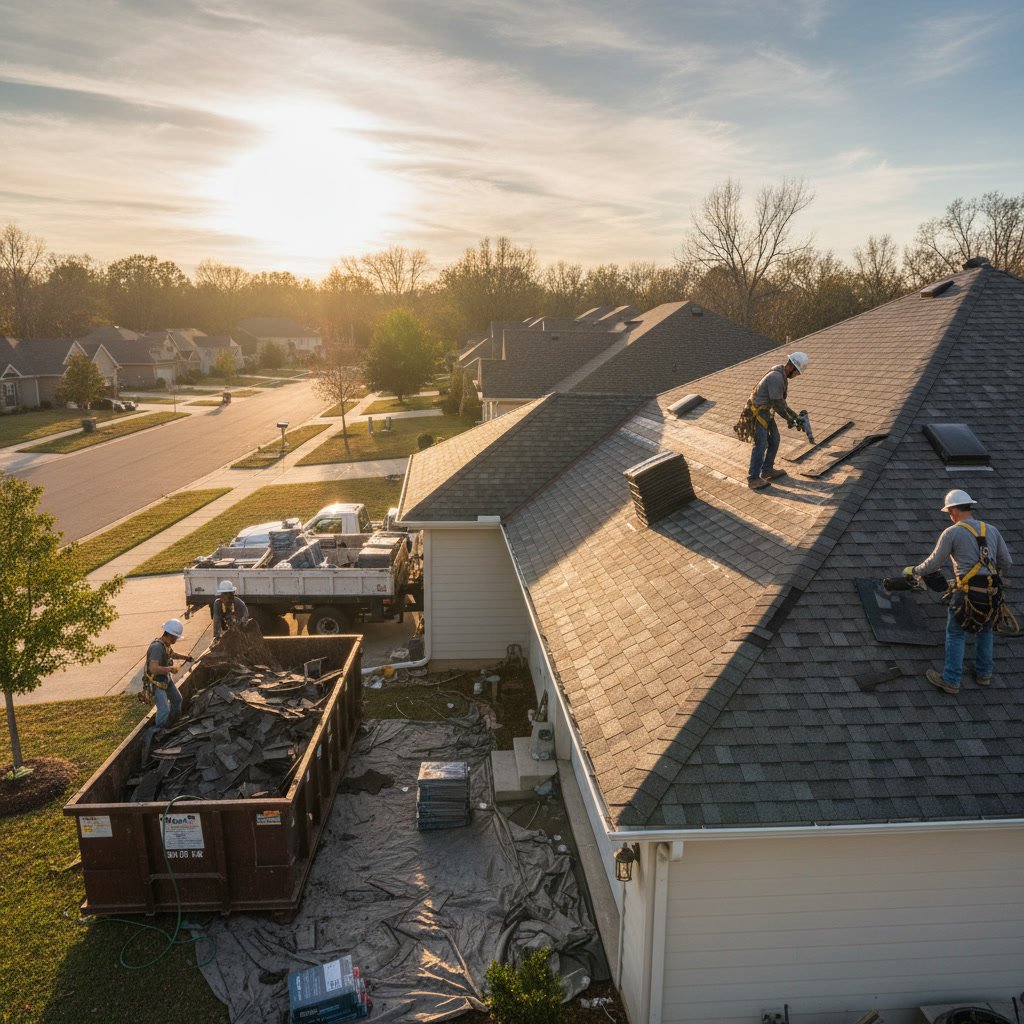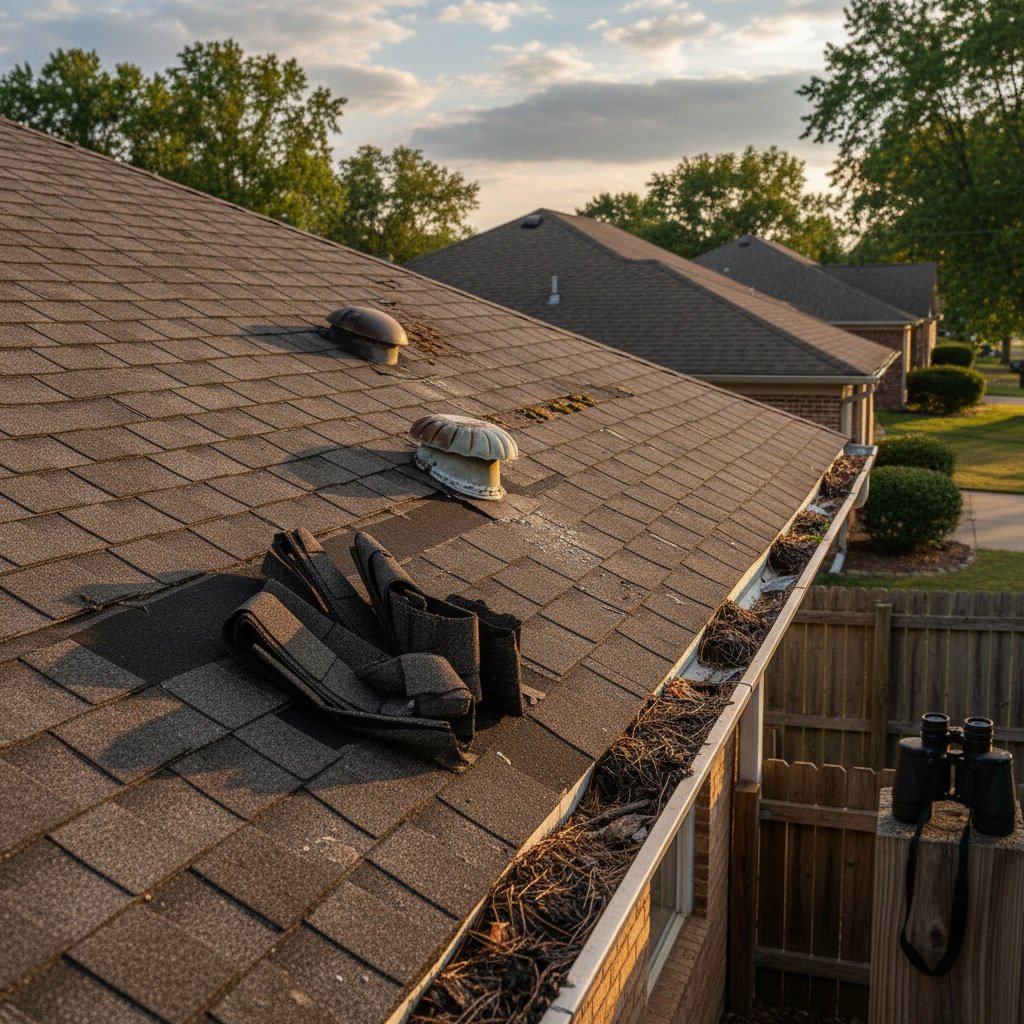

A successful roof replacement begins long before the first shingle is removed. To prepare for roof replacement properly, homeowners should protect their property, secure loose items, clear access around the home, and communicate with their contractor about timing and logistics. Taking these steps reduces the risk of damage, speeds up the installation process, and helps ensure a smooth project from start to finish.
Why Preparation Matters for Major Roofing Projects
Roof replacement involves heavy equipment, falling debris, and significant activity around your home. Without proper preparation, you risk damage to landscaping, vehicles, outdoor furniture, and even the interior of your home. Vibrations from tearing off old materials can shake walls and ceilings, potentially dislodging items or causing cracks in delicate finishes.
Taking time to prepare protects your investment and makes the contractor’s job easier. When the work site is clear and organized, crews can move faster and focus on quality workmanship rather than navigating obstacles. This efficiency often translates to shorter project timelines and fewer disruptions to your daily routine.
Understanding the Timeline and Scope of Work
Most residential roof replacements take between one and three days, depending on the size of your home, the complexity of the roof design, and weather conditions. Before work begins, your contractor should provide a detailed schedule that outlines each phase of the project, from tear-off to final cleanup.
Understanding what happens each day helps you plan accordingly. The tear-off phase is the loudest and messiest, often generating significant noise and vibration. The installation phase is quieter but still involves constant activity overhead. Knowing when these phases occur allows you to schedule work-from-home days, arrange for pets to stay elsewhere, or plan errands during the noisiest periods.

Protecting Your Landscaping and Outdoor Spaces
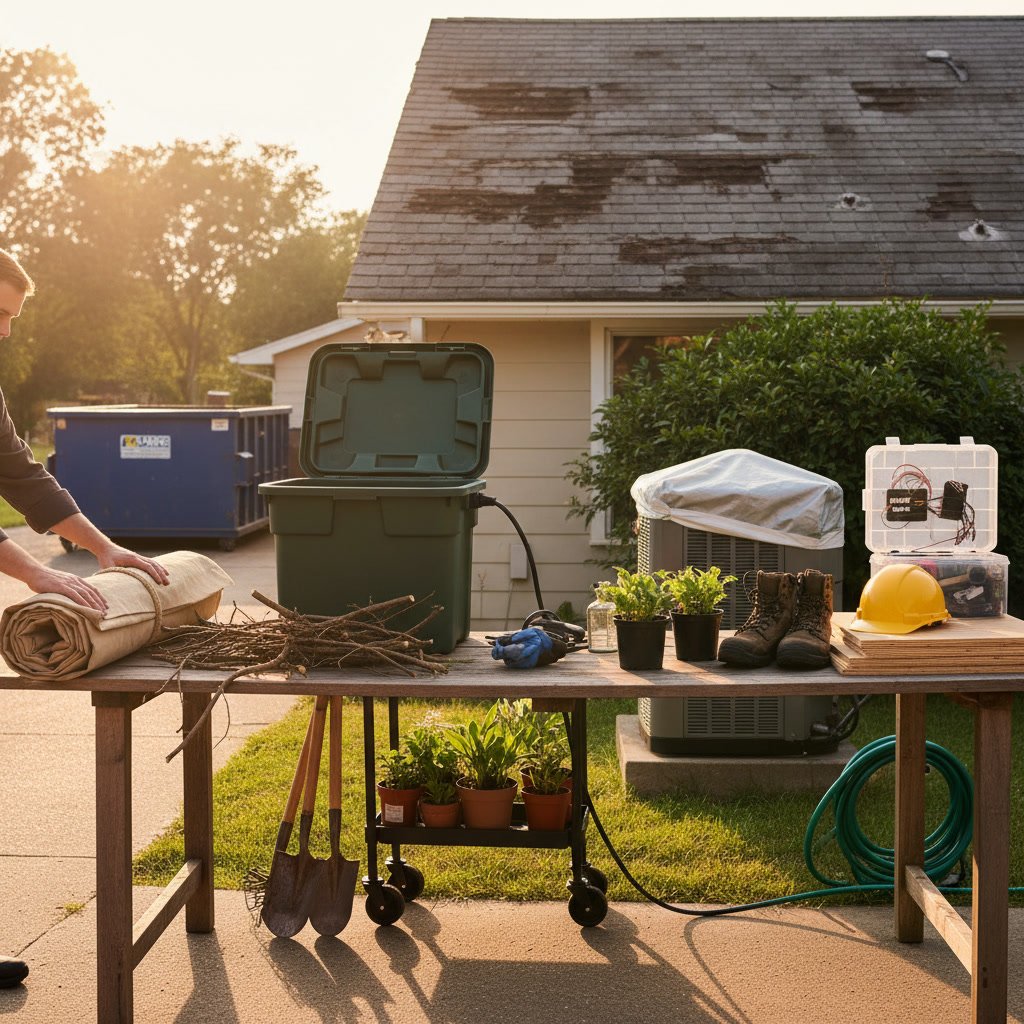
Falling shingles, nails, and debris can damage plants, outdoor furniture, and decorative features. Move potted plants, garden ornaments, and furniture at least 15 feet away from the house perimeter. If you have delicate shrubs or flower beds near the foundation, ask your contractor about using plywood sheets or tarps to create a protective barrier.
Trim back any tree branches within six feet of the roof. This creates safer access for workers and prevents branches from interfering with material delivery or debris removal. Overgrown vegetation can also hide damage or make it harder for crews to inspect and repair underlying structures.
Cover pool areas or water features with heavy tarps to keep debris out. Cleaning nails and shingle fragments from a pool is time-consuming and potentially damaging to filtration systems.
Clearing the Interior and Attic Space
Vibrations from hammering and tearing off old materials can dislodge items throughout your home, especially on upper floors and in the attic. Remove or secure wall hangings, picture frames, mirrors, and shelves in rooms directly below the roof. Wrap fragile items in bubble wrap or move them to lower levels.
Clear your attic of stored items if possible. Contractors may need attic access to inspect decking, ventilation, or structural elements. Keeping the space clear also protects your belongings from dust and debris that can filter down during tear-off. If you cannot remove everything, at least cover stored items with heavy plastic sheeting.
One expert-level insight often overlooked is securing ceiling fan light fixtures and chandelier crystals. Vibrations can loosen mounting screws or cause decorative elements to fall. Tighten all screws and temporarily remove delicate crystals or glass shades until work is complete.
Planning Vehicle and Driveway Access in Kettering
Roofing crews need clear access to your driveway and the area around your home for equipment, material deliveries, and dumpster placement. Park vehicles on the street or in a garage during the project to avoid damage from falling debris or accidental contact with equipment.
A large dumpster will typically be placed in your driveway for several days. Discuss placement with your contractor to ensure it does not block access to your garage or interfere with neighbors’ driveways. If your property has limited space, coordinate with neighbors about temporary parking arrangements.
Material deliveries often involve large trucks and forklifts. Ensure delivery drivers can safely access your property without damaging lawn areas, mailboxes, or underground utilities. Mark sprinkler heads and septic system components with flags so crews can avoid them.
Step-by-Step Checklist for Homeowners
Follow this checklist in the days before your roof replacement begins:
- Move vehicles out of the driveway and away from the house perimeter
- Relocate outdoor furniture, grills, and decorations at least 15 feet from the foundation
- Cover or move potted plants and protect delicate landscaping with tarps or plywood
- Remove wall hangings, mirrors, and fragile items from upper floors and rooms below the roof
- Secure or tighten ceiling fans, chandeliers, and light fixtures
- Clear attic space or cover stored items with plastic sheeting
- Trim overhanging tree branches within six feet of the roof
- Mark underground utilities, sprinkler heads, and septic systems with flags
- Arrange alternative locations for pets during noisy work hours
- Inform neighbors about the project timeline and potential disruptions
If you are unsure whether you have made the right choice between repair and replacement, reviewing guidance on when your roof needs repair versus full replacement can help confirm your decision before starting preparations.
Managing Noise and Disruptions During Installation
Roof replacement is loud. Hammering, power tools, and heavy footsteps overhead create constant noise during work hours. If you work from home, consider relocating to a quieter space for the duration of the project. Libraries, coffee shops, or a friend’s home can provide temporary relief.
Pets and young children are often stressed by the noise and activity. Arrange for pets to stay with friends, family, or a boarding facility during the loudest phases. If children are home, set up activities in a room farthest from the work area and explain what is happening to reduce anxiety.
Dust and debris can enter your home through vents and small gaps. Close windows and vents on the side of the house where work is happening. Run air purifiers if you have them, and plan to do a thorough cleaning once the project is complete.
Communicating with Your Contractor
Open communication with your roofing team prevents misunderstandings and keeps the project on track. Confirm the start date, daily work hours, and expected completion timeline at least one week in advance. Ask about contingency plans if weather delays occur.
Discuss specific concerns unique to your property, such as fragile landscaping, a home security system that might be triggered by vibrations, or a home-based business that requires quiet hours. Most contractors are willing to accommodate reasonable requests when given advance notice.
Confirm who will be responsible for final cleanup and debris removal. Reputable contractors include thorough cleanup in their contracts, using magnetic tools to collect stray nails and inspecting the property for leftover materials. If you need gutter installation or replacement alongside your roof work, coordinate the timing so both projects proceed smoothly without duplicating setup and cleanup efforts.
Preparing for Weather and Unexpected Delays
Ohio weather is unpredictable, and even the best-planned projects can face delays due to rain, high winds, or extreme temperatures. Your contractor should monitor forecasts closely and adjust schedules as needed. Understand that safety comes first, and rushing work in poor conditions leads to mistakes and subpar results.
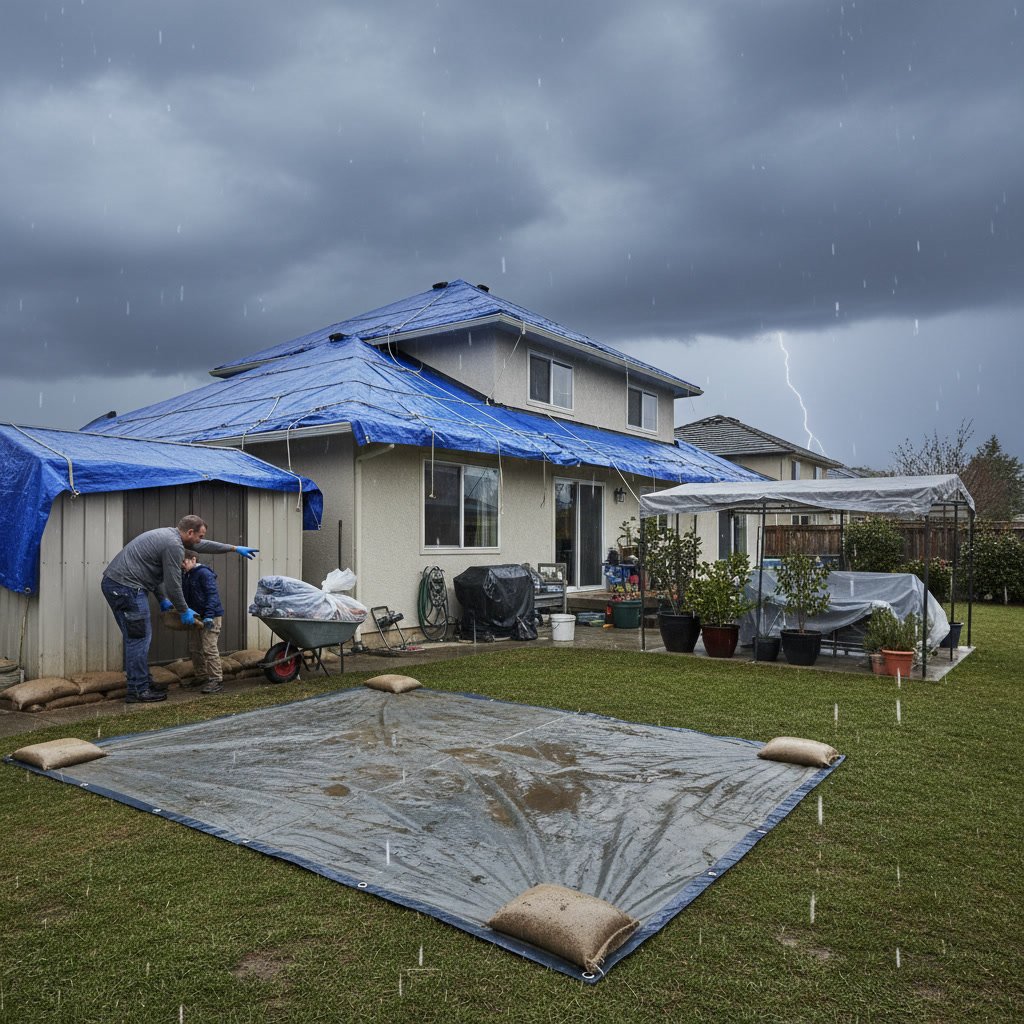
If rain is forecasted mid-project, ask your contractor about their waterproofing procedures. Professional crews use tarps and temporary coverings to protect exposed decking and your home’s interior. Ensure these protocols are in place before work begins.
Delays can disrupt your schedule, but flexibility is essential. Roofing cannot be rushed, and attempting to work through bad weather often results in poor installation quality that shortens the lifespan of your new roof. For homeowners interested in understanding project costs and timelines, reviewing information on roof replacement costs in the Dayton area provides helpful context for budgeting and planning.
Safety Considerations for Your Family
Roof replacement creates hazards that require vigilance. Keep children and pets indoors or away from the work site at all times. Falling tools, materials, or debris can cause serious injury, and construction zones are not play areas.
Contractors should establish clear safety perimeters and post warning signs if necessary. Nails and sharp metal fragments often scatter around the property during tear-off. Even after daily cleanup, stray nails can remain hidden in grass or landscaping. Wear closed-toe shoes when walking around your yard during and immediately after the project.
If you have a commercial roofing project, safety protocols become even more critical due to the larger scale and potential for greater disruption to employees and customers. The same preparation principles apply but require additional coordination with building management and occupants.
Ensuring a Smooth Project from Start to Finish
Proper preparation transforms a roof replacement from a stressful ordeal into a manageable home improvement project. By protecting your property, planning for disruptions, and maintaining clear communication with your contractor, you minimize risks and ensure quality results. The effort you invest before work begins pays off in a faster, cleaner, and more successful installation.
A well-prepared home allows roofing crews to focus on craftsmanship rather than navigating obstacles. This efficiency benefits everyone involved, delivering a durable, professionally installed roof that protects your home for decades to come. Preparation is not just about avoiding problems but about setting the stage for excellence.
Eco Roofing helps homeowners throughout the Dayton area navigate every step of the roof replacement process, from initial planning to final inspection. Our experienced team provides clear guidance on preparation, timeline, and what to expect during your project. If you are ready to start your roof replacement or have questions about getting your home ready, call +19378301004 to schedule your free consultation and discover why your neighbors trust us with their most important investment.