A professional roof inspection and repair involves a systematic evaluation of your roof’s condition followed by targeted fixes to address damage before it worsens. Trained contractors examine every component, from shingles and flashing to underlayment and ventilation, then recommend repairs based on what they find. The process typically takes a few hours for the inspection and anywhere from a few hours to several days for repairs, depending on severity.
Why Regular Inspections Matter for Every Home
Your roof protects everything inside your home, but it takes a beating from the elements year-round. Small problems like loose shingles or worn sealant can quickly turn into leaks that damage ceilings, walls, and insulation. Regular inspections catch these issues early, when repairs are simple and affordable.
Most roofing professionals recommend scheduling inspections at least once a year, especially after severe weather events. Ohio’s climate brings heavy rain, snow, ice, and wind that accelerate wear and tear. An annual checkup helps extend your roof’s lifespan and prevents emergency situations that cost far more to fix.
What Triggers the Need for an Inspection
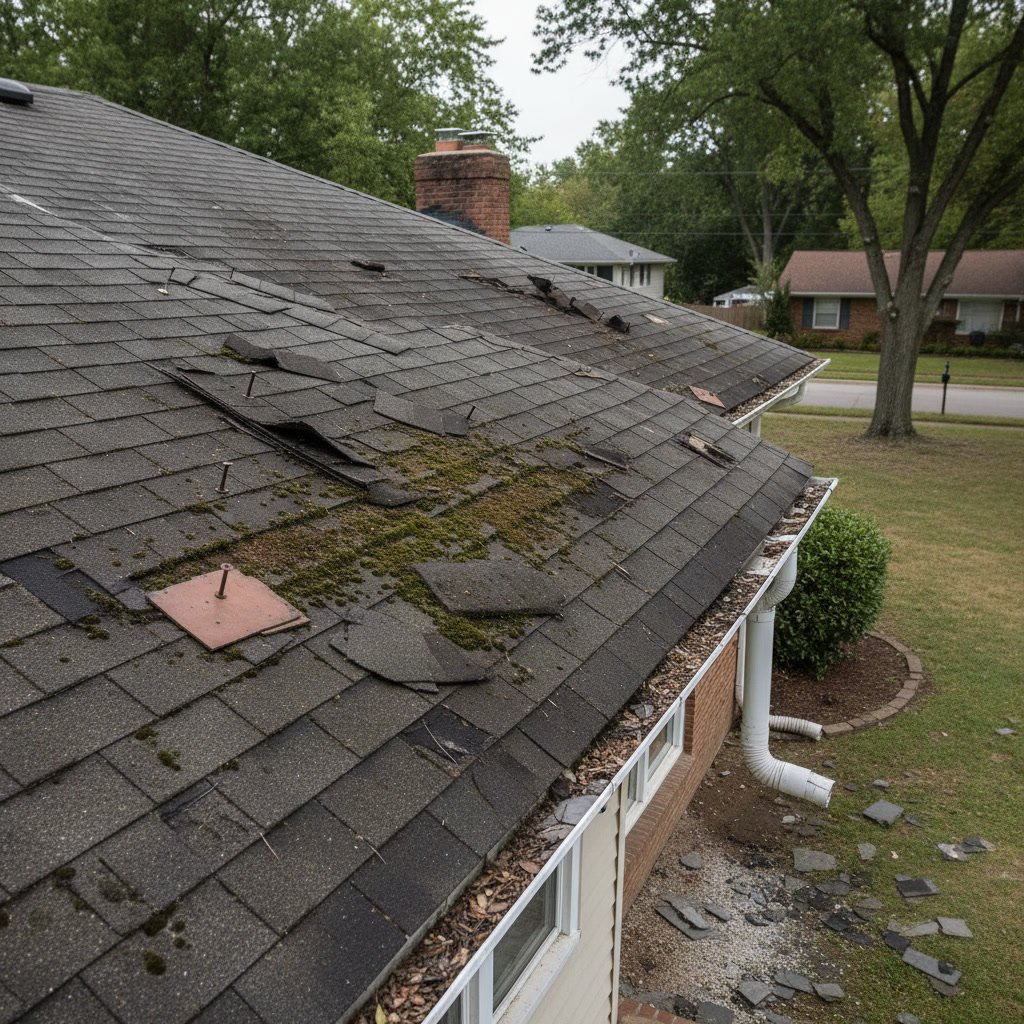
Several warning signs indicate it’s time to call a professional. Visible damage like missing or curling shingles is an obvious red flag. Water stains on ceilings or walls, granules collecting in gutters, and sagging sections of the roof all signal potential problems.
Age also plays a role. If your roof is approaching 15 to 20 years old, regular inspections become even more important. Even without visible damage, an older roof may have hidden issues that only a trained eye can spot. After major storms with hail or high winds, scheduling an inspection helps document damage for insurance claims.
The Exterior Inspection Process Step by Step
The inspection begins outside with a thorough walk around your property. The contractor examines the roof from ground level first, looking for obvious problems like missing shingles, damaged flashing, or areas where the roofline sags.
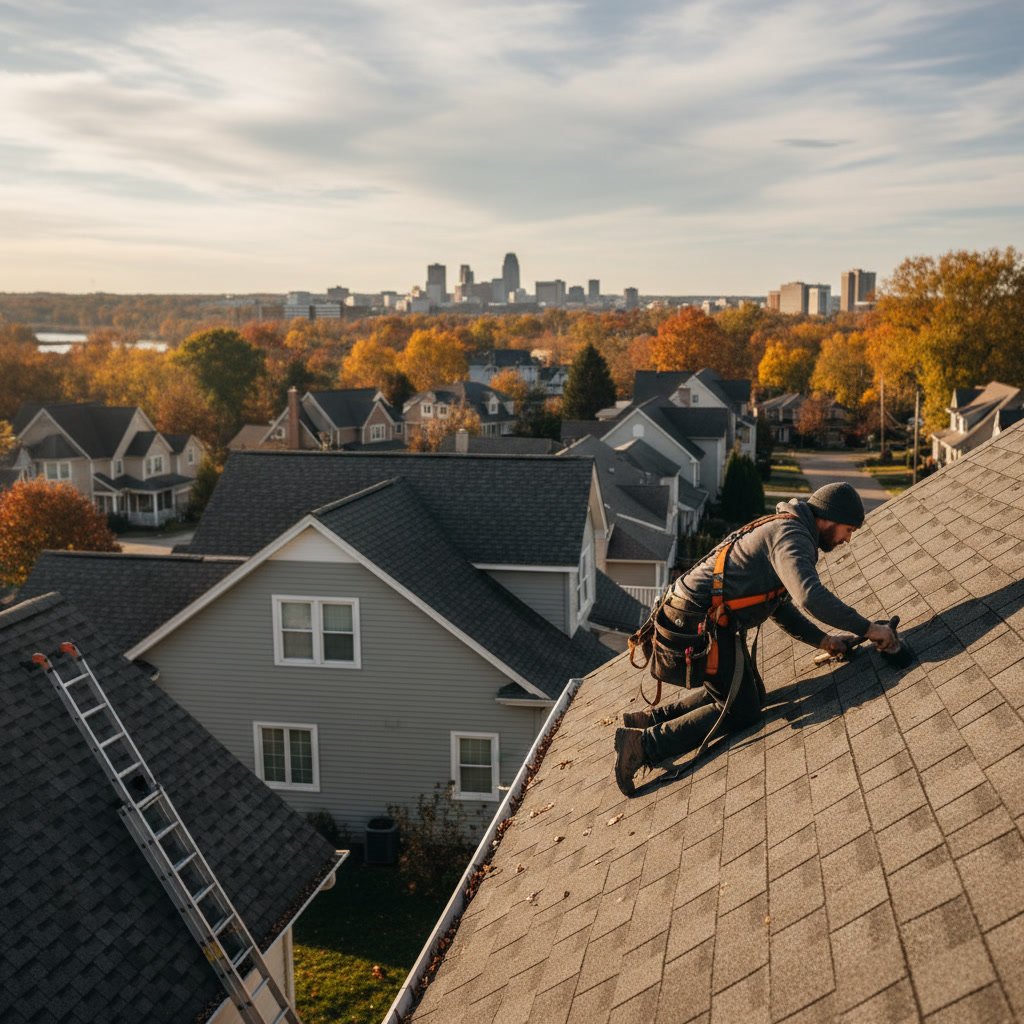
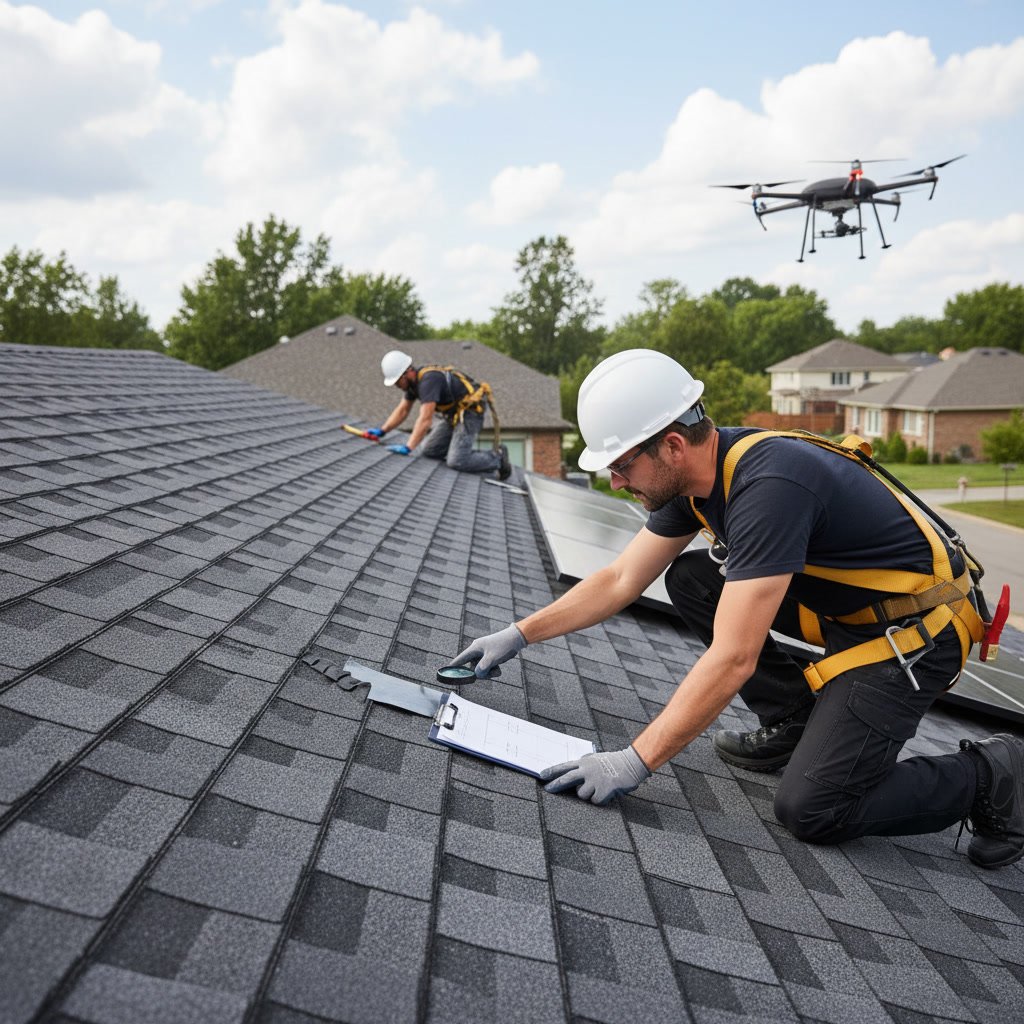
Next comes the roof surface itself. Using proper safety equipment, the inspector climbs onto the roof to examine it up close. They check shingle condition, looking for cracks, blisters, or areas where granules have worn away. Flashing around chimneys, vents, and skylights gets special attention since these are common leak points.
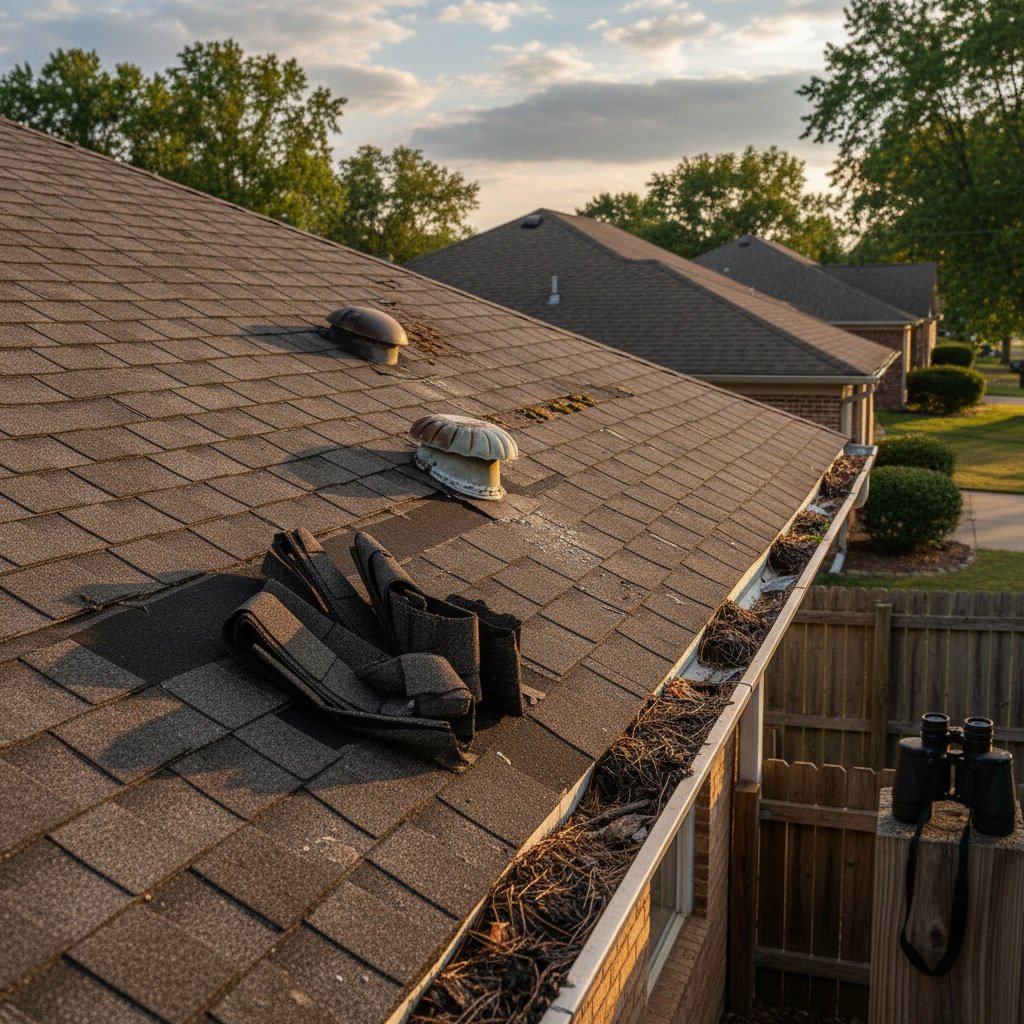
The inspector also evaluates your gutters and downspouts. Clogged or damaged gutters can cause water to back up under shingles, leading to rot and leaks. They check that gutters are securely attached and draining properly. This comprehensive exterior assessment typically takes 45 minutes to two hours, depending on your roof’s size and complexity.
What Happens Inside Your Attic
The attic inspection reveals problems you can’t see from outside. The contractor looks for water stains, mold, or rot on the underside of the roof deck. These signs indicate active or past leaks that need attention.
Ventilation assessment is critical here. Proper attic ventilation prevents heat and moisture buildup that can warp shingles and rot wood. The inspector checks soffit vents, ridge vents, and any mechanical ventilation systems to ensure adequate airflow.
Insulation gets a quick review too. While not strictly part of roofing, inadequate insulation can cause ice dams in winter, which damage shingles and create leaks. The inspector notes any deficiencies that might affect your roof’s performance.
How Professionals in Kettering Document Their Findings
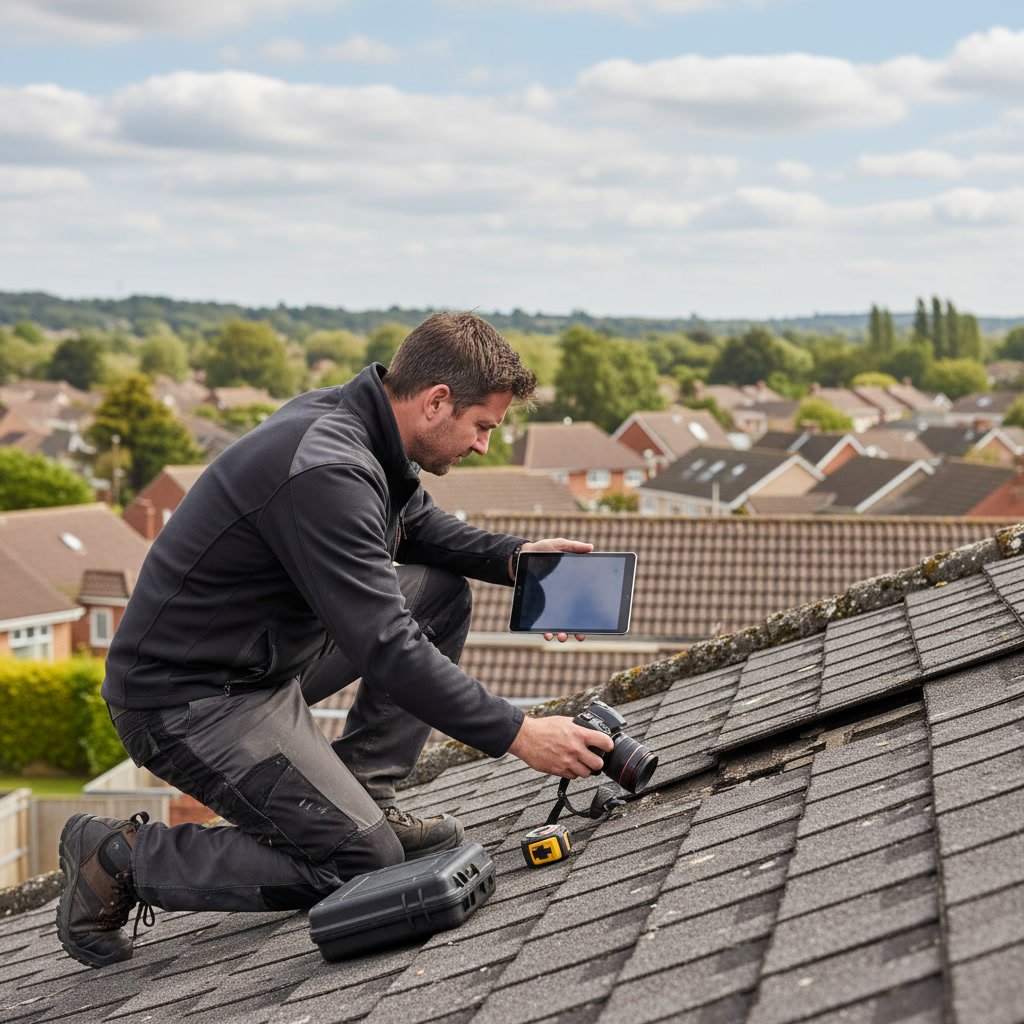
After completing the physical inspection, the contractor compiles a detailed report. This document includes photos of problem areas, measurements of damaged sections, and specific recommendations for repairs or maintenance.
Quality contractors provide clear explanations of what they found and why it matters. They distinguish between urgent repairs that need immediate attention and issues that can wait. This transparency helps you make informed decisions about your roof without feeling pressured.
The report should also include cost estimates for recommended work. Reputable companies offer upfront pricing with no hidden fees, so you know exactly what to expect before work begins.
Common Problems Found During Inspections
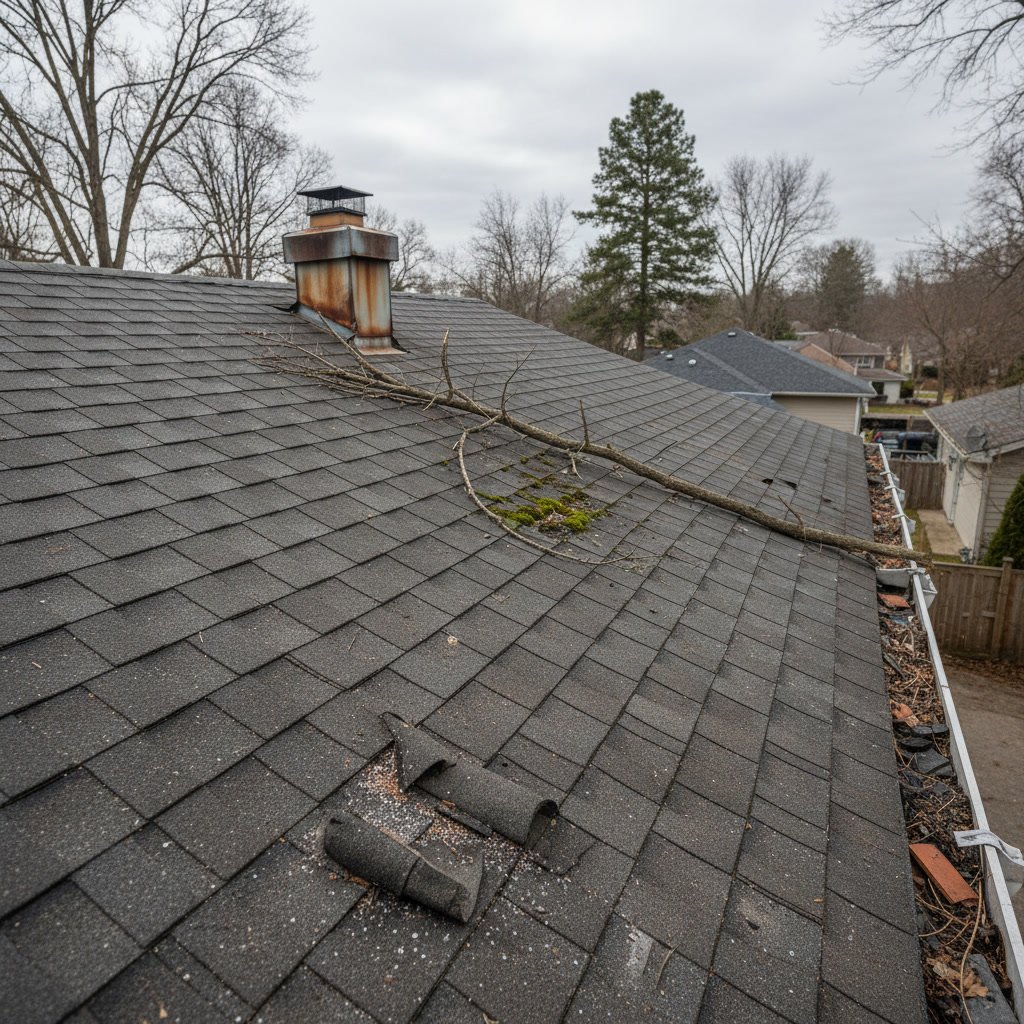
Certain issues appear repeatedly during roof inspections. Damaged or missing shingles top the list, often caused by wind or impact from falling branches. Cracked or separated flashing around chimneys and vents is another frequent problem that allows water infiltration.
Worn sealant around roof penetrations breaks down over time, creating gaps where water can enter. Inspectors often find deteriorated underlayment in older roofs, which compromises the waterproof barrier beneath shingles.
Soffit and fascia damage frequently accompanies gutter problems. When gutters overflow or pull away from the roofline, water runs behind them and rots the wood underneath. Addressing these issues quickly prevents more extensive damage to your home’s structure. For those wondering about the severity of damage, our guide on when your roof needs repair versus full replacement offers helpful decision criteria.
The Repair Planning and Preparation Stage
Once you approve the recommended repairs, the contractor schedules the work and orders any necessary materials. Lead times vary depending on the scope of work and material availability, but most repairs can begin within a week or two.
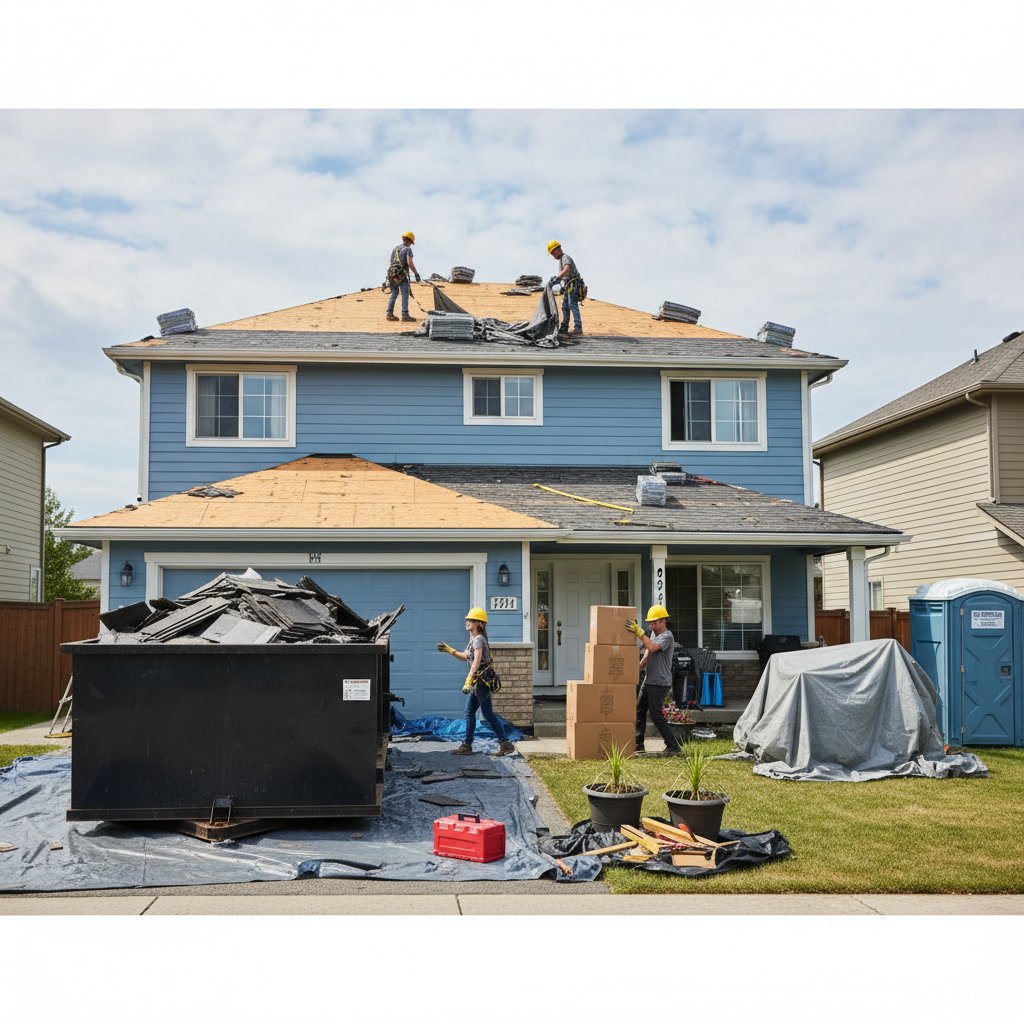
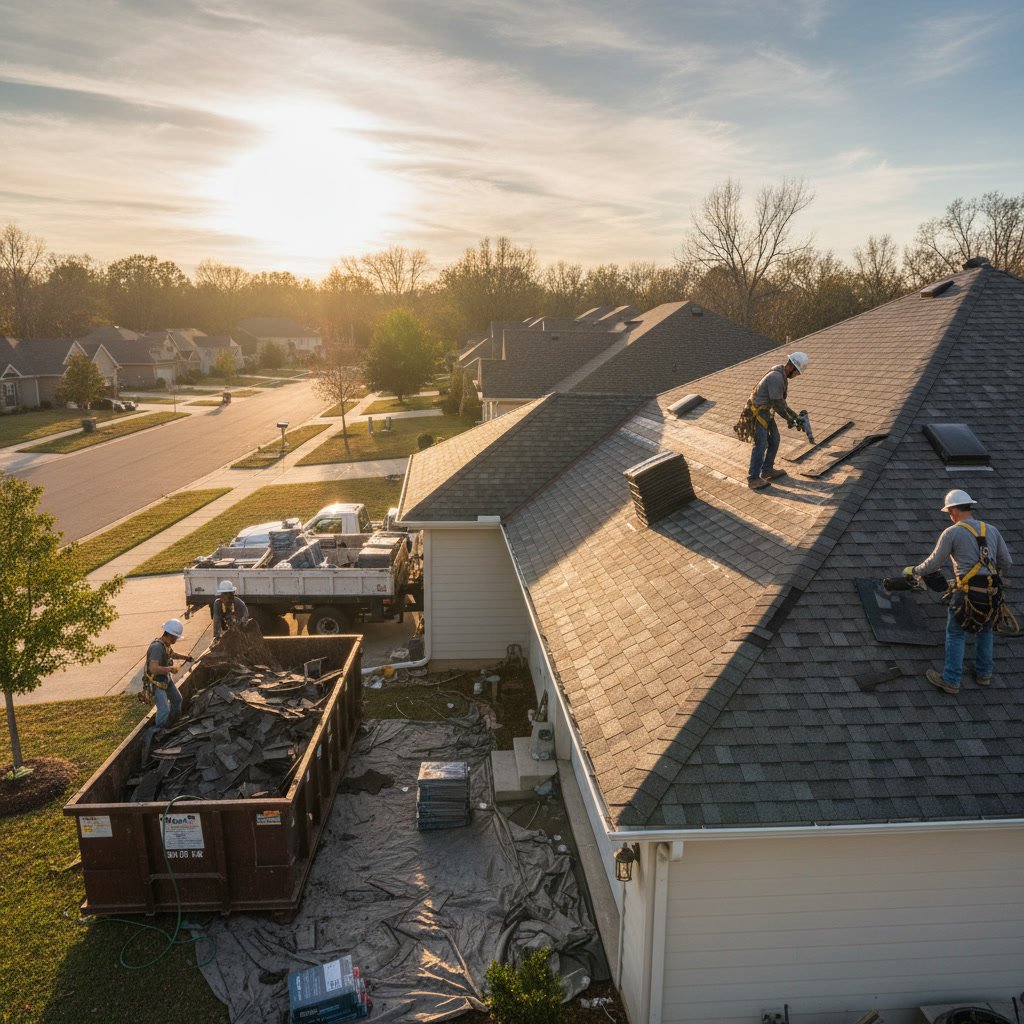
Before starting, the crew protects your property. They lay tarps to catch debris, move outdoor furniture away from work areas, and set up safety barriers if needed. For larger projects, they may rent a dumpster for old materials.
Weather plays a crucial role in scheduling. Most roof repair work requires dry conditions, so unexpected rain can delay projects. Professional contractors monitor forecasts closely and communicate any schedule changes promptly.
How Repairs Are Actually Performed
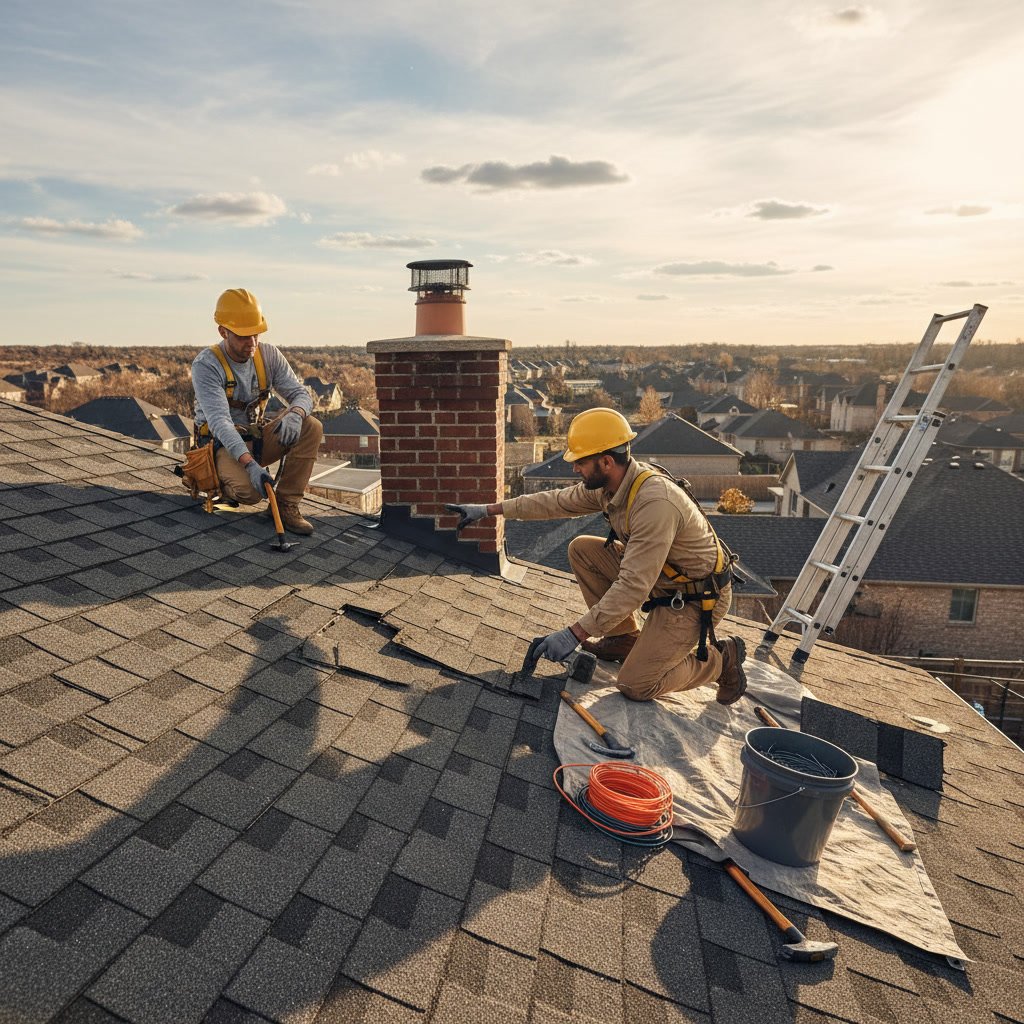
The repair process varies based on what needs fixing. For shingle replacement, the crew carefully removes damaged shingles without disturbing surrounding ones. They inspect the underlayment beneath, replacing it if compromised, then install new shingles that match your existing roof.
Flashing repairs involve removing old caulk and sealant, then either resealing existing flashing or installing new pieces. This work requires precision since improperly installed flashing is a leading cause of leaks.
For larger damaged areas, contractors may need to replace sections of roof decking. This involves removing shingles and underlayment down to the wood structure, cutting out rotted boards, and installing new plywood or OSB. The area is then properly sealed and re-shingled to match the rest of your roof.
One expert-level insight: professional roofers always work upward from the lowest point when replacing shingles or flashing. This ensures proper water shedding since each layer overlaps the one below it. DIY repairs often fail because homeowners don’t follow this critical layering principle, allowing water to work its way under shingles.
Quality Control and Final Inspection
After completing repairs, the crew conducts a thorough cleanup. They use magnetic tools to collect stray nails and metal debris from your yard, a crucial step that prevents flat tires and injuries. All old materials go into the dumpster, and the work area is left cleaner than they found it.
The contractor then performs a final inspection, checking that all repairs were completed properly and nothing was missed. They walk you through the finished work, explaining what they did and answering any questions.
Many companies photograph the completed repairs for your records. These images are valuable if you need to file an insurance claim or when you eventually sell your home and want to document recent roof work.
Warranty and Maintenance Recommendations
Reputable contractors stand behind their work with warranties covering both materials and labor. Material warranties come from manufacturers and typically last 20 to 50 years depending on shingle quality. Labor warranties from the contractor usually run one to ten years.
Before the crew leaves, they provide maintenance recommendations to protect your investment. This might include gutter cleaning schedules, advice about trimming overhanging branches, or reminders about future inspection intervals.
Some contractors offer ongoing maintenance programs that include periodic inspections and minor repairs. These programs help catch small problems before they become major issues, extending your roof’s life and protecting your home.
Protecting Your Home Between Professional Visits
Understanding what happens during professional inspections and repairs helps you know what to expect and why each step matters. The process combines careful assessment, skilled workmanship, and attention to detail that protects your home from water damage and extends your roof’s useful life. Regular inspections catch problems early when they’re easiest and least expensive to fix, while proper repairs restore your roof’s protective capabilities.
Eco Roofing brings decades of experience to every inspection and repair project throughout the Dayton area. Our team uses proven methods and quality materials to deliver lasting results that protect your home through every season. Whether you need a routine checkup or noticed signs of damage, we provide honest assessments and reliable solutions you can trust.
Schedule your professional roof inspection today by calling +19378301004. We serve homeowners throughout Kettering, Beavercreek, Huber Heights, and surrounding communities with the quality workmanship your home deserves.