Your roof is one of the most critical components of your home, yet many homeowners ignore the early warning signs you need roofing services until serious damage occurs. Water stains on your ceiling, missing shingles after a storm, or unexplained increases in your energy bills can all signal roof problems that require immediate attention. Recognizing these warning signs early can save you thousands of dollars in repair costs and prevent structural damage to your property.
Why Your Roof Deserves Regular Attention
Most homeowners think about their roof only when something goes visibly wrong. This reactive approach often leads to emergency situations that cost far more than preventive care would have. Your roof faces constant assault from Ohio’s weather, including intense summer heat, heavy rain, winter ice dams, and wind that can reach damaging speeds during storms.
A typical asphalt shingle roof lasts 20 to 25 years under ideal conditions, but factors like poor ventilation, inadequate maintenance, and severe weather can shorten that lifespan considerably. Regular inspections help catch problems when they’re still small and manageable rather than waiting until water pours through your living room ceiling.
The Hidden Cost of Ignoring Early Warning Signs
When you postpone addressing roof problems, small issues compound into larger ones. A single missing shingle might cost $150 to repair today, but if left unaddressed, the exposed underlayment can deteriorate over several months. Water infiltration can then rot the roof deck, requiring repairs that easily exceed $3,000 to $5,000 for a moderately sized section.
Beyond the roof itself, water damage spreads to insulation, drywall, electrical systems, and even your home’s foundation. Mold growth can begin within 24 to 48 hours of water exposure, creating health hazards and remediation costs that dwarf the original repair expense. Understanding when your roof needs repair versus full replacement becomes crucial to making cost-effective decisions.
Visible Damage That Demands Immediate Action
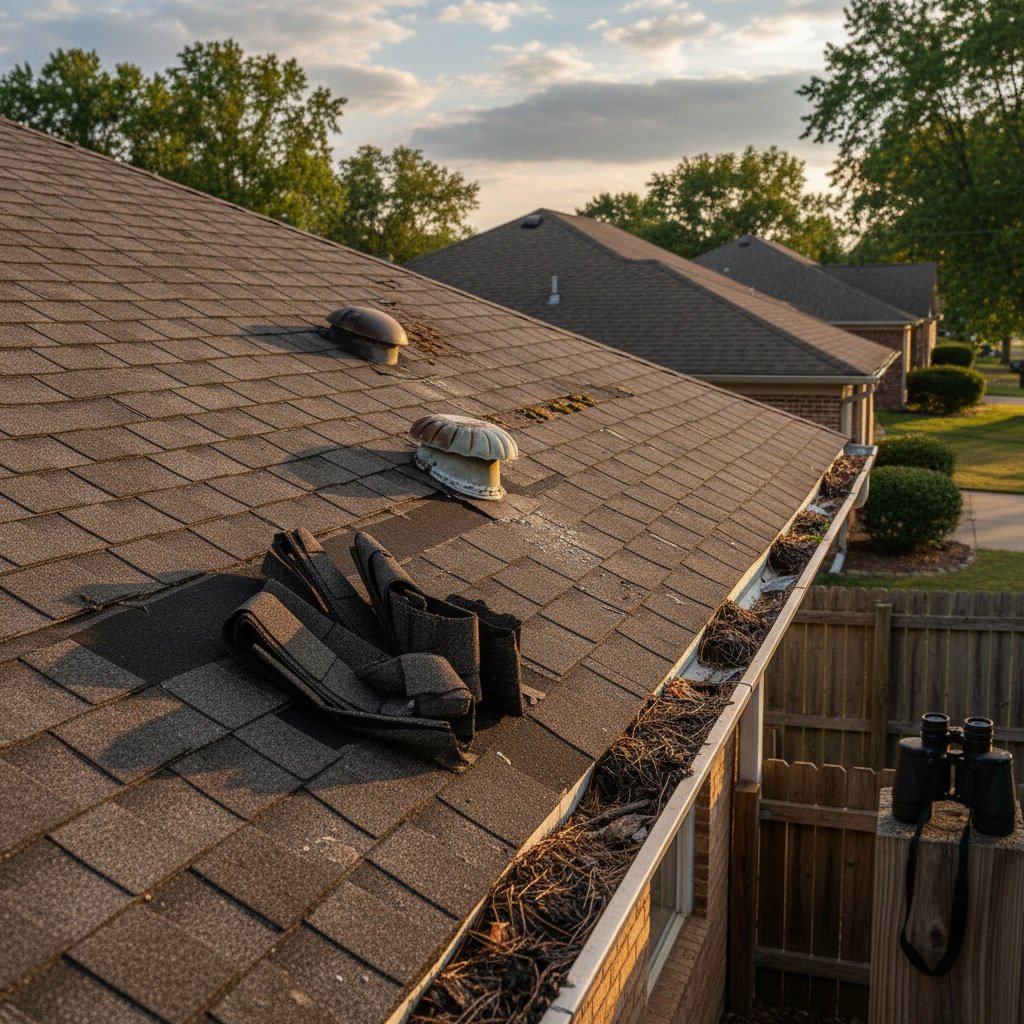
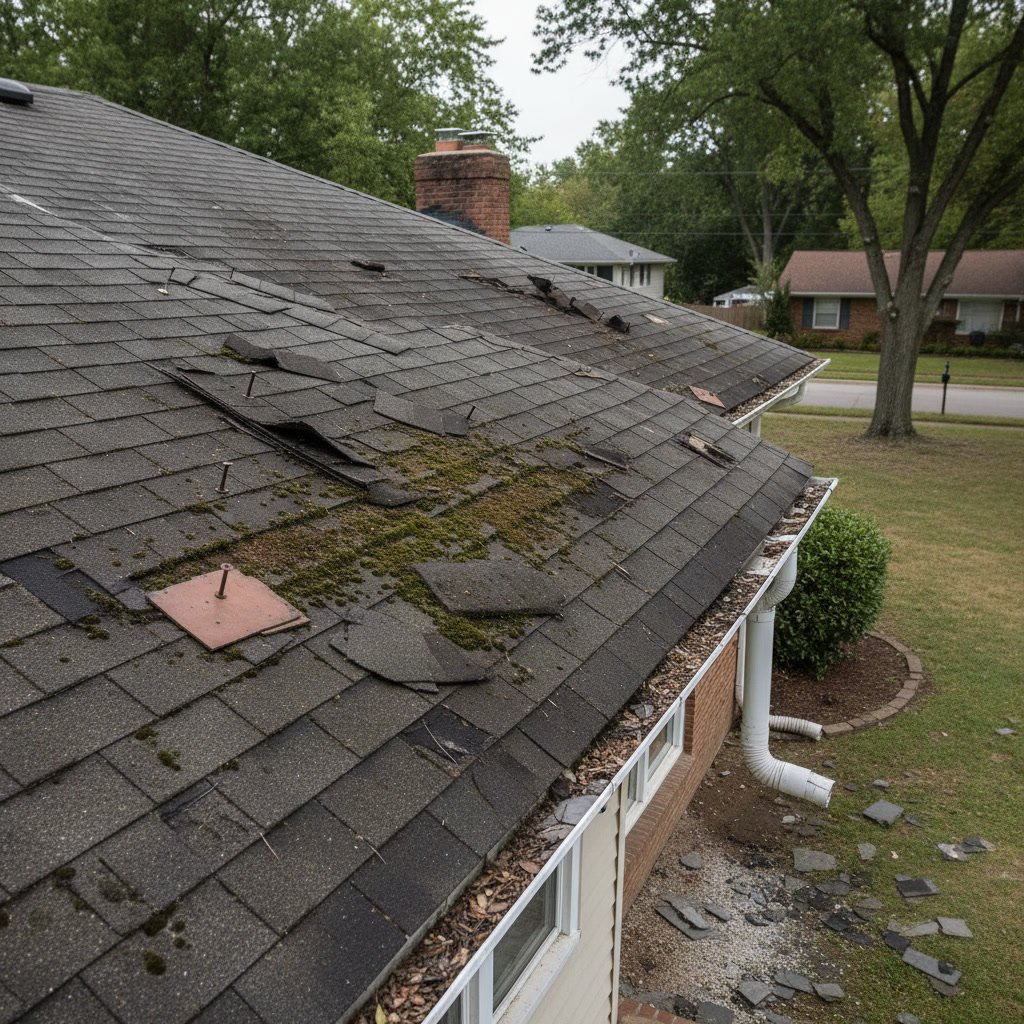
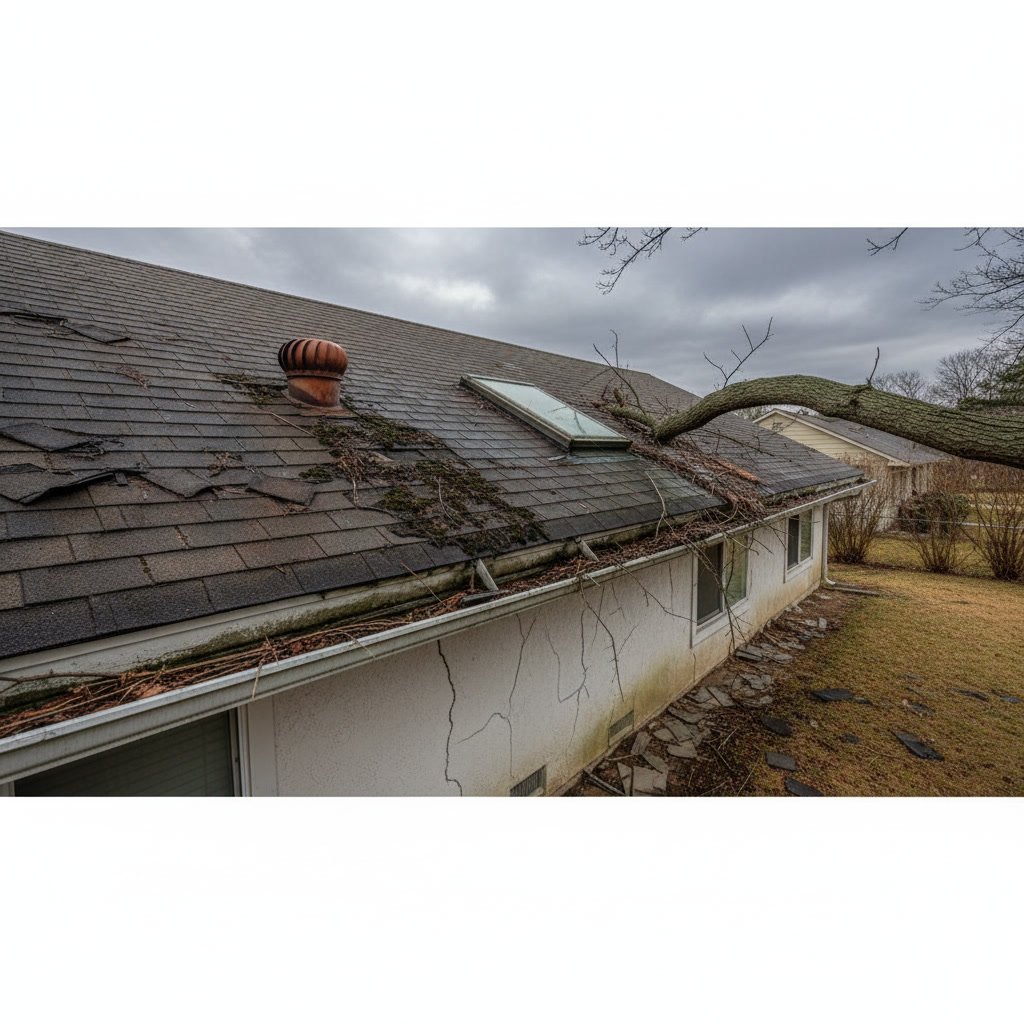
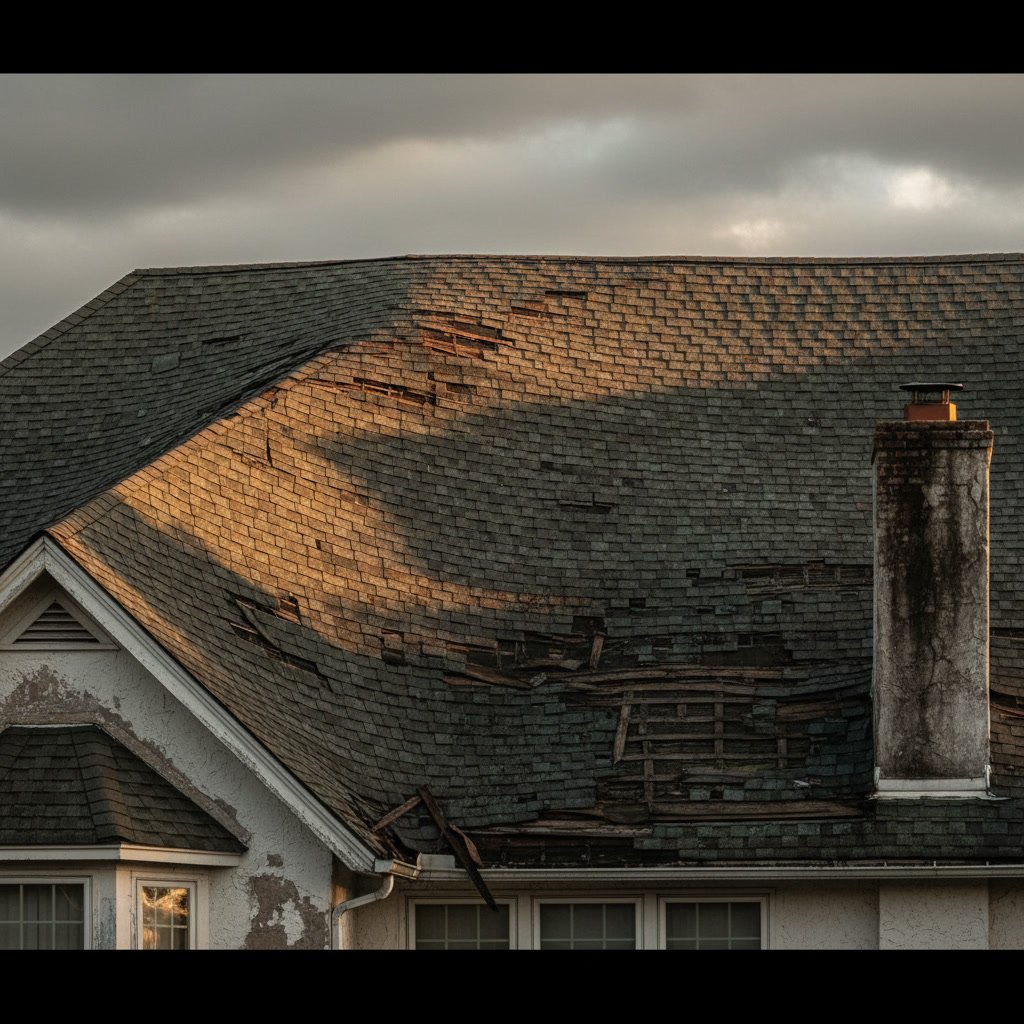
Some roof problems announce themselves clearly. Missing, cracked, or curling shingles are obvious indicators that your roof needs professional evaluation. After storms, walk around your property and look for shingles in your yard or gutters. Even a few missing shingles create vulnerable spots where water can penetrate.
Check for granule loss by examining your gutters and downspouts. Asphalt shingles shed granules as they age, and excessive granule accumulation in gutters indicates advanced deterioration. When shingles lose their protective granule layer, UV rays accelerate breakdown and reduce the roof’s ability to shed water effectively.
Dark streaks or patches on your roof might look like simple discoloration, but they often indicate algae or moss growth. While primarily aesthetic on asphalt shingles, these organisms retain moisture and can accelerate deterioration. On wood shakes or in severe cases, they can cause genuine structural issues.
Interior Warning Signs in Kettering Homes
Sometimes the clearest indicators of roof problems appear inside your home rather than outside. Water stains on ceilings or walls, particularly after rain events, signal active leaks that require immediate attention. Even small stains indicate water has found a pathway through your roofing system.
Daylight visible through your roof boards when you’re in the attic is an obvious red flag. Similarly, check for water stains or wet insulation in your attic space. Moisture in your attic doesn’t always mean you have a leak; it can also indicate ventilation problems that will shorten your roof’s lifespan if not corrected.
Unexplained increases in heating or cooling costs can point to roof or attic insulation problems. When your roof system fails to maintain proper thermal barriers, your HVAC system works harder to maintain comfortable temperatures, driving up energy expenses month after month.
Sagging or Structural Issues
A sagging roofline represents a serious structural concern that demands immediate professional evaluation. Sagging can result from prolonged water damage to roof decking, undersized or failing rafters, or excessive weight from multiple roof layers installed over decades.
Never ignore sagging, even if it appears minor. What looks like a slight dip can indicate significant structural compromise that poses safety risks. Professional roofing services can assess whether the issue stems from the roof system itself or underlying structural problems with the building frame.
Similarly, if you notice that your roof deck feels spongy or soft when walked on during an inspection, the decking has likely suffered water damage and needs replacement. This issue won’t resolve itself and will only worsen with time and additional moisture exposure.
Age and Lifespan Considerations
Even without visible problems, your roof’s age matters significantly. If your asphalt shingle roof approaches or exceeds 20 years, schedule a professional inspection even if everything looks fine from the ground. Materials deteriorate over time regardless of visible symptoms, and older roofs become increasingly vulnerable to storm damage.
Here’s a helpful breakdown of typical roofing material lifespans under normal conditions:
- Asphalt shingles: 20 to 25 years for standard three-tab, 25 to 30 years for architectural shingles
- Metal roofing: 40 to 70 years depending on the specific material and finish
- Wood shakes: 20 to 25 years with proper maintenance
- Tile and slate: 50 to 100 years, though underlayment requires replacement every 20 to 30 years
If you don’t know your roof’s age, check home inspection reports from when you purchased the property or look for building permits on file with your local municipality. Professional roofers can also estimate age based on material condition and style.
Storm Damage Assessment
Ohio weather can be particularly hard on roofing systems. High winds, hail, heavy snow loads, and ice dams all take their toll. After any significant weather event, conduct a visual inspection from the ground. Look for missing or damaged shingles, dented gutters or flashing, and debris accumulation.
Hail damage isn’t always immediately obvious. Hailstones create bruising on asphalt shingles that might not leak right away but significantly shortens the roof’s remaining lifespan by compromising the shingle’s integrity. If hail larger than one inch in diameter fell in your area, schedule a professional inspection even if you don’t see obvious damage.
Wind damage often manifests at roof edges, ridges, and corners where uplift forces are strongest. High winds can break the seal on shingles, lift them partially, or tear them away completely. The common residential roofing problems seen after storms require prompt attention to prevent secondary damage.
Flashing and Penetration Problems
Roof penetrations where chimneys, vent pipes, skylights, and other features break the roofline are common leak points. The metal flashing that seals these transitions can corrode, pull away from surfaces, or develop gaps as buildings settle and materials expand and contract with temperature changes.
Inspect flashing around these features for rust, gaps, or lifted edges. On older homes, you might find roofing tar or caulk applied as a temporary fix. While these materials can provide short-term solutions, they don’t last and proper flashing replacement offers the only durable solution.
Vent boots, the rubber or plastic seals around pipe penetrations, typically last 10 to 15 years before the material degrades from UV exposure. Cracked or deteriorated vent boots allow water to run directly down pipes into your home’s interior walls and create leaks that can be difficult to trace.
Gutter and Drainage Issues
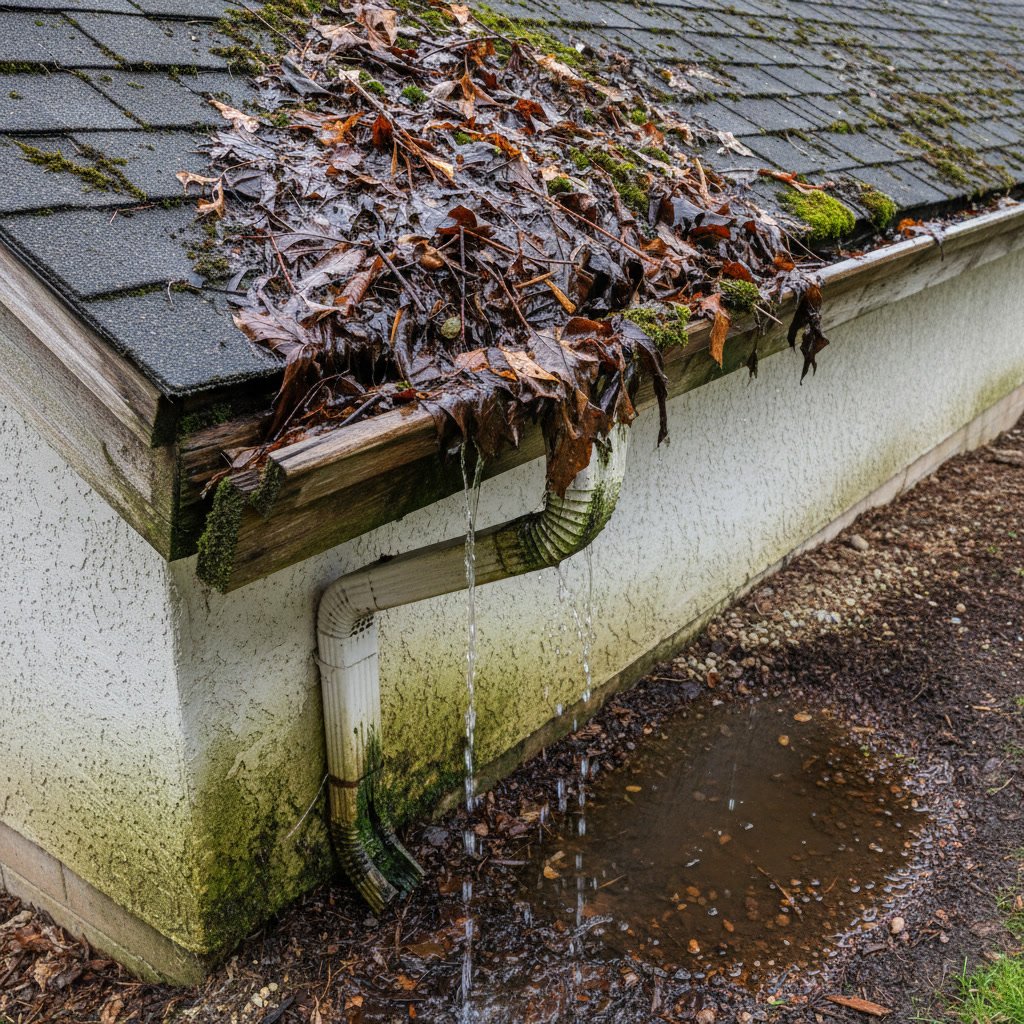
Your gutters work as part of your overall roofing system, directing water away from your roof and foundation. Clogged, damaged, or improperly pitched gutters can cause water to back up under shingles, leading to rot and leaks. If you notice water overflowing from gutters during rain or ice dams forming along your roof edge in winter, your drainage system needs attention.
Gutters that pull away from the fascia board or sag between hangers indicate problems that affect both gutter function and potential damage to the fascia and soffit. These components protect the roof structure from moisture and pests, and damage here often signals broader issues. Professional gutter installation and replacement services ensure proper pitch and secure attachment.
One expert insight many homeowners overlook is that insufficient attic ventilation combined with clogged gutters creates a perfect storm for ice dam formation. During winter, warm air from your living space melts snow on your roof. When that meltwater reaches the cold eaves, it refreezes, creating an ice barrier that forces subsequent meltwater under shingles. The solution requires both proper ventilation and functional gutters working together.
When Professional Inspection Makes Sense
Schedule professional roof inspections in several situations beyond obvious damage. If you’re buying a home, a thorough roof inspection should be part of your due diligence process. Roof replacement represents a major expense, and knowing the roof’s condition helps you negotiate appropriately or plan for future costs.
After owning your home for five years, schedule an inspection even if you haven’t noticed problems. Early detection of minor issues prevents them from becoming major expenses. If your roof is more than 15 years old, annual inspections become even more important as materials approach the end of their design life.
Before listing your home for sale, have your roof inspected. Addressing problems proactively prevents issues during buyer inspections and can help you achieve a better sale price. A well-maintained roof serves as a strong selling point and removes a common negotiation obstacle.
Protecting Your Home Investment
Your roof represents a significant investment that protects everything beneath it. Recognizing warning signs early, scheduling regular inspections, and addressing problems promptly keeps repair costs manageable and extends your roof’s functional life. Whether you notice missing shingles, water stains, or simply know your roof is approaching the end of its expected lifespan, professional evaluation provides clarity about your options and costs.
Modern roofing materials and installation techniques offer better performance and longer lifespans than ever before, but they still require proper maintenance and timely repairs. Taking a proactive approach to roof care protects your home’s structural integrity, maintains property value, and provides peace of mind that your family stays dry and safe regardless of what Ohio weather brings.
Eco Roofing serves homeowners throughout the Dayton area with comprehensive inspection, repair, and replacement services. Whether you need minor repairs or a complete roof replacement, our experienced team provides honest assessments and quality workmanship. Contact Eco Roofing at +19378301004 to schedule your free roof inspection and get the answers you need to protect your home.