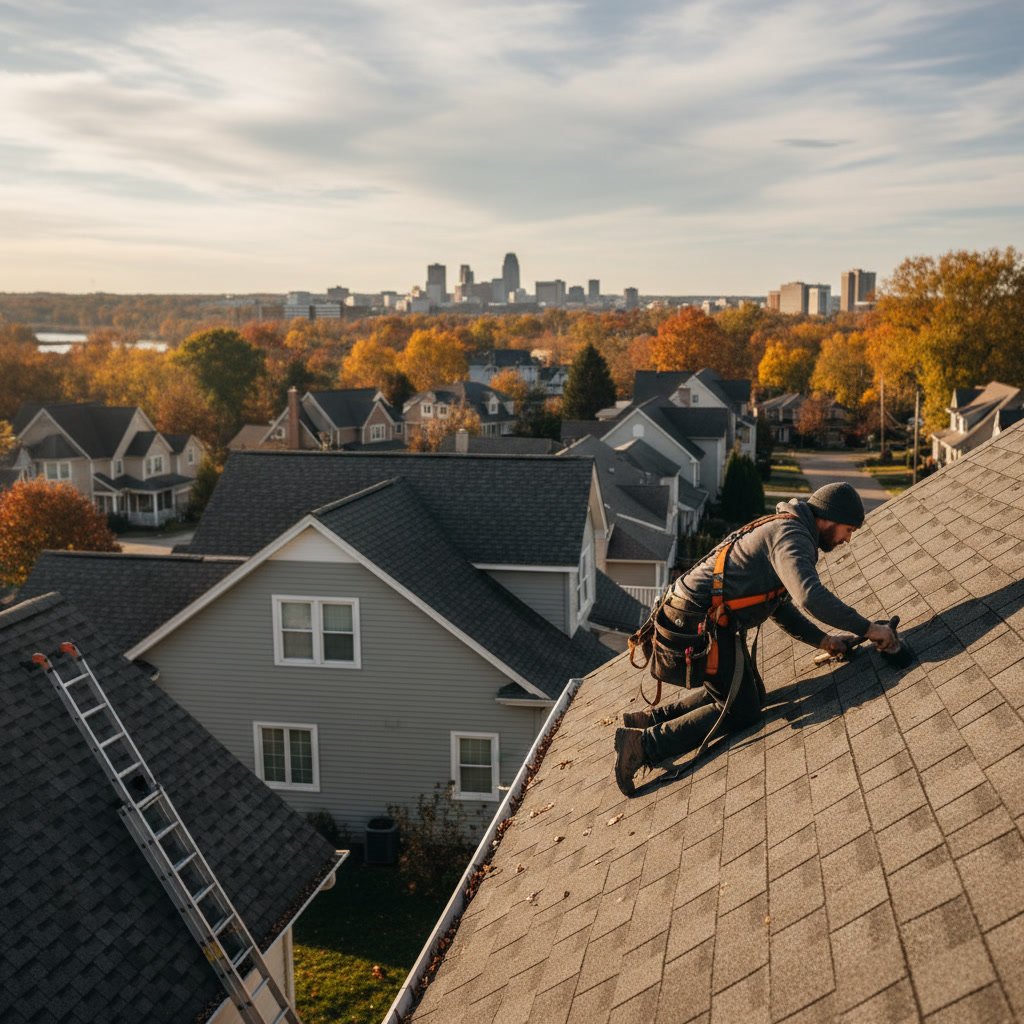
Your roof takes a beating from Ohio’s weather every single day. Heavy summer storms, winter ice dams, high winds, and temperature swings all work together to slowly wear down even the best roofing systems. The difference between a roof that lasts 15 years and one that makes it to 25 or 30 often comes down to consistent, proactive care. Roof maintenance Dayton homeowners invest in today prevents the emergency repairs and costly replacements that catch too many families off guard tomorrow.
This guide walks through the essential maintenance tasks that protect your investment, the warning signs you should never ignore, and the seasonal considerations specific to our region. Whether your home is in Kettering or Beavercreek, these strategies will help you avoid the surprise phone calls and unexpected expenses that come with neglected roofs.
Why Regular Roof Maintenance Matters in Dayton
Dayton sits in a climate zone that tests roofing materials harder than many other parts of the country. Summer temperatures can push past 90 degrees, while winter nights regularly drop below freezing. That constant expansion and contraction stresses every shingle, fastener, and seal on your roof.
Add in the severe thunderstorms that roll through the Miami Valley each spring and summer, bringing hail, high winds, and heavy rain, and you have a recipe for accelerated wear. Winter brings its own challenges with ice dams, snow loads, and freeze-thaw cycles that can crack flashing and open up leaks.
The costs of ignoring maintenance add up fast. A small leak that could be fixed for a few hundred dollars can quickly turn into rotted decking, damaged insulation, and interior water damage that runs into thousands. Regular inspections and minor repairs keep small problems from becoming major headaches.
Essential Roof Maintenance Tasks Every Homeowner Should Know
Roof maintenance Dayton property owners should prioritize falls into two categories: tasks you can handle yourself and work that requires professional help. Knowing the difference keeps you safe and ensures the job gets done right.
Visual Inspections From the Ground
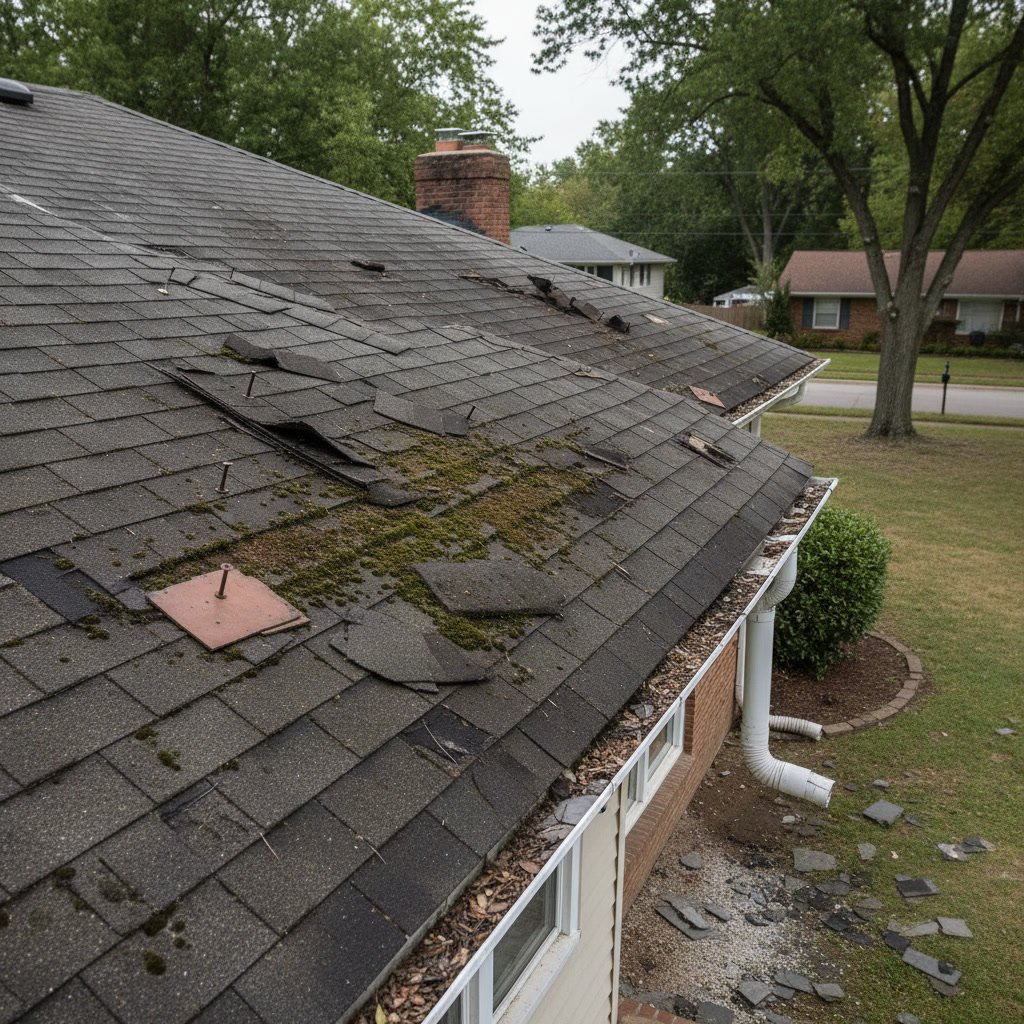
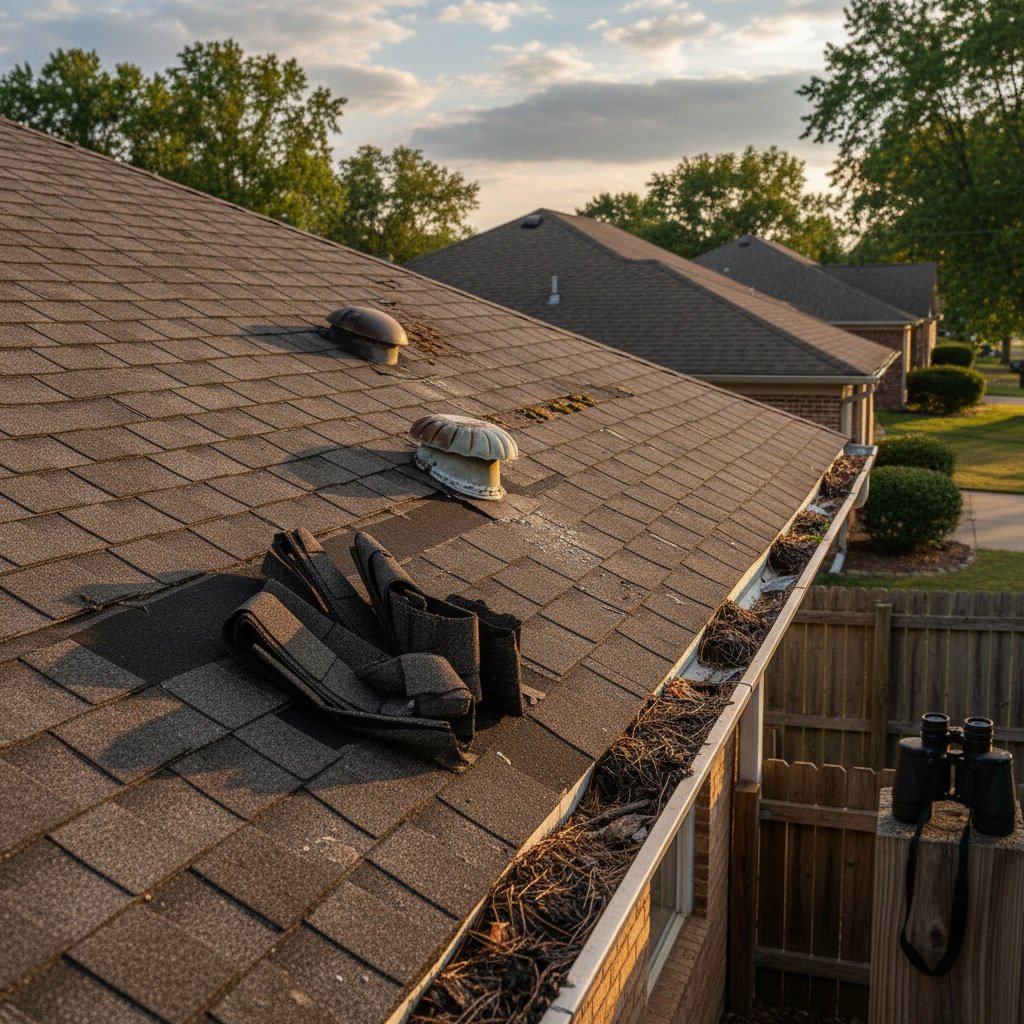
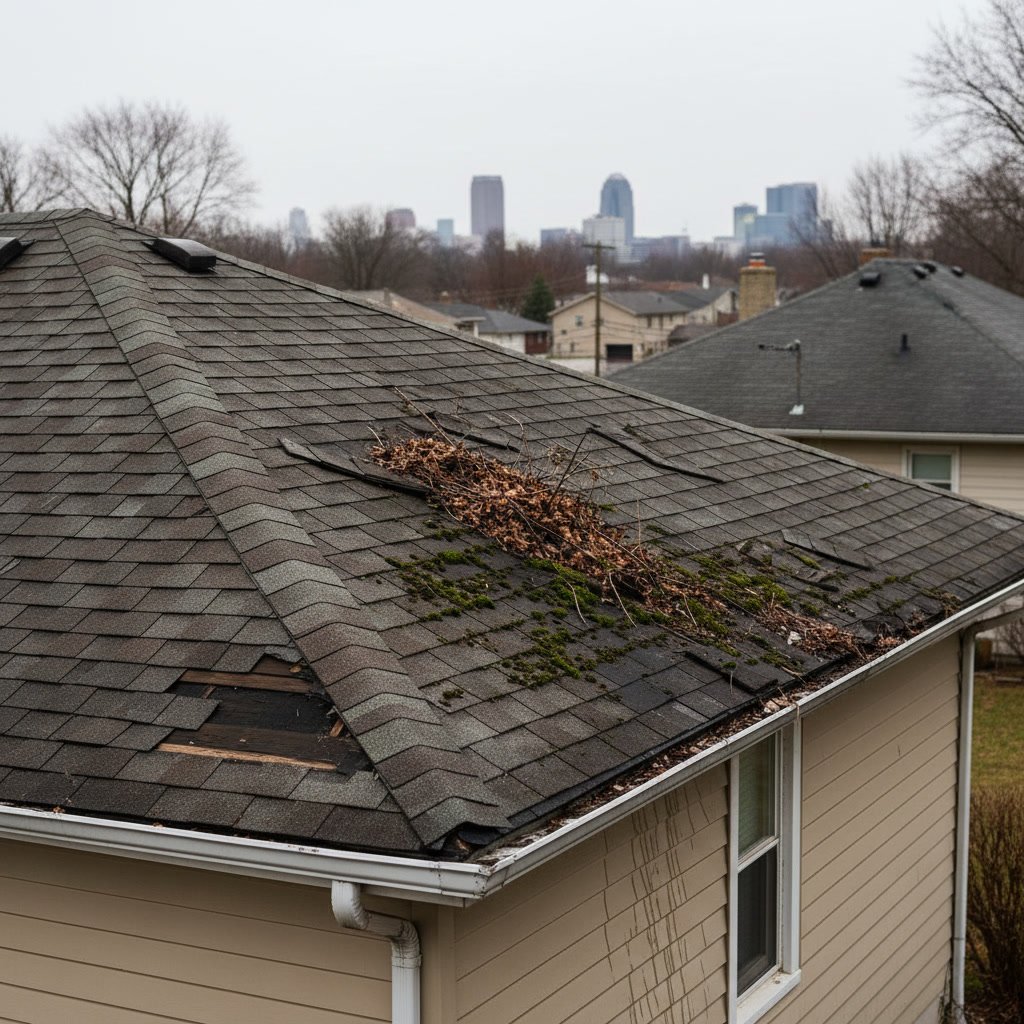
Walk around your property at least twice a year and look up. Use binoculars if needed. Check for missing, cracked, or curling shingles. Look for areas where shingles appear darker or lighter than surrounding sections, which can indicate moisture problems underneath.
Pay special attention to roof valleys, the areas around chimneys and vents, and the edges where your roof meets walls or other roof planes. These transition points are where leaks most commonly start.
Gutter Cleaning and Maintenance
Clogged gutters cause more roof damage than most homeowners realize. When gutters overflow, water backs up under shingles, soaks fascia boards, and can even seep into your home’s foundation. Clean your gutters at least twice a year, in late spring after trees finish dropping seeds and again in late fall after leaves have fallen.
While you’re cleaning gutters, check that downspouts direct water at least five feet away from your foundation. Inspect for rust spots, separation at seams, and sections pulling away from the house. If your gutters are damaged or inadequate for your roof size, professional gutter installation and replacement services can upgrade your system to better protect your home.
Remove Debris and Keep Surfaces Clear
Leaves, branches, and other debris trap moisture against your roof and create environments where moss and algae thrive. These organisms slowly eat away at shingles and can significantly shorten roof life. Remove debris regularly, especially after storms and in fall.
Trim tree branches that hang within six feet of your roof. This prevents rubbing damage during windy days and makes it harder for squirrels and other animals to access your roof.
Check Attic Ventilation and Insulation
Your attic plays a crucial role in roof health. Poor ventilation traps heat and moisture, cooking shingles from below and creating ideal conditions for mold and rot. During summer, your attic should stay close to outdoor temperature. If it feels like an oven, you likely have ventilation problems.
In winter, check for frost on the underside of your roof deck. This indicates warm, moist air is escaping from your living space into the attic, which leads to ice dams and condensation damage. Proper insulation and ventilation solve both problems and can add years to your roof’s life.
Professional Roof Inspections and When to Schedule Them
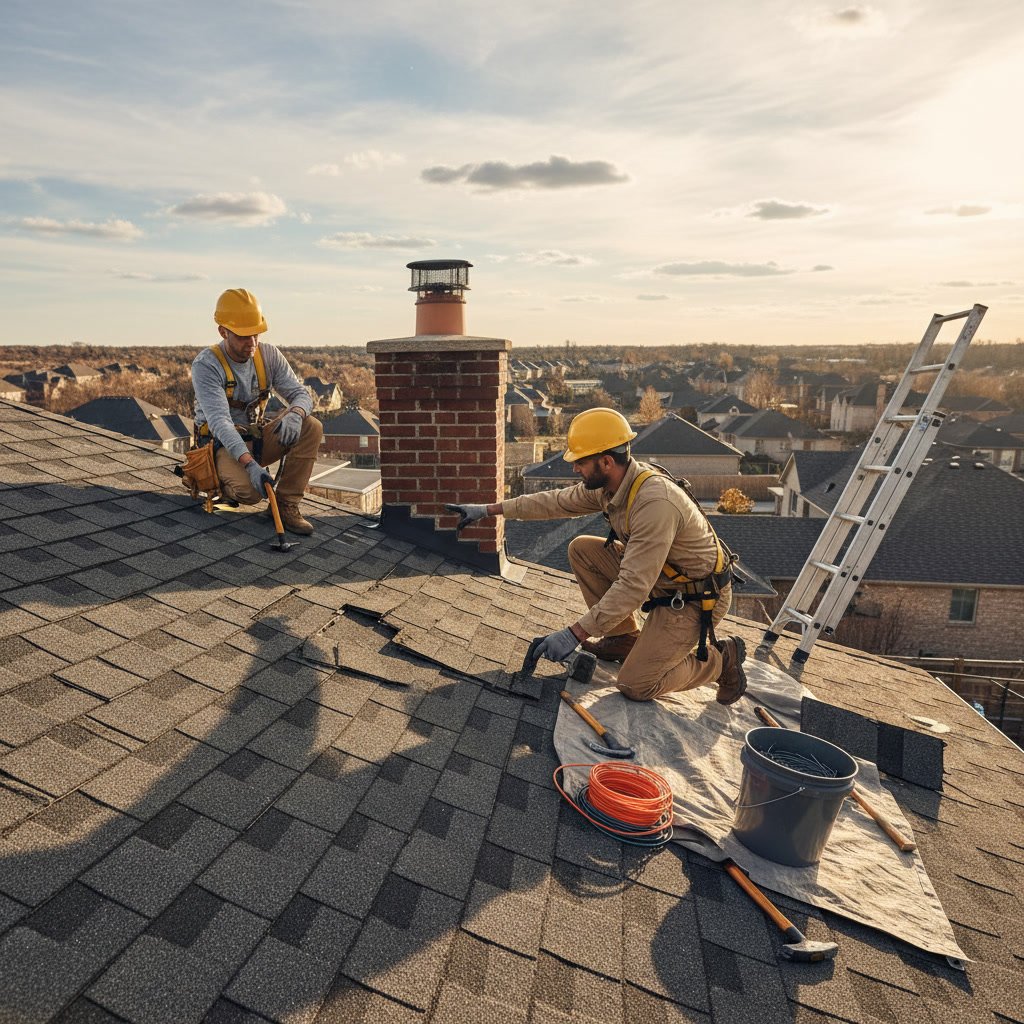
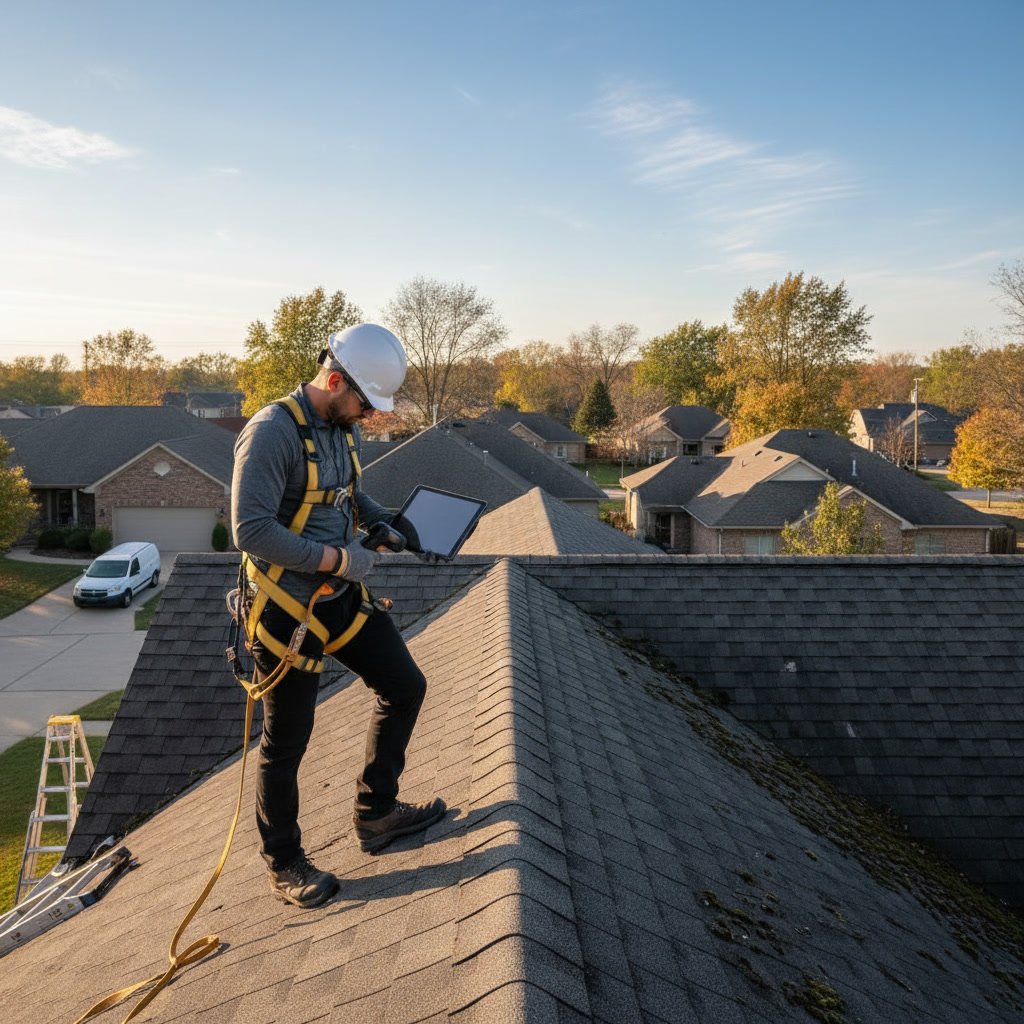
Even careful homeowners should have their roof professionally inspected every two to three years. Professional roofers see things you’ll miss and have the training to safely access all roof areas. After major storms, especially those with high winds or hail, schedule an inspection even if you don’t see obvious damage from the ground.
A thorough professional inspection covers all roofing components including shingles, flashing, valleys, penetrations, fascia, soffit, and gutters. The inspector checks for proper drainage, signs of water infiltration, adequate ventilation, and potential weak points. This comprehensive evaluation identifies problems early when repairs are still simple and affordable.
Many homeowners serving Kettering, Huber Heights, and surrounding areas schedule inspections in spring or fall when weather is mild and roofers can best assess winter or summer damage. This timing also gives you the full season to complete any necessary repairs before the next round of extreme weather hits.
Common Roof Problems in the Dayton Area
Understanding the specific challenges roofs face in our region helps you know what to watch for during your maintenance routine.
Ice Dams and Winter Weather Damage
Ice dams form when heat escaping through your roof melts snow, which then refreezes at the colder roof edge. The ice blocks proper drainage and forces water under shingles. This trapped water causes leaks, damages insulation, and can rot roof decking.
Prevention starts with proper attic insulation and ventilation. Keep your attic cold in winter so snow melts evenly. Clean gutters before winter so water can drain freely when ice does melt.
Storm Damage and Wind Uplift
Severe thunderstorms regularly produce winds strong enough to lift and tear shingles. Damage isn’t always obvious from the ground. Missing shingles are clear problems, but creased or lifted shingles that settled back in place also compromise your roof’s integrity and create future leak points.
After significant storms, walk your property and look for shingle granules in gutters and on the ground, which indicate impact or scraping damage. Check for dented vents, damaged flashing, and torn valley metal.
Moss, Algae, and Organic Growth
The humid summers in the Miami Valley create perfect conditions for moss and algae growth, especially on north-facing roof sections that stay shaded and damp. While the dark streaks from algae are mainly cosmetic, moss roots work under shingles and lift them, creating pathways for water infiltration.
Never pressure wash your roof, as this damages shingles and shortens roof life. Instead, use appropriate cleaning solutions designed for roofing or consider zinc or copper strips installed at the ridge, which naturally prevent growth as rainwater washes over them.
Creating a Year-Round Roof Maintenance Schedule
Roof maintenance Dayton homeowners should follow changes with the seasons. This schedule ensures you catch problems at the right time and prepare your roof for upcoming weather.
Spring Maintenance
Inspect for winter damage including ice dam effects, missing or damaged shingles, and problems with flashing. Clean gutters and downspouts. Check attic for signs of leaks or moisture damage. Trim overhanging branches before summer storm season.
Summer Maintenance
Look for heat damage including curling, cracking, or blistering shingles. Check attic temperature and ventilation. Remove any debris that accumulated. Inspect after severe storms for wind and hail damage.
Fall Maintenance
Clean gutters thoroughly after leaves fall. Inspect and repair any damage before winter. Check that all flashing and seals are intact. Ensure proper attic ventilation and insulation before heating season. This is also an ideal time for professional inspections.
Winter Maintenance
Safely remove heavy snow loads if accumulation exceeds 12 inches. Watch for ice dam formation and address attic heat loss if you spot problems. After winter storms, check from the ground for obvious damage but wait for safe conditions before accessing the roof.
Pro Tip: Keep a simple log of your maintenance activities, inspection findings, and repairs. This documentation helps track your roof’s condition over time, proves proper care if you need warranty service, and adds value if you sell your home.
When to Call for Professional Roof Repair
Some roof issues require immediate professional attention. Delaying these repairs turns manageable problems into expensive emergencies. Contact a professional roofer right away if you notice water stains on ceilings or walls, daylight visible through your roof deck from the attic, sagging roof sections, or extensive shingle damage.
For issues like these, prompt roof repair services prevent the damage from spreading and protect your home’s interior. Even small leaks cause big problems once water reaches insulation, wiring, and structural framing.
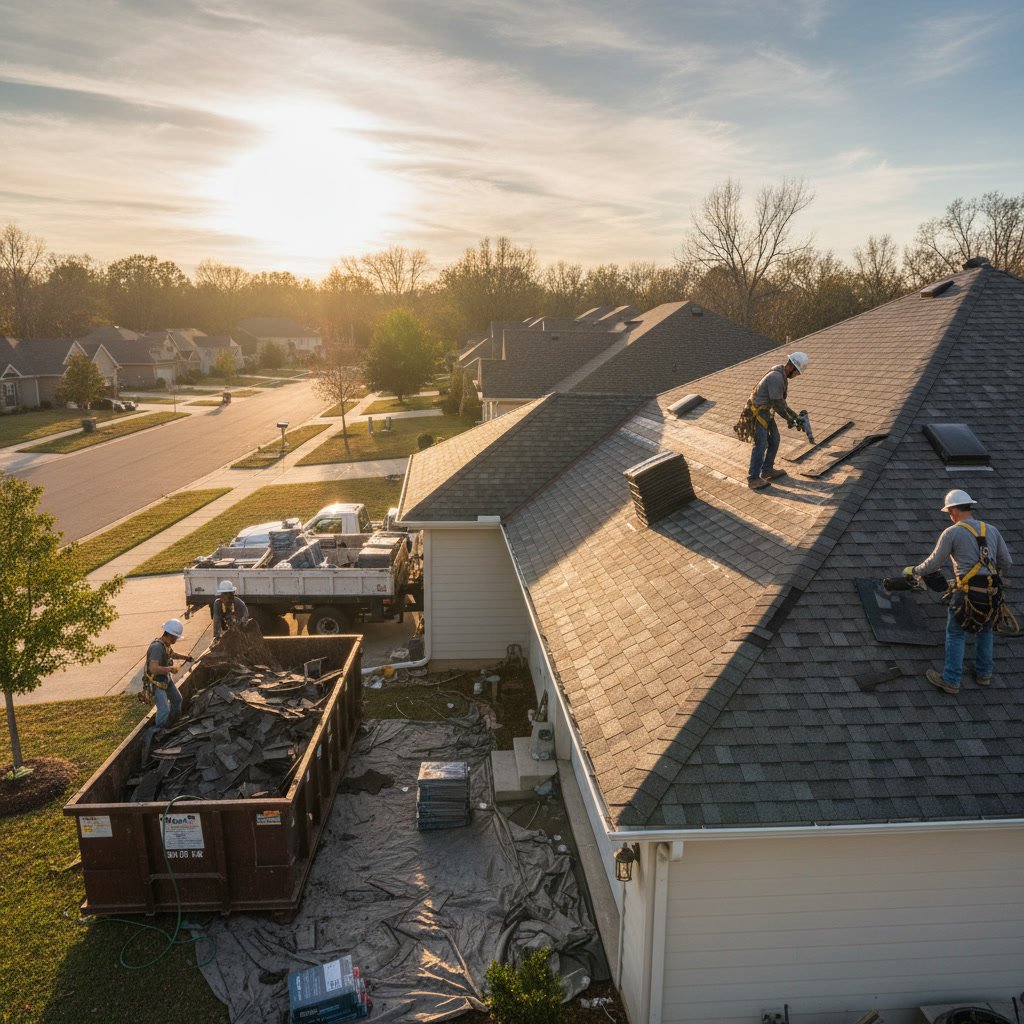
Sometimes the question isn’t whether to repair but whether repair makes sense compared to replacement. If your roof is approaching 20 years old, has widespread damage, or requires frequent repairs, replacement might be the smarter investment. Understanding when your roof needs repair versus full replacement helps you make the right financial decision for your situation.
The Value of Professional Roof Maintenance Services
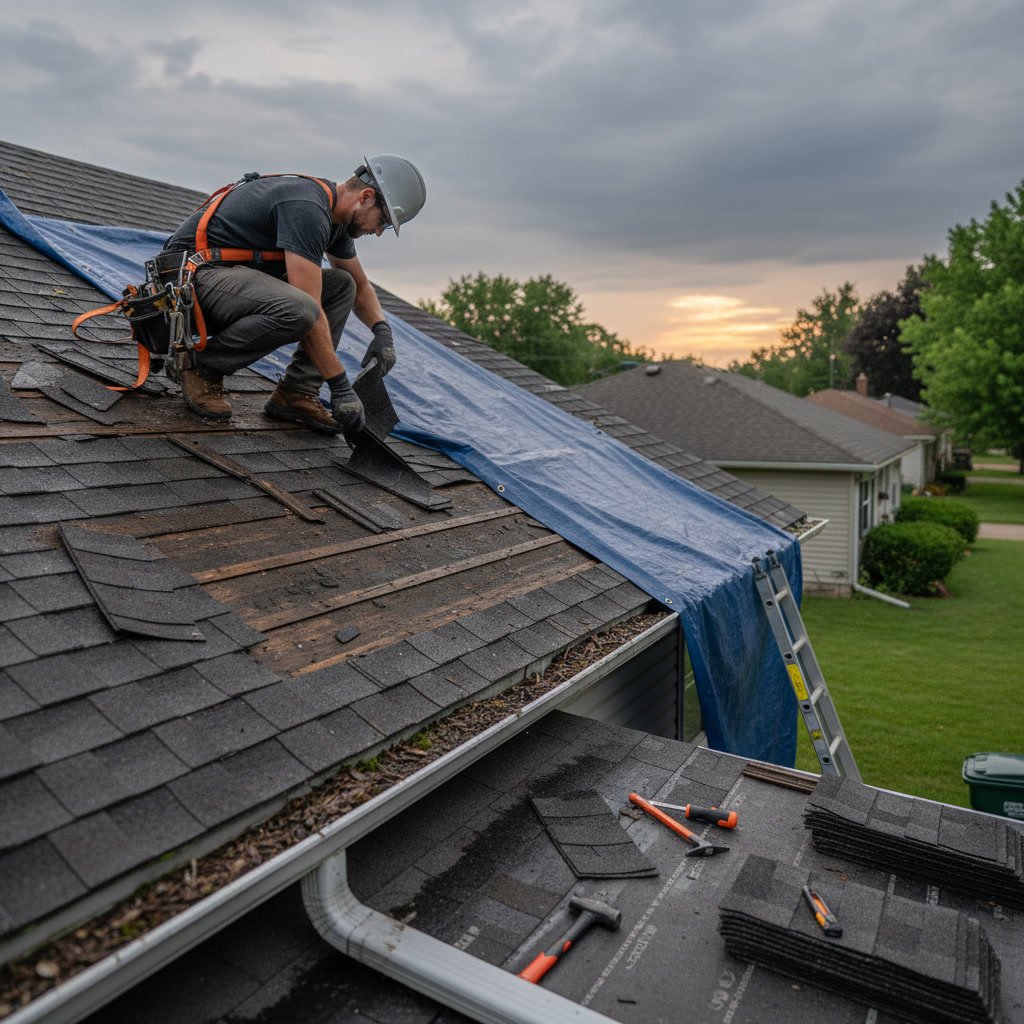
While homeowners can handle basic maintenance tasks, professional roof maintenance programs offer significant advantages. Professional services include thorough inspections that identify problems you’d miss, minor repairs completed during maintenance visits before they become major issues, detailed documentation of your roof’s condition, and priority service when you need emergency repairs.
For commercial properties especially, regular professional maintenance protects business operations and maintains property value. Commercial roofs often use different materials and configurations than residential roofs and require specialized knowledge. Professional commercial roofing maintenance prevents the business disruptions and liability issues that come with unexpected roof failures.
The cost of regular professional maintenance is modest compared to major repairs and premature replacement. Most maintenance programs pay for themselves by extending roof life and preventing emergency service calls.
Frequently Asked Questions
How often should I have my roof inspected in Dayton?
Have your roof professionally inspected every two to three years under normal conditions. Schedule additional inspections after severe weather events including high winds, hail storms, or heavy snow. If your roof is over 15 years old, annual inspections help catch age-related issues early.
Can I walk on my roof to do maintenance?
Walking on your roof is dangerous and can damage shingles if done improperly. Most maintenance tasks can be completed from the ground using binoculars or from a stable ladder at the roof edge. Leave tasks requiring roof access to professionals who have proper safety equipment and training.
What are the signs my roof needs immediate repair?
Contact a roofer immediately if you see water stains on ceilings or walls, missing or badly damaged shingles, sagging roof sections, daylight through the roof deck, or active leaks during rain. These issues worsen quickly and cause extensive damage if ignored.
How much does roof maintenance cost in Dayton?
Basic maintenance tasks like gutter cleaning cost between 150 and 300 dollars. Professional roof inspections typically run 200 to 400 dollars. Comprehensive maintenance programs that include regular inspections, minor repairs, and cleaning range from 400 to 800 dollars annually depending on roof size and condition.
Does homeowner insurance cover roof maintenance?
Standard homeowner insurance covers sudden damage from storms or accidents but does not cover routine maintenance or gradual wear. However, maintaining documentation of regular maintenance can support insurance claims by proving you properly cared for your roof when covered damage occurs.
Protect Your Investment With Consistent Care
Your roof represents one of your home’s largest investments and its primary defense against weather. Regular roof maintenance Dayton homeowners practice saves thousands in repair costs, extends roof life by years, and protects everything underneath from water damage. The seasonal inspection and maintenance schedule outlined here gives you a practical roadmap for keeping your roof in top condition.
Whether you’re ready to schedule a professional inspection, need maintenance guidance, or want to discuss your roof’s condition, Eco Roofing serves homeowners and businesses throughout Dayton and the surrounding communities. Our experienced team provides thorough inspections, honest assessments, and quality workmanship on every project. Reach out today at +19378301004 or visit our contact page to schedule your roof evaluation and take the first step toward protecting your property for years to come.